blunt spikerush Care (Eleocharis obtusa)

Also known as: blunt spikesedge
blunt spikerush

About blunt spikerush

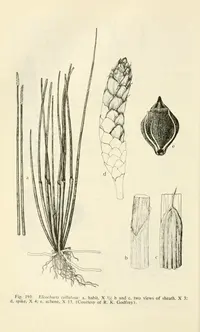
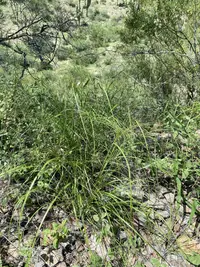
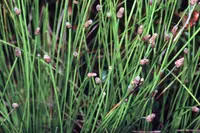
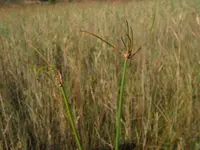
Blunt spikerush, Eleocharis obtusa, is a small, clump-forming sedge commonly found along pond edges, ditches, and wet meadows. It forms soft, tufted green stems with blunt tips and a fine, grassy look.

This species is native to much of North America and often appears in shallow water or saturated soils, where it helps stabilize muddy banks. It is generally easy to grow if consistent moisture is available and competition from larger plants is limited.

Gardeners who want to care for blunt spikerush should provide wet or boggy soil, full sun to light shade, and space for its slow, spreading habit.

Main Plant Requirements

Care Difficulty

Moderate Care

Light Preference

Full Sun

Water Requirements

Aquatic

Temperature Preference

Cold Hardy

Hardiness Zone

3–10

Soil Texture

Sandy, Loamy, Organic-rich

Soil pH

Acidic (5.5–6.5), Slightly acidic (6.5–7.0)

Soil Drainage

Waterlogged tolerant

Fertilization

Minimal (feed rarely)

Get Personalized Care Plan

Scan your plant to receive care tips personalized for your specific plant

Available on iOS and Android

How to Care for the blunt spikerush

This wetland sedge prefers bright exposure with consistent moisture at the roots.

  • Provide 6–8 hours of sun daily, with at least 3–4 hours of direct morning sun; light afternoon shade helps prevent leaf tips from drying.
  • Blunt spikerush tolerates partial shade (around 3–4 hours direct sun) but may grow looser and less dense in shadier sites.
  • In hot summers, protect from intense afternoon sun using taller plants or dappled tree shade, especially in shallow or drying water margins.

This species is adapted to marshy, saturated conditions and does best with constant moisture.

  • Maintain soil or substrate consistently wet; standing water from 2–10 cm deep suits Eleocharis obtusa in naturalistic or pond-edge settings.
  • Avoid letting the top 1–2 cm of soil dry out; wilting or browning tips indicate underwatering, while sour odor or slimy bases suggest waterlogged anaerobic conditions.
  • In cooler seasons, moisture demand drops but the root zone should remain saturated; do not allow complete drying, even during dormancy.

This cool- to warm-temperate sedge tolerates a wide range of outdoor conditions.

  • Optimal growth occurs around 65–80°F (18–27°C), especially in late spring and early summer when water and soil temperatures warm.
  • The plant survives down to about 20°F (-6°C) if crowns are insulated by water or mulch, though aboveground shoots often die back and re-sprout in spring.
  • Heat tolerance is good up to about 90–95°F (32–35°C) if roots stay submerged or saturated; high heat combined with drying soil increases stress and dieback.

This wetland sedge needs very high humidity and constant atmospheric moisture to thrive.

  • Target 70–90% humidity, matching its natural marsh habitat for stable growth.
  • Plants tolerate brief dips to 50–60% but suffer in prolonged dry indoor air, especially with heating or air conditioning.
  • Low humidity stress shows as browning tips and thinning clumps; group pots, use trays of water, or place near humid areas when caring for blunt spikerush.

This species prefers permanently wet, fine-textured, organic-rich substrates rather than typical potting mixes.

  • Use a heavy loam or clay loam with high organic matter, such as garden topsoil mixed 50–70% with compost.
  • Aim for slow-draining, water-retentive soil that can stay saturated without turning anaerobic, avoiding coarse sandy mixes that dry quickly.
  • Maintain pH roughly 6.0–7.5; slightly acidic to neutral conditions support root function and nutrient availability for Eleocharis obtusa.
  • In containers, tamp soil firmly and avoid large air pockets so water can stand above the surface without rapidly draining away.

This species is suitable for container growing when the container can maintain standing water and heavy, saturated substrate.

  • Select a deep, sturdy container that can safely hold a tall water column without bowing or tipping in wind.
  • If using a pot with drainage holes, place it inside a watertight outer cachepot or basin to keep water above the soil line.
  • Choose non-porous materials like plastic or glazed ceramic so water loss through the pot walls does not reduce the consistently flooded conditions.

This wetland sedge has low nutrient needs but responds well to light feeding in controlled plantings, including blunt spikerush indoor care.

  • Use a balanced, water-soluble fertilizer (for example 10-10-10) at 1/4–1/2 strength for container or pond-basket plants.
  • Feed lightly every 4–6 weeks during the active growing season in spring and summer.
  • Avoid fertilizing naturalized plants in nutrient-rich soils to reduce the risk of excessive, floppy growth.
  • Stop feeding in late fall and winter when growth slows or plants go dormant.

Pruning Eleocharis obtusa focuses on cleanliness and maintaining dense, fresh clumps rather than shaping.

  • Cut back dead, yellowed, or damaged stems at the base using clean scissors or hand shears.
  • Thin out congested interior shoots in late winter or early spring to improve light and air movement.
  • Shear back older clumps by 1/3–1/2 before new growth emerges to refresh appearance.
  • Disinfect tools before and after use to limit potential disease spread in wet sites.

In cultivation, this sedge is more often divided and transplanted in wet beds or pond margins than repotted indoors.

  • Look for crowded clumps, slow growth, or roots filling and circling a pond basket as cues to move or divide.
  • Transplant or shift containers in early spring or early fall when temperatures are mild and soil is workable.
  • Plan on dividing or refreshing planting zones every 2–3 years to maintain vigor and dense cover.
  • Water thoroughly before and after moving, keep roots constantly moist, and disturb the root mass as little as practical.

Propagation of Eleocharis obtusa is straightforward and usually done by division or seed in wet conditions.

  • Divide mature clumps in early spring, separating sections with healthy roots and several shoots each.
  • Replant divisions immediately into saturated soil or shallow water, keeping crowns just at or above the substrate surface.
  • Sow fresh seed onto wet, fine-textured soil in trays or shallow pools and do not cover heavily.
  • Maintain constant moisture, moderate light, and stable temperatures around 60–75°F for reliable establishment.

This species is generally cold hardy in much of its range and often needs minimal winter attention in outdoor wetlands.

  • In cold climates, allow above-ground growth to brown naturally; it can help insulate the crown.
  • Apply a thin mulch layer around the root zone in poorly insulated containers or marginal beds in late fall.
  • For container-grown plants in very cold regions, sink pots into the ground or move them to a cold, frost-free shelter while keeping the substrate moist.

Care Tips

Shallow Water Setup

Use a wide, shallow tray or pond basket submerged in 2–8 cm of water to keep the root zone constantly wet while preventing the culms from being fully underwater for long periods.

Clay or Loam Anchor

Plant into a heavy clay or loam layer at the bottom of the container or pond edge so the fine roots anchor firmly and the plant resists floating or being dislodged by moving water.

Controlled Spread Management

Confine plants to baskets or sunken nursery pots in lined ponds or rain gardens to contain rhizome spread and make it easier to thin and rejuvenate clumps every 1–2 years.

Nutrient Pulse Timing

If growth slows mid-season, insert 1 slow-release aquatic fertilizer tablet into the soil zone at the start of warm weather rather than top-dressing, which can leach nutrients quickly into open water.

Sediment and Algae Control

Periodically siphon off excess organic sludge and shade the water surface lightly with other emergent plants so that growing blunt spikerush is not overwhelmed by filamentous algae or anaerobic, sulfur-smelling muck.

Common Pests and Diseases

Aquatic aphids

This pest feeds on soft green shoots and can cluster on emergent stems above the water surface, sucking sap and weakening new growth.

Solution

Rinse infested stems with a strong but controlled stream of water and remove heavily infested shoots; in ponds, encourage natural predators such as lady beetles and lacewings, or spot-treat above-water stems with an insecticidal soap labeled for aquatic-edge use, keeping spray drift away from open water and fish.

Spider mites

These insects thrive on Eleocharis clumps grown in warm, dry conditions or containers, causing fine speckling, bronzing, and webbing on emergent foliage.

Solution

Increase ambient humidity around container plants, regularly hose down foliage (including undersides) to dislodge mites, and use a miticide or insecticidal soap suitable for ornamental grasses if populations remain high, repeating treatments according to label directions to break their life cycle.

Leaf spot fungi

This disease appears as small brown to dark olive spots on culms and leaves, which can merge into larger lesions and cause premature browning or thinning of the stand, particularly in dense or nutrient-enriched water.

Solution

Thin crowded clumps to improve water and air movement, remove and dispose of heavily spotted foliage, avoid overhead irrigation on container-grown plants, and, in valuable plantings, apply a broad-spectrum fungicide labeled for ornamental grasses if spots continue to expand despite cultural corrections.

Algal overgrowth

Symptoms include yellowing or smothering of the lower stems and crowns when filamentous algae mat over the plant in shallow, nutrient-rich, slow-moving water.

Solution

Reduce nutrient input to the water (for example from fish feed or runoff), manually remove algal mats from stems, and, where permitted, use pond-safe algaecides or introduce shading and additional competing plants to lower light and nutrient availability for algae, which indirectly supports healthier Eleocharis obtusa plant care.

Interesting Facts

Short-lived annual sedge

This species is an annual wetland sedge that completes its entire life cycle in a single growing season, rapidly germinating, flowering, and setting seed as shallow water levels fluctuate.

Mudflat pioneer species

Blunt spikerush often colonizes freshly exposed mudflats and shallow drawdown zones in ponds and wetlands, helping stabilize soft sediments and providing structure for other aquatic and semi-aquatic plants to establish.

Specialized seed dormancy

Its small achenes (dry fruits containing a single seed) can remain dormant in wetland seed banks and germinate only when water levels, temperature, and light conditions align, allowing populations to reappear after years of absence when habitat conditions improve.

Botan icon

Did you know?

Blunt spikerush is frequently used as a reference or indicator species in wetland vegetation classification and restoration studies across North America, because its presence and abundance help scientists interpret hydrologic conditions such as the timing and duration of shallow flooding and drawdown.

FAQs about blunt spikerush

Growth is moderate. In a single growing season, clumps usually reach 20–60 cm tall if moisture and nutrients are adequate. It spreads from short rhizomes and self-seeding, gradually filling shallow, consistently wet areas.

Grow Healthy Plants with Botan Care

Keep your plants happy and healthy with plant identification, disease detection, and easy care guidance.

Botan plant care app — identify plants on mobile

Explore More Plants