marsh blue violet Care (Viola cucullata)

marsh blue violet

About marsh blue violet

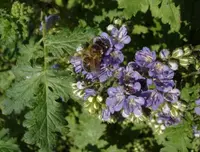
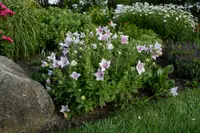
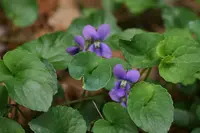
Marsh blue violet (Viola cucullata) is a small, herbaceous perennial wildflower often found in moist meadows, bogs, and along stream edges. It forms low clumps of heart-shaped leaves with slender stems. Each stem carries a single blue to violet flower, usually with a pale center and darker lines that guide pollinators. Plants spread gradually by short rhizomes, creating loose patches rather than tight groundcover. This species prefers consistently moist, rich soil and partial sun to light shade, so it suits rain gardens and damp, low-lying spots. In suitable conditions, it is a relatively easy native species to grow and care for marsh blue violet.

Main Plant Requirements

Care Difficulty

Easy Care

Light Preference

Partial Shade

Water Requirements

Keep Soil Moist

Temperature Preference

Cold Hardy

Hardiness Zone

3–8

Soil Texture

Loamy, Silty, Organic-rich

Soil pH

Acidic (5.5–6.5), Slightly acidic (6.5–7.0)

Soil Drainage

Moist but well-drained

Fertilization

Minimal (feed rarely)

Get Personalized Care Plan

Scan your plant to receive care tips personalized for your specific plant

Available on iOS and Android

How to Care for the marsh blue violet

Viola cucullata prefers consistently moist, bright woodland-style light rather than harsh, open exposure.

  • Provide 3–5 hours of gentle morning sun with dappled or filtered light the rest of the day, especially in spring and early summer.
  • In hot summers, protect marsh blue violet from strong midday and afternoon sun to prevent leaf scorch and soil from drying too quickly.
  • In partial shade (bright, open shade or high tree canopy), plants flower well; in deep shade, expect fewer blooms and more leggy growth.

This species naturally grows in wet meadows and stream edges, so soil moisture is critical for healthy growth.

  • Aim for consistently moist soil; in garden beds, the top 1–2 cm should rarely dry completely, especially during active spring growth.
  • Use humus-rich, well-drained but moisture-retentive soil; poor drainage causes yellowing leaves, limp growth, and possible root rot in Viola cucullata.
  • In hot, dry periods, increase watering when leaves start to droop slightly; in cool or rainy seasons, reduce added water to avoid saturated, foul-smelling soil.

This cool-temperate perennial is hardy and tolerates a wide range of outdoor temperatures.

  • Optimal growth occurs around 55–70°F (13–21°C), especially in spring and early summer when flowering and leaf expansion are most active.
  • Plants tolerate winter lows near 0°F (-18°C) under mulch or snow cover, but repeated freeze–thaw cycles without insulation can damage crowns.
  • During hot spells above 85°F (29°C), provide extra shade and moisture; sustained heat stress may reduce flowering and cause early summer dormancy in some plants.

This species prefers consistently moist air but usually adapts to typical outdoor humidity levels.

  • Target 50–70% humidity, similar to naturally damp meadows and stream edges where marsh blue violet grows.
  • Plants tolerate short spells of drier air if soil moisture is kept even, but prolonged very dry air can cause leaf edges to brown and curl.
  • Increase humidity outdoors by planting near water features or mulched beds, and in pots by grouping plants and using deep saucers filled with pebbles and water (without submerging the pot base).

Viola cucullata thrives in moist, fine-textured soil that stays damp yet lightly aerated.

  • Use a loamy, organic-rich mix with fine texture, such as garden loam blended with leaf mold or compost to mimic wet meadow soils.
  • Ensure slow but steady drainage; soil should drain within a few hours yet remain evenly moist, never waterlogged for days.
  • Aim for slightly acidic to neutral pH, roughly 5.5–7.0, which supports nutrient availability and healthy root growth.
  • Improve aeration in heavy clay by incorporating 20–30% compost plus fine bark or leaf mold, while avoiding coarse sand that can create dense, brick-like soil.

This violet adapts well to container growing when moisture and drainage are carefully balanced.

  • Choose a relatively wide, shallow pot that allows surface-spreading roots and runners to colonize the top layer of the mix.
  • Select a heavier material like ceramic if containers sit outdoors, which helps stabilize the plant against wind while moderating moisture loss.
  • Use a potting mix that drains within hours but retains surface moisture, and avoid dark, thin plastic pots that overheat and dry the root zone quickly.

Viola cucullata benefits from light feeding but often grows acceptably in rich, undisturbed garden or woodland soil.

  • Use a balanced, dilute liquid fertilizer (such as 10-10-10 at 1/4 strength) every 4–6 weeks in spring–early summer when marsh blue violet is actively growing.
  • In poor soils, work a thin layer of fine compost into the surface in early spring to support foliage and flowering.
  • Avoid heavy or high-nitrogen feeding, which causes soft, leafy growth with fewer flowers.
  • Stop fertilizing by late summer and do not feed in winter dormancy.

Viola cucullata needs only light pruning to stay tidy and support healthy flowering.

  • In late spring or after the main bloom, shear or pinch off spent flower stalks to encourage a neater clump and potential rebloom.
  • Remove yellowing, damaged, or diseased leaves at any time using clean, sharp scissors or small snips.
  • Thin out congested clumps by removing a few crowded rosettes to improve air flow and reduce foliar disease risk.

This species is most often grown in the ground, so care focuses on occasional transplanting or dividing crowded clumps.

  • Transplant or divide early spring or early fall, when weather is cool and soil is moist, to reduce stress on Viola cucullata.
  • Look for slow growth, small leaves, or dense matting as signs clumps would benefit from lifting and dividing every 3–5 years.
  • Dig around the clump, lift with a soil ball, and gently tease roots apart rather than breaking them abruptly.
  • Replant divisions at the same depth, firm soil lightly, and water thoroughly for 1–2 weeks to help roots re-establish.

Viola cucullata is commonly propagated by division or seed to expand patches in suitable moist habitats.

  • Divide mature clumps in early spring or early fall, keeping several leaves and healthy roots on each section.
  • Sow fresh seed outdoors in fall; natural winter chilling improves germination the following spring.
  • For indoor seed starting, provide 4–6 weeks of cold stratification at 35–40°F, then germinate in bright, cool conditions.
  • Keep soil consistently moist but not waterlogged during rooting or seedling establishment to avoid damping-off disease.

This violet is cold hardy across much of its native range and usually needs minimal winter care in the ground.

  • Tolerates freezing temperatures once established; foliage dies back, but underground parts overwinter safely.
  • Apply a light 3–5 cm mulch of leaves or compost after soil cools to buffer freeze–thaw cycles around the root zone.
  • Move container-grown plants into a sheltered, unheated area where soil stays just above freezing and does not dry out completely.

Care Tips

Spring division timing

Divide established clumps in early spring just as new growth appears, replanting divisions immediately at the same depth to maintain vigor and gradually expand your patch.

Use shallow edging

Install a low, open-ended edging strip (2–4 in high) around beds to keep rhizomes contained while still allowing natural spread into designated areas only.

Leaf mulch management

Apply a thin layer of shredded leaf mulch in fall, then pull it back slightly in early spring so emerging rosettes are not smothered but the soil still stays cool and moist.

Seedling thinning

Let self-sown seedlings establish for a season, then thin or transplant extras on a cool, cloudy day so remaining plants have enough light, airflow, and root space.

Moisture monitoring zones

In partly shaded sites, place small marker stakes where soil dries fastest and check those spots first, adjusting watering or mulch there as a targeted strategy for caring for marsh blue violet.

Common Pests and Diseases

Slugs and snails

This pest feeds on tender leaves and flowers, leaving irregular holes and ragged edges, especially in damp, shaded sites where marsh blue violet naturally grows.

Solution

Hand-pick slugs and snails in the evening, use beer traps or iron phosphate pellets, and reduce hiding places such as dense debris or boards on the soil surface while keeping soil evenly moist but not waterlogged.

Violet sawfly larvae

These insects skeletonize leaves, leaving only veins and thin tissue, and can quickly defoliate clumps in moist woodland or boggy plantings.

Solution

Inspect foliage regularly, crush or remove larvae by hand, and if damage is extensive, use a labeled biological insecticide containing spinosad, applying in the evening to minimize impact on pollinators.

Violet gall midge

This pest causes distorted, thickened, or blistered young leaves and flower stalks as larvae feed inside plant tissues, often in consistently moist, wild-type stands of violets.

Solution

Remove and discard distorted leaves and buds as soon as noticed, avoid overhead watering that keeps foliage wet, and encourage good air movement to make conditions less favorable for the midge.

Powdery mildew

This disease appears as white, powdery patches on upper leaf surfaces, which can lead to yellowing and premature leaf drop during warm, humid periods.

Solution

Space plants to improve airflow, remove heavily infected leaves, avoid overhead watering, and if needed apply a labeled fungicide such as sulfur or potassium bicarbonate at the first sign of symptoms as part of Viola cucullata plant care.

Leaf spot

This disease causes small water-soaked spots that turn brown or purple with a distinct margin, sometimes merging into larger dead areas on older leaves in wet weather.

Solution

Promptly remove and discard spotted leaves, water at soil level rather than over the foliage, keep plant debris cleaned up around clumps, and in severe recurring cases use a labeled broad-spectrum fungicide early in the season.

Interesting Facts

Specialized wetland habitat

This species is strongly associated with acidic to neutral wet meadows, marsh edges, and wet woodland depressions in eastern North America, making it an indicator of relatively undisturbed, seasonally saturated soils.

Ant-assisted seed dispersal

Its seeds bear small, nutrient-rich appendages called elaiosomes that attract ants, which carry the seeds back to their nests and help spread the plant across the moist forest floor.

Cleistogamous self-pollination

In addition to showy spring flowers, it produces later-season cleistogamous flowers that never open, ensuring self-pollination and reliable seed set under less favorable pollinator or weather conditions.

Botan icon

Did you know?

Marsh blue violet serves as a larval host plant for several fritillary butterfly species in eastern North America, providing the only suitable food for their caterpillars during early development in some habitats.

FAQs about marsh blue violet

This species spreads gradually by short rhizomes and self-seeding. In moist, suitable conditions it can form broad patches over time, but it is usually manageable with edging, weeding of seedlings, or lifting excess clumps.

Grow Healthy Plants with Botan Care

Keep your plants happy and healthy with plant identification, disease detection, and easy care guidance.

Botan plant care app — identify plants on mobile

Explore More Plants