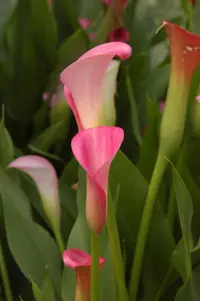
Balloon Flower Care (Platycodon grandiflorus 'Astra Pink')

Also known as: Chinese Bellflower, Japanese Bellflower

About Balloon Flower

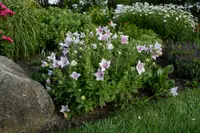
Platycodon grandiflorus 'Astra Pink' is a compact herbaceous perennial known for its balloon-like buds that open into soft pink, star-shaped flowers. It forms neat, low mounds, making it suitable for borders, rock gardens, and containers.

This cultivar originates from species native to East Asia, where it grows in open meadows and sunny hillsides. It is valued for its long flowering period, tidy habit, and good cold tolerance.

The plant is generally considered easy to grow, as long as it has full sun to light shade, moderately moist but well-drained soil, and protection from waterlogging. Understanding how to care for Balloon Flower helps it stay compact, healthy, and floriferous over many seasons.

Main Plant Requirements

Care Difficulty

Easy Care

Light Preference

Full Sun

Water Requirements

Moderate Water

Temperature Preference

Cold Hardy

Hardiness Zone

3–8

Soil Texture

Sandy, Loamy

Soil pH

Acidic (5.5–6.5), Slightly acidic (6.5–7.0)

Soil Drainage

Well-drained

Fertilization

Minimal (feed rarely)

Get Personalized Care Plan

Scan your plant to receive care tips personalized for your specific plant

Available on iOS and Android

How to Care for the Balloon Flower

This compact perennial prefers bright outdoor conditions with protection from harsh extremes.

  • Provide 4–6 hours of direct morning sun with light afternoon shade; in hotter regions, give filtered light after 1–2 p.m.
  • It tolerates light partial shade, but dense shade leads to weak, leggy growth and reduced flowering in Balloon Flower.
  • In cooler climates, full sun all day is acceptable if soil stays evenly moist; watch for leaf scorch during summer heat waves.

This plant prefers evenly moist, well-drained soil rather than frequent shallow watering.

  • Water when the top 3–5 cm of soil feels dry, soaking the root zone deeply and allowing excess to drain away.
  • During spring and flowering, monitor soil more often; reduce frequency in cool, rainy periods and once growth slows in late fall.
  • Yellowing, soft stems or constant wet soil suggest overwatering, while drooping, crisp leaves and dry, shrinking soil indicate Platycodon grandiflorus 'Astra Pink' is too dry.

This hardy perennial tolerates a wide temperature range once established in the garden.

  • Active growth is best at 65–80°F (18–27°C), with strong flowering when days are warm and nights slightly cooler.
  • Mature plants winter outdoors in many regions, surviving down to about -20°F (-29°C) when soil is well-drained and roots are mulched.
  • Short heat waves to 90–95°F (32–35°C) are tolerated if soil moisture is stable, but prolonged extreme heat or sudden late frosts can damage new shoots.

This plant handles typical indoor humidity and does not need special moisture in the air.

  • Aim for 30–60% humidity; most heated or air-conditioned homes stay in this range.
  • Tolerates dry air well; slight browning at leaf tips can indicate very low humidity combined with underwatering.
  • If air is extremely dry, group pots together or place the container on a pebble tray with water below the pot base.

Provide a loose, well-aerated mineral-based substrate that drains quickly yet retains some moisture.

  • Use a mix of roughly 50–60% loam or standard potting mix, 20–30% coarse sand, and 10–20% perlite to keep the structure open.
  • Aim for slightly acidic to neutral pH around 6.0–7.0 for balanced nutrient uptake and root function.
  • Improve drainage and aeration by avoiding fine peat-only mixes that compact and instead incorporating coarse particles such as grit or small bark chips.
  • Avoid heavy clay, waterlogged spots, or areas where meltwater and rain collect, as Platycodon grandiflorus 'Astra Pink' is prone to root rot in saturated substrates.

This species is well-suited to container growing outdoors when given stable, well-drained conditions.

  • Choose a pot at least 25–30 cm deep to accommodate the fleshy taproot and reduce tipping as stems elongate.
  • Select a heavier material such as ceramic or clay in windy sites to stabilize the plant’s upright flowering stems.
  • Elevate the container slightly on pot feet or bricks so drainage holes stay clear and excess water exits quickly after rain or watering.

This compact perennial benefits from modest, well-timed feeding rather than heavy fertilization.

  • Use a balanced, slow-release fertilizer (around 10-10-10) or a light top-dressing of compost in early spring as new growth starts.
  • Feed every 6–8 weeks during the main growing season if soil is poor, skipping doses in rich garden beds.
  • Apply at half the label strength for container-grown Balloon Flower, ensuring pre-watered soil to avoid root burn.
  • Stop feeding in late summer so growth can harden off, and do not fertilize during winter dormancy.

Thoughtful pruning keeps Platycodon grandiflorus 'Astra Pink' compact and encourages more blooms.

  • Deadhead spent flowers through summer by cutting just above a leaf node to extend blooming.
  • In late fall or very early spring, remove dead, broken, or weak stems at ground level with clean snips.
  • Lightly trim leggy or flopping shoots to maintain a tidy mound without cutting into thick crown tissue.
  • Disinfect pruning tools before and after use to lower the risk of transmitting fungal or bacterial disease.

This perennial dislikes frequent disturbance, so transplant or repot only when clearly needed.

  • Look for roots circling the pot drainage holes, soil drying very fast, or noticeably reduced growth as signs it needs more space.
  • Plan transplanting or repotting for early spring or early fall, when temperatures are mild and stress is lower.
  • For containers, move up just 1 pot size, keeping the root ball intact and using a free-draining mix to limit shock.
  • Water thoroughly after planting, then keep soil evenly moist and shaded for 3–5 days to help roots re-establish.

Multiplying this cultivar is possible but somewhat limited by its deep taproot and dislike of disturbance.

  • Sow seeds indoors in late winter at 65–70°F using a fine, well-drained mix and very light seed coverage, since light aids germination.
  • Maintain steady moisture, not saturation, and provide bright indirect light; seedlings usually emerge in 2–4 weeks.
  • Division is risky; if attempted in early spring, split only large, established clumps and keep divisions as large as possible.
  • Plant young starts in final positions early, since mature roots respond poorly to repeated lifting or shifting.

This hardy perennial usually needs minimal winter care in most temperate climates.

  • Once frost blackens the foliage, cut stems back to a few cm above soil level to reduce disease carryover.
  • Apply a 5–7 cm layer of mulch over the root zone in late fall, keeping it slightly away from the crown.
  • For container plants in colder zones, move pots into an unheated garage or sheltered spot where soil stays just above freezing.

Care Tips

Pinch Young Stems

Pinch out the soft tips of young shoots once or twice in late spring to encourage a bushier plant with more flowering stems instead of a few tall, floppy ones.

Discreet Plant Support

In windy or exposed spots, insert low, ring-style supports or small, green stakes around the clump early in the season so stems can grow through them and stay upright without looking tied up later.

Deadhead With Care

After flowers fade, cut spent blooms just above a leaf node while leaving most foliage intact, which tidies the plant and can extend the blooming period without stressing the root system.

Late-Season Marking

Mark the clump with a durable label or discreet stake before foliage dies back in fall so you avoid disturbing the deep, brittle roots when planting or digging nearby the following spring.

Container Root Management

In containers, gently lift and root-prune the plant every 2–3 years in early spring, trimming back the outer 2–3 cm of the root ball and repotting in fresh mix to keep growth compact and flowering reliable when caring for Balloon Flower.

Common Pests and Diseases

Aphids

This pest feeds on tender stems and flower buds, sucking sap and causing distortion, sticky honeydew, and reduced flowering. Symptoms include curling growth and clusters of soft-bodied insects on new shoots or undersides of leaves.

Solution

Spray plants with a firm stream of water to dislodge colonies, then treat remaining aphids with insecticidal soap or a neem oil solution, ensuring full coverage of buds and shoot tips. Encourage natural predators such as lady beetles and avoid overfertilizing with high-nitrogen products, which promotes soft growth attractive to aphids.

Spider mites

These insects are tiny sap feeders that thrive in hot, dry weather and can cause stippled, dull leaves and fine webbing on foliage. Symptoms include bronzing or speckling on upper leaf surfaces and premature leaf drop in severe cases.

Solution

Increase humidity around the plant and regularly hose down foliage, especially the undersides of leaves, to physically remove mites. If populations persist, apply insecticidal soap or horticultural oil at labeled intervals, and reduce heat or drought stress through even watering and light mulching.

Leaf spots

This disease is often fungal and appears as small brown or tan lesions on leaves, sometimes with purple margins, leading to premature yellowing and drop. Symptoms include scattered spots that may coalesce in wet, crowded conditions.

Solution

Remove and discard affected leaves and plant debris to reduce spore sources, and water at the soil level instead of overhead to keep foliage dry. Improve spacing and airflow, and in persistent or severe cases apply a labeled ornamental fungicide preventively at the start of warm, wet periods as part of general Platycodon grandiflorus 'Astra Pink' care instructions.

Powdery mildew

This disease causes a white, powdery growth on upper leaf surfaces, stems, and sometimes flower buds, especially in humid, stagnant air. Symptoms include distorted leaves and reduced flowering if left unmanaged.

Solution

Increase air circulation by thinning nearby plants and avoid overhead watering in the evening. Remove heavily infected leaves and, if needed, apply a sulfur or potassium bicarbonate-based fungicide early in the infection period, following label directions and monitoring new growth for reinfection.

Slugs and snails

This pest feeds on young foliage and tender shoots, leaving irregular holes and ragged leaf edges, especially in damp, shaded beds. Symptoms include slime trails on soil or leaves and damage concentrated on low, soft tissue.

Solution

Hand-pick slugs and snails in the evening or early morning, and use barriers such as copper tape or rough mulch to deter movement. Deploy iron phosphate bait products around vulnerable plants and reduce hiding spots by keeping mulch thin and debris away from crowns.

Interesting Facts

Stable soft pink color

Unlike many older balloon flower selections that shift toward blue-lavender as flowers age, the 'Astra Pink' cultivar maintains a relatively consistent pale pink tone from bud inflation through petal opening, due to its specific anthocyanin pigment profile and breeding selection.

Compact dwarf habit

This cultivar was bred to stay much shorter and bushier than typical Platycodon grandiflorus, forming a dense mound that usually remains under about 20–25 cm, which makes it suitable for small containers and front-of-border planting without staking.

Bud balloon effect

The pale buds of 'Astra Pink' show the characteristic balloon-like swelling of Platycodon before opening, but the lighter petal color and compact growth make the inflated buds especially conspicuous and ornamental on small patio pots and edging plantings.

Botan icon

Did you know?

The Astra series, including 'Astra Pink', was developed through targeted breeding to produce uniform, early-flowering plants that can be grown from seed and still bloom reliably in their first season, which is unusual stability for a compact, named balloon flower cultivar.

FAQs about Balloon Flower

This species forms clumps and can slowly widen at the base, but it is not aggressive. It spreads mainly by short rhizomes and self-sowing. Unwanted seedlings are easy to pull, so it stays manageable in most gardens.

Grow Healthy Plants with Botan Care

Keep your plants happy and healthy with plant identification, disease detection, and easy care guidance.

Botan plant care app — identify plants on mobile

Explore More Plants