Joshua tree Care (Yucca brevifolia)

Also known as: Tree Yucca, Palm Tree Yucca, Yucca Palm

About Joshua tree

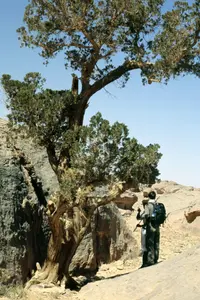
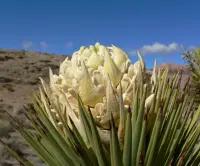
The Joshua tree, Yucca brevifolia, is a large, long-lived yucca native to the Mojave Desert of the southwestern United States. It is a woody, tree-like succulent with a thick trunk, irregular branching, and dense clusters of stiff, dagger-shaped leaves at the tips. In nature it grows in open, dry desert plains and rocky slopes, often forming striking, sparse woodlands. Its slow growth, need for intense light, and sensitivity to excess moisture make it challenging outside arid climates. For those who want to care for Joshua tree at home, it generally prefers very bright light, fast-draining soil, and minimal watering.

Main Plant Requirements

Care Difficulty

Hard Care

Light Preference

Full Sun

Water Requirements

Low Water

Temperature Preference

Warm Climate

Hardiness Zone

6–10

Soil Texture

Sandy, Rocky, Loamy

Soil pH

Neutral (7.0), Slightly alkaline (7.0–7.5)

Soil Drainage

Well-drained

Fertilization

Minimal (feed rarely)

Get Personalized Care Plan

Scan your plant to receive care tips personalized for your specific plant

Available on iOS and Android

How to Care for the Joshua tree

This desert species prefers strong, direct sun that mimics open Mojave habitats.

  • Provide 8–10 hours of full sun daily; an open south- or west-facing exposure suits Joshua tree best in most climates.
  • Tolerates light partial shade, especially in late afternoon, but dense shade leads to weak, stretched growth and sparse branching over time.
  • In cooler seasons, full sun is ideal; in very hot regions, young plants benefit from light afternoon shade to reduce leaf scorch and water stress.

This arid-adapted plant is highly drought-tolerant and must dry thoroughly between waterings.

  • Outdoors in native-like conditions, rely mostly on rainfall; irrigate only after prolonged dry spells when soil is dry at least 10–15 cm deep.
  • Ensure very fast-draining, sandy or gravelly soil so water does not pool around roots; standing water greatly increases rot risk for Yucca brevifolia.
  • Watch leaves: yellowing, soft bases suggest overwatering, while shriveling or browning leaf tips during extended drought signal the need for a deep soak.

This species is adapted to temperature extremes but still has clear limits for long-term health.

  • Optimal growth occurs around 65–85°F (18–29°C), with strongest establishment in warm, dry conditions and good air movement.
  • Mature plants tolerate brief drops near 10–15°F (-12 to -9°C), but young plants are less hardy and benefit from protection during hard frost.
  • Handles intense summer heat above 100°F (38°C) if soil is very free-draining; prolonged cold, wet conditions are more damaging than dry cold or dry heat.

Humidity is rarely a concern for Yucca brevifolia, which is adapted to very dry desert air.

  • Aim for 10–40% relative humidity; avoid persistently above 50%.
  • Brown, soft leaf bases or fungus on the stem can signal overly humid, stagnant air around Joshua tree.
  • Use a small fan or open window rather than misting to keep air dry and moving in enclosed spaces.

Yucca brevifolia needs very fast-draining, mineral-dominant soil that prevents water from lingering around the roots.

  • Use a sharply draining mix such as 60–80% coarse sand, pumice, or fine gravel with 20–40% gritty cactus mix.
  • Keep organic matter low; too much peat or compost holds water and encourages root rot in this desert species.
  • Aim for slightly alkaline to neutral pH around 7.0–8.0, avoiding strongly acidic mixes formulated for houseplants.
  • Increase aeration and drainage by using large-grain mineral components and a pot with a wide surface, not a deep, narrow container.

This species can be grown in containers when young, but the setup must prevent tipping and waterlogging.

  • Choose a wide, heavy container that lowers the center of gravity so the tall, narrow stem does not topple in wind.
  • Select a pot just 2–5 cm wider than the root zone to limit excess wet substrate around the roots.
  • Use unglazed clay if possible, which allows moisture to evaporate faster and keeps the root zone drier between waterings.

Yucca brevifolia is adapted to nutrient-poor desert soils and needs only light, infrequent feeding in cultivation.

  • Apply a light dose of balanced NPK fertilizer or very dilute compost tea once in spring as growth resumes.
  • Use at 25–50% of the label strength to avoid salt buildup and root burn in dry soils.
  • Skip feeding during summer heat stress and reduce or stop entirely in fall and winter dormancy.
  • In very poor sandy soils, a slow-release, low-nitrogen product can support growing Joshua tree without forcing lush, weak growth.

Pruning Yucca brevifolia is mainly corrective, aimed at safety and hygiene rather than reshaping the plant.

  • Best time is late winter to early spring, before active growth but after severe frost risk has passed.
  • Remove dead, broken, crossing, or pest-damaged leaves and stems using clean, sharp loppers or a pruning saw.
  • Limit green tissue removal to preserve photosynthesis and avoid weakening the trunk or reducing flowering.
  • Careful, minimal cuts maintain the plant’s natural silhouette and reduce risk of rot at cut surfaces.

Container-grown or landscape Yucca brevifolia resents disturbance, so transplant only when clearly necessary.

  • Consider transplanting if roots circle the pot, growth stalls, or the plant becomes unstable or top-heavy.
  • Plan moves for late winter to early spring, allowing roots to recover before intense summer heat.
  • Transplant infrequently, typically every several years for containers, and avoid moving established in-ground specimens.
  • Minimize root stress by keeping the root ball intact, using very fast-draining gritty soil, and watering sparingly until re-established.

Propagation of Yucca brevifolia is slow and often challenging, so it is not commonly attempted by casual growers.

  • Seeds are the primary method; sow fresh seed in late winter to spring in a sharply draining cactus mix.
  • Provide warm temperatures around 70–80°F, bright light, and light moisture; germination may take weeks to months.
  • Stem cuttings are possible only on younger cultivated plants and require very dry, well-aerated media to prevent rot.
  • Allow any cut surfaces to callus for several days before setting in the substrate, and water extremely sparingly.

Mature Yucca brevifolia is quite cold hardy when dry, but young or container plants benefit from some winter care.

  • Established outdoor plants tolerate brief drops near 10–15°F if soil drains very well.
  • Apply a light gravel or coarse sand mulch to keep the root zone dry rather than warm.
  • For pots, move containers under a dry, unheated shelter to avoid saturated soil and freeze–thaw stress.
  • Wrap small container plants with breathable fabric if severe freezes are forecast, keeping foliage dry.

Care Tips

Establish deep roots

During the first 2–3 years, give one very deep soak at long intervals rather than frequent light watering to encourage a deep taproot that improves drought resilience when growing Joshua tree outdoors.

Wind-hardening seedlings

If raising young plants in containers, gradually expose them to stronger airflow and brief full-sun periods over 2–3 weeks before planting out to reduce transplant shock and stem breakage.

Provide initial staking

For young, top-heavy plants in exposed sites, use a single, loose stake tied with soft, flexible ties for the first 1–2 years, then remove it once the trunk has thickened and can stand on its own.

Maintain weed-free zone

Keep a 30–60 cm radius around the base free of turf and weeds using a bare mineral mulch (such as gravel or decomposed granite) so roots do not compete for scarce water and nutrients.

Plan for mature size

When planting, position the tree well away from buildings, driveways, and overhead lines, as the branching pattern and eventual height can interfere with structures and are difficult to correct once established.

Common Pests and Diseases

yucca weevil

This pest bores into the stem and crown, causing internal tunneling, yellowing, and eventual collapse of the growing point. Symptoms include oozing tissue, frass (sawdust-like material), and sudden top dieback.

Solution

Remove and destroy heavily infested plants or stems, cutting back to clean, firm tissue and disposing of all affected material in the trash. Inspect crowns regularly, keep plants in very well-drained, dry conditions, and consider using a systemic insecticide labeled for ornamental yucca if boring damage is repeatedly observed, following all label directions.

scale insects

These insects attach to leaves and stems as small, dome-shaped bumps and feed on plant sap, leading to yellowing, reduced vigor, and sticky honeydew that may encourage sooty mold. Infestations often start on stressed plants grown out of very dry desert conditions, such as in landscape or container settings.

Solution

Wipe or gently scrub affected areas with a soft cloth or brush dipped in water with a small amount of mild soap, then rinse well and allow foliage to dry. For persistent problems, apply horticultural oil or an insecticidal soap thoroughly to the leaf surfaces during mild temperatures, and improve growing conditions with maximum sun and low humidity, which supports general Yucca brevifolia care.

mealybugs

These insects form white cottony clusters in leaf axils and along stems, sucking sap and causing leaf yellowing, distortion, and general decline. This pest is more common on plants grown in containers or in irrigated landscapes than in wild desert conditions.

Solution

Physically remove mealybugs with a cotton swab dipped in isopropyl alcohol, targeting the cottony masses in crevices, and repeat weekly until no new insects appear. Improve air movement around the plant, avoid high-nitrogen fertilization that encourages soft growth, and if needed use an insecticidal soap or horticultural oil, making sure to cover all hiding spots between leaves.

leaf spot

This disease causes tan to brown spots or lesions on the stiff leaves, sometimes with darker margins, and can lead to premature leaf browning under prolonged wet conditions. Symptoms include more extensive spotting on lower or shaded leaves where moisture lingers longest.

Solution

Prune and discard affected leaves to reduce inoculum, cutting cleanly at the base and disposing of debris away from the plant. Keep foliage as dry as possible by avoiding overhead watering, space plants for good airflow, and if disease pressure remains high, consider a copper-based or other labeled fungicide, applied according to label instructions during periods of cool, moist weather.

crown and root fungal rot

This disease develops when plants sit in poorly drained or frequently irrigated soil, leading to soft, dark, collapsing tissue at the crown and below-ground stem. Symptoms include stunted growth, yellowing, and sudden top dieback, especially after wet periods or excessive watering in non-desert landscapes.

Solution

Excavate and inspect the crown and upper roots, cutting away all soft, discolored tissue and replanting only firm, healthy material in a raised, sharply draining site of gravelly or sandy soil. Reduce or eliminate supplemental irrigation, avoid organic mulches against the stem, and in high-risk settings consider a preventative fungicide drench labeled for ornamental crown rots, while prioritizing long-term correction of drainage and watering practices.

Interesting Facts

Moth-dependent pollination

In its native Mojave Desert, this species is pollinated almost exclusively by yucca moths that actively collect and pack pollen into the flowers, a rare example of obligate mutualism where both plant and insect depend on each other to reproduce.

Wood without true wood

The trunk and branches are made of fibrous, water-storing tissue rather than true woody xylem like in most trees, which allows the plant to survive arid conditions but also makes mature individuals highly susceptible to storm damage and collapse.

Slow-growing desert giant

Seed-grown plants can take many years to form their first noticeable trunk, and wild individuals may reach impressive heights only after centuries of extremely slow growth under harsh desert conditions.

Botan icon

Did you know?

This species forms extensive, genetically distinct stands across the Mojave Desert that are now shifting in range, and some populations are projected to decline significantly as the climate becomes too warm and dry even for this highly drought-adapted plant.

FAQs about Joshua tree

Yellowing leaves usually result from excess moisture, poor drainage, or prolonged shade. Check that the soil dries between waterings, the container or site drains well, and the plant receives strong light. Older, lower leaves naturally yellow and die over time.

Grow Healthy Plants with Botan Care

Keep your plants happy and healthy with plant identification, disease detection, and easy care guidance.

Botan plant care app — identify plants on mobile

Explore More Plants