Windbreak establishment
Stake young trees in exposed sites for the first 1–2 years and install a windbreak fence or plant in staggered rows to reduce desiccating winter winds that can brown foliage on the windward side.

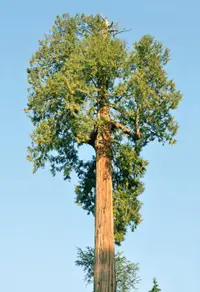
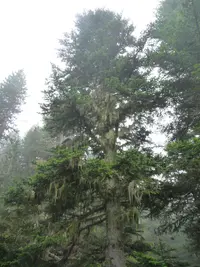
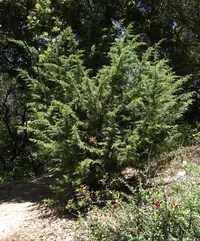
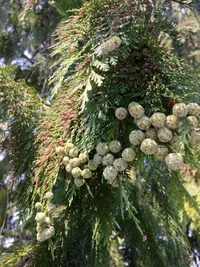
Western redcedar, Thuja plicata, is a long-lived coniferous tree known for its aromatic, rot-resistant wood and dense, scale-like foliage. It is commonly used in hedges, windbreaks, and screens, as well as in forestry and timber production.
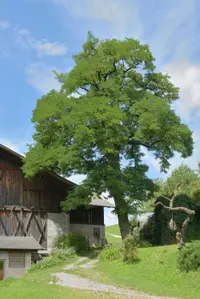
In nature, it occurs along the Pacific Northwest of North America, often in moist forests and near streams. The tree forms a tall, narrow to broadly conical crown with flattened sprays of rich green foliage.
Its preference for cool, moist conditions and relatively tolerant nature makes it manageable for many gardeners, though it eventually becomes very large. Understanding how to care for western redcedar starts with providing consistent moisture, good drainage, and protection from very hot, dry conditions.

Care Difficulty
Moderate Care

Light Preference
Full Sun

Water Requirements
Regular Water

Temperature Preference
Cold Hardy

Hardiness Zone
5–7

Soil Texture
Loamy, Clay, Organic-rich

Soil pH
Acidic (5.5–6.5), Slightly acidic (6.5–7.0)

Soil Drainage
Moist but well-drained

Fertilization
Minimal (feed rarely)
Scan your plant to receive care tips personalized for your specific plant
Available on iOS and Android
Thuja plicata grows best with consistent outdoor light suited to its native forest edge habitats.
Thuja plicata prefers evenly moist, well-drained soil and does not tolerate prolonged drought or standing water.
This species is a cold-hardy conifer adapted to cool, moist climates with moderate summers.
Thuja plicata tolerates a wide humidity range and rarely needs special humidity management outdoors.
Thuja plicata grows best in deep, moist, well-aerated mineral soil with reliable drainage.
This species can be grown in large outdoor containers, mainly for young plants or dwarf cultivars.
Thuja plicata usually needs modest feeding, especially when young or grown in poor soil.
Thuja plicata responds well to light, careful pruning that maintains its natural form.
Western redcedar is usually grown in the ground, so focus on careful transplanting rather than frequent repotting.
Thuja plicata is most often propagated from cuttings to maintain desired characteristics.
Mature Thuja plicata is generally cold hardy and needs limited winter care in most temperate climates.

Plant Health Check
Not sure what's wrong with your plant? Check your plant's health inside the app.
The heartwood contains aromatic compounds that make it very resistant to fungal decay and insect damage, which is why it has been widely used for outdoor structures such as shingles, poles, and traditional canoes.
This species forms a very wide, shallow root system instead of a deep taproot, allowing efficient uptake of surface moisture but also making mature trees more vulnerable to windthrow in saturated soils.
In Pacific Northwest forests, western redcedar often acts as a nurse tree, creating cool, moist, low-light conditions under its canopy that help shade-tolerant species such as western hemlock seedlings establish and grow.

Large, old western redcedar trees can develop huge, fluted trunks and hollow basal chambers that provide important shelter for wildlife and, in Indigenous cultures of the Pacific Northwest, have historically been used as living shelters and storage spaces without felling the entire tree.
Growth rate is usually moderate to fast, about 30–60 cm per year under good conditions. Rate slows in poor soil, compacted sites, heavy shade, or drought. Young trees often grow faster than mature specimens.
Keep your plants happy and healthy with plant identification, disease detection, and easy care guidance.