Wollemi-pine Care (Wollemia nobilis)

Also known as: wollemia
Wollemi-pine

About Wollemi-pine

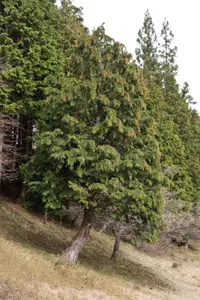
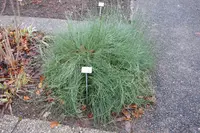
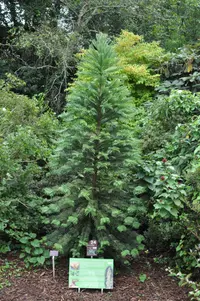
Wollemi-pine, Wollemia nobilis, is an ancient conifer from temperate rainforests of eastern Australia. It was known only from fossils until its discovery in 1994. The tree forms a narrow, upright crown with distinctive bubbly bark and flat, fern-like foliage that can look almost tropical. In gardens and containers it grows slowly and stays manageable for many years. It adapts reasonably well to different temperate climates but dislikes extreme heat, very dry air, and compacted or waterlogged soil. With shelter from harsh conditions, many gardeners find it straightforward to care for Wollemi-pine.

Main Plant Requirements

Care Difficulty

Moderate Care

Light Preference

Partial Sun

Water Requirements

Moderate Water

Temperature Preference

Cool Climate

Hardiness Zone

8–11

Soil Texture

Sandy, Loamy, Organic-rich

Soil pH

Acidic (5.5–6.5), Slightly acidic (6.5–7.0)

Soil Drainage

Moist but well-drained

Fertilization

Minimal (feed rarely)

Get Personalized Care Plan

Scan your plant to receive care tips personalized for your specific plant

Available on iOS and Android

How to Care for the Wollemi-pine

This ancient conifer prefers bright, gentle light that mimics a high, open forest canopy.

  • Provide 4–6 hours of morning sun with light afternoon shade; dappled or filtered light suits Wollemi-pine in hotter regions.
  • In cool, mild climates, it tolerates more direct sun, but prolonged harsh afternoon sun can scorch needles and pale new growth.
  • In deep shade, growth becomes sparse and elongated; gradually increase light exposure over 2–3 weeks to avoid shock.

This species prefers evenly moist, well-drained soil without long dry or waterlogged periods.

  • Water when the top 3–5 cm of soil feels dry, aiming for consistently damp but not saturated soil around the root zone.
  • Use deep, slow watering so moisture reaches 20–30 cm down, then allow excess to drain freely to reduce root rot risk in Wollemia nobilis.
  • In summer dry spells, monitor weekly for drooping tips or dry, browning needles; in cooler, rainy seasons, hold back if soil stays wet.

This tree is more cold tolerant than many conifers but still benefits from moderate, stable temperatures.

  • Optimal growth occurs around 50–77°F (10–25°C), with best vigor in mild, frost-free conditions and good air movement.
  • Mature plants tolerate brief drops to about 14°F (−10°C), but young trees should be protected from hard frost and drying winter winds.
  • In hot summers above 86°F (30°C), provide afternoon shade and mulch the root zone to keep soil cooler and reduce heat stress.

This conifer prefers moderate, steady humidity but adapts to typical household levels.

  • Aim for 40–60% humidity, avoiding very dry, heated rooms whenever possible.
  • Tolerates short dry spells, but browning or curling needle tips can signal chronic low humidity stress.
  • Increase humidity by grouping plants, placing the pot on a pebble tray with water below the pot base, or using a small humidifier nearby.

Soil for Wollemia nobilis should be loose, free-draining, and slightly acidic to neutral to protect roots from suffocation and rot.

  • Use a mix such as 50% pine bark fines, 30% coarse sand, and 20% compost for a textured, aerated medium.
  • Ensure rapid drainage; water should pass through in seconds and not leave the surface glossy or muddy.
  • Target pH around 5.5–6.5, avoiding strongly alkaline mixes that can limit nutrient uptake and cause foliage yellowing.
  • Improve heavy or compacted mixes by adding extra bark, pumice, or perlite rather than more fine compost.

This species can be grown in containers for many years if the pot is chosen and managed carefully.

  • Select a deep, heavy pot to anchor the increasingly tall, top-heavy tree and reduce tipping in wind.
  • Choose a pot material with moderate porosity, such as thick-walled clay or composite, to prevent rapid drying yet avoid waterlogging.
  • Raise the pot slightly on feet or blocks so drainage holes remain clear and excess water can escape freely after irrigation.

This ancient conifer grows slowly and needs only light, targeted feeding in cultivation.

  • Use a balanced, slow-release fertilizer (e.g. 10-10-10) or well-aged compost in spring for Wollemi-pine in pots or poor soil.
  • Feed once in early spring and again midsummer during active growth; avoid late-season nitrogen that stimulates soft growth.
  • Apply at half the label rate for trees, keeping granules away from the trunk; water thoroughly afterward.
  • Skip feeding in winter or dormancy, except for very weak plants, to prevent stress and lank, frost-tender shoots.

Pruning Wollemia nobilis is usually minimal and focused on safety, structure, and removing damaged material.

  • Carry out any structural work in late winter to early spring, before strong new growth starts.
  • Remove dead, diseased, crossing, or storm-damaged branches with clean, sharp bypass pruners or a pruning saw.
  • Limit cuts to smaller branches; avoid removing the central leader to maintain the tree’s natural columnar form.
  • Make clean cuts just outside the branch collar and avoid heavy thinning, which can stress this slow-growing species.

Container-grown plants tolerate disturbance poorly, so repot or transplant Wollemia nobilis only when clearly needed.

  • Look for roots circling the pot, pushing out drainage holes, or water running straight through as signs it has outgrown its container.
  • Plan transplanting or potting-on for late winter to early spring, with intervals of 3–5 years for young container specimens.
  • Choose a slightly larger pot with free-draining, slightly acidic mix, and keep the root ball as intact as possible during handling.
  • After moving, water thoroughly, provide light shade and wind shelter for several weeks, and avoid fertilizing until new growth appears.

Home propagation of Wollemia nobilis is possible but slow and technically demanding.

  • Semi-hardwood cuttings taken in late summer root best under high humidity, bottom warmth, and bright, indirect light.
  • Use a free-draining, sterile mix, apply a rooting hormone to the cut surface, and keep the medium just moist, never saturated.
  • Seed propagation is slow; sow fresh seed in autumn in a cool, bright position and allow natural cold stratification.
  • Expect low to moderate success rates and slow establishment, so purchase nursery-raised plants for most garden situations.

Established Wollemia nobilis shows moderate cold tolerance but benefits from simple winter precautions in colder regions.

  • Mature trees cope with light to moderate frost, but young plants are more vulnerable to prolonged freezes.
  • Apply a 5–8 cm layer of organic mulch around the root zone, keeping it clear of the trunk to reduce rot risk.
  • Wrap young stems with breathable frost cloth during severe cold snaps, especially in exposed gardens.
  • Move container plants to a sheltered, unheated but frost-free spot, such as a cold greenhouse or bright garage.

Care Tips

Root-zone protection

Apply a 5–8 cm layer of coarse, neutral mulch such as pine bark around the root zone, keeping it 5–10 cm away from the trunk to stabilize soil temperature and reduce root stress in hot or cold spells.

Crown structure training

While the plant is young, select and maintain one strong central leader and lightly remove competing vertical shoots once a year to encourage a stable, wind-resistant crown.

Container transition planning

If grown in a pot, up-pot gradually into only 5–8 cm wider containers every 2–3 years to prevent sudden root shock and allow the root system to consolidate after each move.

Wind exposure management

Site the plant where it receives some shelter from strong prevailing winds, or install a permeable windbreak such as a slatted screen to reduce branch breakage and leader deformation.

Seasonal stress monitoring

During heatwaves or unseasonal cold snaps, inspect needles every few days for scorch, bronzing, or sudden drop, and adjust shading, wind protection, or watering practices promptly when growing Wollemi-pine outdoors or in containers.

Common Pests and Diseases

Needle blight

This disease causes browning and death of older needles, often starting on inner foliage and lower branches under humid, shaded conditions.

Solution

Remove and dispose of affected needles and twigs, avoid overhead watering, and improve spacing and airflow around the plant; in high‑value specimens, a conifer‑labelled fungicide containing chlorothalonil or copper can be applied preventively during prolonged wet periods as part of broader Wollemia nobilis care.

Botrytis dieback

This disease leads to soft, grey, fuzzy mold on young shoots and cones, followed by shoot tip dieback, especially in cool, damp conditions or in very dense canopies.

Solution

Prune out and discard infected shoot tips, reduce humidity by improving ventilation, avoid wetting foliage late in the day, and use a labelled Botrytis fungicide on vulnerable nursery or indoor plants if conditions stay cool and damp.

Scale insects

These insects attach to stems and sometimes needles, appearing as small bumps that excrete honeydew, which can lead to sooty mold and gradual decline in vigor.

Solution

Wipe or gently scrub stems with a soft cloth or brush dipped in mild soapy water, cut out heavily infested twigs, encourage natural predators outdoors, and use a horticultural oil spray to smother remaining scales, repeating as needed according to label directions.

Armillaria root disease

This disease, caused by Armillaria fungi present in some soils, leads to gradual yellowing and thinning of foliage, reduced growth, and eventual death, often where trees are planted over old stumps or infected roots.

Solution

Remove and destroy severely affected plants including as much root material as possible, avoid planting Wollemi pine on sites with known Armillaria problems or over old woody debris, and maintain good drainage and moderate irrigation to reduce stress that predisposes plants to infection.

Interesting Facts

Living fossil lineage

This conifer belongs to a lineage that was widespread in the Southern Hemisphere during the age of dinosaurs and was known only from fossils for millions of years before living trees were discovered in the 1990s.

Extremely restricted wild range

In nature it occurs only in a few steep, moist sandstone gorges in the Blue Mountains of New South Wales, Australia, making its natural distribution among the most limited of any tree species.

Unusual bark and budding

The bark forms deep, bubbly ridges that resemble cocoa puffs, and the trunk can produce multiple buds that allow it to resprout after damage, a feature that aids long-term survival.
Botan icon

Did you know?

All known wild trees descend from a single, tiny population whose exact locations are kept secret to protect them from disease, illegal collecting, and disturbance, making this species one of the most heavily guarded plants in modern conservation history.

FAQs about Wollemi-pine

This conifer is evergreen, holding foliage year-round. Individual leaves can yellow and drop as part of normal aging, especially on shaded inner branches, but the plant keeps a persistent canopy in suitable outdoor conditions.

Grow Healthy Plants with Botan Care

Keep your plants happy and healthy with plant identification, disease detection, and easy care guidance.


Botan plant care app — identify plants on mobile

Explore More Plants