Italian stone pine Care (Pinus pinea)

Also known as: Italian Stone Pine, Umbrella Pine, Mediterranean stone pine, parasol pine
Italian stone pine

About Italian stone pine

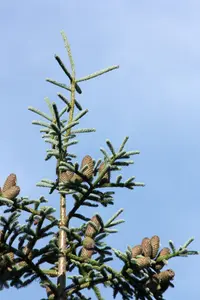
Italian stone pine, Pinus pinea, is an evergreen conifer best known for its umbrella-shaped crown and edible pine nuts. It naturally occurs in the Mediterranean region, especially around coastal areas. Young plants stay narrow and compact for many years before slowly developing the broad canopy seen in mature landscape trees. Growth is generally slow, which makes it suitable for containers and small gardens when regularly pruned. This species prefers sunny, open sites with well-drained, slightly sandy soil and moderate moisture. With correct conditions and patience, it is relatively straightforward to care for Italian stone pine.


Main Plant Requirements

Care Difficulty

Moderate Care

Light Preference

Full Sun

Water Requirements

Low Water

Temperature Preference

Warm Climate

Hardiness Zone

8–10

Soil Texture

Sandy, Loamy, Rocky

Soil pH

Slightly acidic (6.5–7.0), Neutral (7.0)

Soil Drainage

Well-drained

Fertilization

Minimal (feed rarely)

Get Personalized Care Plan

Scan your plant to receive care tips personalized for your specific plant

Available on iOS and Android

How to Care for the Italian stone pine

This Mediterranean pine needs strong light and open exposure to develop a dense, balanced crown.

  • Provide full sun for 6–8 hours daily; Italian stone pine performs best in unobstructed south or west exposure.
  • Tolerates light partial shade, but prolonged shade causes thin foliage, longer, weaker shoots, and a more open canopy.
  • In hot climates, young trees benefit from slight afternoon shade to reduce needle scorch, while mature trees handle intense sun if soil moisture is maintained.

This drought-tolerant pine prefers deep, infrequent watering once established rather than constant moisture.

  • In the first 1–2 years, water when the top 5–8 cm of soil are dry, applying a slow, deep soak to wet the root zone thoroughly.
  • Ensure well-drained, sandy or loamy soil; standing water, sour smell, or yellowing needles indicate overwatering and root stress.
  • Mature Pinus pinea usually relies on rainfall; during extended summer drought, watch for dull, drooping needles and water deeply if soil is dry several inches down.

This species is adapted to warm, dry-summer climates with mild to cool winters.

  • Optimal growing temperatures are about 65–85°F (18–29°C), with best shoot extension in warm, bright conditions.
  • Established trees tolerate down to about 15–20°F (-9 to -6°C); young plants are more frost-sensitive and benefit from shelter in cold snaps.
  • Heat tolerance is high up to 95–100°F (35–38°C) if soil is not waterlogged; combine good airflow and mulch to protect roots from extreme swings.

Pinus pinea handles typical indoor humidity but prefers drier, well-ventilated air around 30–50%.

  • Tolerates dry household air, so a humidifier is usually unnecessary for Italian stone pine.

  • Watch for browning needle tips and increased needle drop as signs of excess humidity and poor air circulation.
  • Improve conditions with a small fan nearby and spacing from other plants to reduce trapped moisture around the foliage.

Pinus pinea needs sharply drained, sandy-based soil that prevents waterlogging.

  • Use a mix of roughly 50–70% coarse sand or grit with the rest a lean potting mix or sandy loam to support drainage.
  • Keep pH slightly acidic to neutral, around 6.0–7.0, avoiding strongly alkaline or salty substrates.
  • Add pine bark fines or small gravel to increase air pockets around roots and reduce compaction over time.
  • Avoid dense, peat-heavy or clay-based mixes that stay wet, as these promote root rot and weak growth.

This species can be grown in containers for many years if managed for root space and stability.

  • Choose a deep, heavy pot that resists tipping as the canopy becomes more umbrella-shaped and wind-sensitive.
  • Select a container material that dries moderately fast, such as unglazed clay, to prevent chronic moisture around the root zone.
  • Elevate the pot on feet or bricks so drainage holes stay clear and excess water exits quickly after watering or rain.

Pinus pinea grows acceptably in lean soils but benefits from light, targeted feeding in containers or poor ground conditions.

  • Use a balanced slow-release fertilizer (around 10-10-10) or well-aged compost once in early spring for Italian stone pine in pots or nutrient-poor beds.
  • Apply at 1/2 the label strength for container plants to avoid salt buildup and root burn.
  • In mid-summer, a second light slow-release dose is sufficient; skip high-nitrogen lawn fertilizers near the root zone.
  • Do not feed in fall or winter, when growth is minimal, to prevent soft, frost-sensitive shoots.

Pinus pinea needs only light pruning to maintain structure and remove problem growth.

  • Carry out structural pruning in late winter to early spring, before active growth starts, for Pinus pinea.
  • Remove dead, diseased, storm-damaged, or crossing branches first, cutting back to the branch collar with clean bypass pruners or a sharp saw.
  • Limit shaping to light tip thinning; avoid cutting into large, older branches, which respond poorly and may not reshoot.
  • Do not remove the central leader on young trees, as this distorts the characteristic umbrella crown later.

Young Pinus pinea handles transplanting reasonably well if timing and root care are correct.

  • Look for circling roots at drainage holes, very slow growth, or plants toppling in the pot as signals it needs a larger container or planting spot.
  • Transplant in late winter to early spring, before new shoots extend, to reduce stress and allow strong root regrowth.
  • For container plants, move up 1 pot size every 2–3 years, using a free-draining mix and keeping the root ball intact.
  • Water deeply before and after transplanting, keep the root flare at soil level, and mulch lightly to reduce moisture loss without burying the trunk.

Pinus pinea is propagated mainly from seed, as cuttings root poorly and are rarely used in home settings.

  • Collect mature cones and extract seeds, choosing full, heavy seeds for better viability in growing Italian stone pine.
  • Sow in late winter to early spring in a gritty, well-drained medium, barely covering the seeds.
  • Provide 60–70°F temperatures, bright light, and even moisture; avoid waterlogging to limit damping-off disease.
  • Transplant seedlings gently once they develop several true needles, disturbing roots as little as possible.

Established Pinus pinea is moderately cold hardy in mild-winter regions and usually needs minimal winter protection.

  • Mature trees tolerate light freezes but may suffer in prolonged drops below about 15°F, especially when young.
  • Apply a 5–8 cm mulch layer around the root zone in late fall, keeping it a few cm away from the trunk.
  • For container plants, move pots into a sheltered, unheated but frost-free spot or wrap containers with insulating material.

Care Tips

Root flare check

When planting or repotting, gently clear soil from the top of the rootball until the first main roots are visible so the root flare sits at or slightly above the final soil level, which greatly reduces risk of trunk rot and girdling roots over time.

Seasonal container shift

If grown in a pot, rotate the container every 4–6 weeks during the growing season and slide it a short distance each spring to gradually acclimate the tree to higher light or wind without shocking the needles.

Controlled leader training

Select a single strong central leader and lightly stake it in young trees, then remove or shorten competing upright shoots each year to maintain the classic umbrella form and strong structure.

Salt spray protection

In coastal or roadside sites, install a low windbreak or plant on the leeward side of a wall or hedge to limit salt-laden wind, which can scorch needles and slow growth.

Clean tool practice

Always disinfect pruning tools with 70% isopropyl alcohol before and after use to reduce the chance of transferring fungal cankers or needle diseases when caring for Italian stone pine.

Common Pests and Diseases

Pine processionary moth

This pest feeds on needles, causing browning, defoliation, and weakened growth, and the hairy caterpillars can also irritate skin. Symptoms include large silken nests in the canopy and processions of caterpillars moving along branches or the ground.

Solution

Monitor trees in late winter–early spring and prune out and destroy visible nests before caterpillars disperse, disposing of them carefully to avoid skin contact. In larger trees or outdoor plantings, use pheromone traps and, if necessary, a targeted biological insecticide based on Bacillus thuringiensis applied by a certified professional during the early larval stage.

Pine needle scale

These insects appear as small white, elongated bumps on needles, leading to yellowing, needle drop, and gradual decline when heavily infested. This pest is more visible on older needles, where clusters of scales give a speckled, dusty look.

Solution

For light infestations, rinse needles thoroughly with a strong stream of water and remove heavily infested twigs. For heavier problems, use horticultural oil or insecticidal soap during crawler emergence, ensuring full coverage of needles while avoiding application in strong sun or during extreme heat.

Pine aphids

These insects cluster on young shoots and needles, sucking sap and causing distorted growth, needle yellowing, and sticky honeydew that can lead to sooty mold. This pest may attract ants that protect them and interfere with natural predators.

Solution

Spray affected shoots with water to dislodge aphids and prune the worst-affected tips. Encourage or introduce natural predators such as lady beetles, and when needed, apply insecticidal soap or light horticultural oil to young growth, repeating as new aphids appear.

Sphaeropsis (Diplodia) tip blight

This disease causes browning and death of new shoots, stunted candles, and resin-soaked, blighted tips, often starting in the lower crown. Symptoms include small black fruiting bodies on needles and cones, especially on stressed or wounded trees.

Solution

Prune out and dispose of infected shoots, cones, and dead branches during dry weather, cutting back into healthy tissue and disinfecting tools between cuts. Reduce stress with proper watering and avoid mechanical injury, and in high-risk areas consider preventive fungicide sprays in spring, timed to bud break and early shoot elongation as part of broader Pinus pinea care instructions.

Pine needle cast

This disease leads to yellowing and premature drop of older needles, sometimes leaving only the current year’s growth on branches. Symptoms include banding, small dark spots, or lines on needles before they fall.

Solution

Rake and remove fallen needles around the tree to reduce fungal spores and improve air circulation by avoiding overcrowding and heavy shading. In landscapes with recurring problems, a professional may apply a suitable fungicide in spring when new needles are emerging, timed according to local conditions and label directions.

Interesting Facts

Ancient Mediterranean crop

Pinus pinea has been cultivated around the Mediterranean for its edible seeds for thousands of years, with archaeological finds showing stone pine nuts in Roman and earlier sites. It is one of the few pine species intentionally grown as a long-term food crop rather than mainly for timber.

Iconic umbrella crown

Mature trees develop a broad, flat-topped canopy that looks like a giant umbrella, formed as lower branches die back and the upper branches spread widely. This characteristic silhouette shapes many classic coastal Mediterranean landscapes and is used as a visual indicator of traditional stone pine forests in ecological studies.

Large, shell-armored seeds

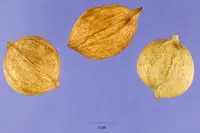
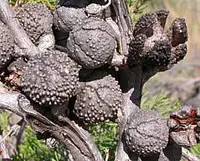
The cones of this species produce relatively large, thick-shelled seeds that are tightly enclosed and protected until the cone scales dry and open. This strong shell and delayed opening are thought to help protect the nutritious seeds from predators and desiccation in dry Mediterranean climates.

Botan icon

Did you know?

Historical records and archaeobotanical evidence indicate that stone pine nuts were traded across the Roman Empire as a valued luxury food, making Pinus pinea one of the earliest tree species integrated into long-distance commercial food networks.

FAQs about Italian stone pine

Growth is slow to moderate. Young trees typically add about 20–30 cm per year under good conditions, sometimes more in ideal climates. Growth rate decreases with age as the canopy broadens and the trunk thickens.

Grow Healthy Plants with Botan Care

Keep your plants happy and healthy with plant identification, disease detection, and easy care guidance.

Botan plant care app — identify plants on mobile

Explore More Plants