Acacia spirorbis Care

Acacia spirorbis

About Acacia spirorbis

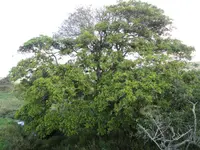
Acacia spirorbis is a medium to large evergreen tree from the Pacific region, especially New Caledonia and nearby islands. It belongs to the legume family, which often includes nitrogen-fixing species that enrich the soil.

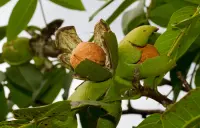
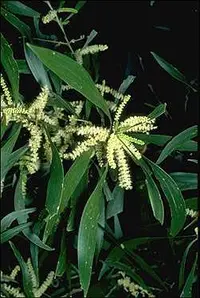
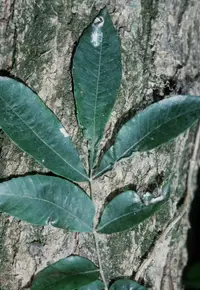
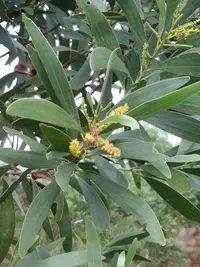
The tree usually has a rounded or spreading crown, with narrow, leaf-like phyllodes and creamy white flower spikes that are lightly scented. Its seed pods are often coiled or twisted, which helps with identification.

In landscapes it is typically used as a coastal or wind-tolerant tree, as it handles salt spray and poor soils relatively well. Those who want to care for Acacia spirorbis should know it prefers sunny, open sites and well-drained ground with moderate moisture.

Main Plant Requirements

Care Difficulty

Moderate Care

Light Preference

Full Sun

Water Requirements

Low Water

Temperature Preference

Tropical / Frost Sensitive

Hardiness Zone

11–12

Soil Texture

Sandy, Loamy

Soil pH

Slightly acidic (6.5–7.0), Neutral (7.0)

Soil Drainage

Well-drained

Fertilization

Minimal (feed rarely)

Get Personalized Care Plan

Scan your plant to receive care tips personalized for your specific plant

Available on iOS and Android

How to Care for the Acacia spirorbis

This species prefers bright, open conditions similar to coastal or savanna habitats.

  • Provide 6–8 hours of direct sun daily, ideally with morning and midday sun and only light exposure in late afternoon in very hot climates.
  • Young plants tolerate light partial shade (3–4 hours direct sun) but may grow more slowly and develop a looser canopy with fewer flowers.
  • In summer, watch for leaf scorch on exposed, dry sites; in shade, expect sparse growth and elongated, pale shoots indicating insufficient light.

This drought-tolerant tree prefers infrequent, deep watering once established.

  • In the ground, water only when the top 5–8 cm of soil are fully dry, soaking the root zone and then allowing the soil to dry again.
  • During the first 1–2 growing seasons, increase frequency slightly in hot, dry periods, but avoid leaving the soil constantly wet.
  • Yellowing, soft leaves and dieback suggest overwatering and poor drainage, while crisp leaf tips and rapid leaf drop point to underwatering.

This warm-climate tree thrives in mild, frost-free conditions.

  • Optimal growth occurs around 70–85°F (21–29°C), with good tolerance of brief peaks up to about 95°F (35°C) if soil moisture is adequate.
  • It is sensitive to frost and should be protected if temperatures approach 32°F (0°C), as young tissues are easily damaged.
  • In cooler regions, plant in a sheltered microclimate that moderates winter lows and avoids cold wind exposure, which can increase stress.

This species tolerates a wide humidity range but grows best in moderately dry to average household air around 40–60%.

  • Handles dry indoor air fairly well, but prolonged levels below 30% can slow growth and cause leaf tip browning.
  • Watch for curling, crisping, or premature leaf drop as signs of humidity stress, especially in heated rooms.
  • If air is very dry, group plants together or place the pot on a pebble tray with water, keeping the base above the waterline.

This species prefers fast-draining, slightly lean soil that mimics a light, sandy woodland or coastal substrate.

  • Use a sandy or loamy mix with 30–50% coarse sand or fine gravel to keep structure open and prevent waterlogging.
  • Aim for slightly acidic to neutral pH around 6.0–7.0, avoiding highly acidic or alkaline mixes that can limit nutrient uptake.
  • Blend in a modest amount of compost or well-rotted bark, keeping organic matter under about 30% so the mix stays free-draining.
  • Improve aeration by adding perlite or pumice and avoid dense clay-based soils, which raise rot risk and restrict root oxygen.

This species can be grown in containers if given sufficient root space and very sharp drainage.

  • Choose a deep, heavy pot that resists tipping, as top growth can become woody and wind-sensitive outdoors.
  • Select mineral-based mixes in terracotta containers, which allow faster moisture loss and reduce the risk of chronic wet roots.
  • Ensure multiple drainage holes so excess water exits quickly, preventing fine feeder roots from sitting in soggy zones at the pot base.

This nitrogen-fixing tree needs only light feeding in most garden soils.

  • For young container or poor-soil plants, use a balanced slow-release fertilizer (around 10-10-10 NPK) at the start of spring.
  • Apply a modest top-dressing of well-rotted compost once a year to support steady growth.
  • Avoid high-nitrogen lawn fertilizers near Acacia spirorbis to prevent weak, lanky shoots.
  • Do not feed during winter or drought stress, and always follow label rates without increasing strength.

Thoughtful pruning keeps Acacia spirorbis structurally sound and manageable in size.

  • Carry out main pruning in late winter or very early spring before active growth.
  • Remove dead, damaged, crossing, or inward-growing branches to improve airflow and light penetration.
  • Shorten or thin crowded outer shoots to maintain a balanced canopy and strong framework.
  • Use clean, sharp bypass pruners or a pruning saw, making smooth cuts just outside the branch collar.

Transplanting is more common than repotting for this fast-growing tree species.

  • Move young Acacia spirorbis trees when roots circle the pot base or growth stalls, usually every 1–2 years in containers.
  • Schedule transplanting for late winter to early spring, when temperatures are mild and rainfall supports establishment.
  • Prepare a wide planting hole with well-drained soil, setting the root flare at soil level and backfilling firmly without compacting.
  • Water deeply after planting, then maintain even moisture and a 5–8 cm mulch ring to limit stress while roots re-establish.

Seed propagation is the standard method for raising new plants of this species.

  • Collect ripe pods, extract seeds, and store dry and cool until late winter or early spring sowing.
  • Scarify seeds lightly with sandpaper, then soak in warm water for 12–24 hours to improve germination.
  • Sow into a free-draining, low-fertility mix, keeping temperatures around 68–77°F and moisture consistently light.
  • Provide bright light and good air movement; transplant seedlings once roots fill the cell or small pot.

This warm-climate tree is frost sensitive and needs protection in cooler regions.

  • In ground, site Acacia spirorbis in a sheltered, south-facing position with very free-draining soil.
  • Apply a 5–8 cm mulch layer around the root zone in late fall, keeping mulch away from the trunk.
  • For container plants, move pots indoors or into a frost-free greenhouse before temperatures drop near 32°F.

Care Tips

Wind-hardening seedlings

If raising plants from seed, expose young plants to increasing wind or gentle fan movement over 1–2 weeks before planting out to build stronger, less break-prone stems.

Deep staking support

Install a sturdy stake or two-wire system at planting time in windy or coastal sites so the tree can sway slightly but keep its root ball stable while the trunk lignifies (forms firm wood).

Salt and spray management

In exposed coastal locations, place plants slightly inland from the most exposed edge or behind a low windbreak to reduce chronic salt spray on foliage, which helps long-term success when growing Acacia spirorbis.

Low-branch selection

During the first 2–3 years, selectively remove crowded or crossing lower branches in late winter to encourage a single strong leader and a clear trunk, which improves structure and reduces storm damage risk later.

Nitrogen-fixing root care

Avoid disturbing the root zone more than 10–15 cm deep around the dripline so the nitrogen-fixing root nodules can function well and support vigorous growth without heavy fertilization.

Common Pests and Diseases

Acacia psyllids

These insects feed on young foliage and shoots, causing cupping, distortion, yellowing, and sticky honeydew that can encourage sooty mold growth.

Solution

Prune and destroy heavily infested shoots, then hose down foliage to remove nymphs and honeydew; if needed, apply an insecticidal soap or light horticultural oil thoroughly to the undersides of leaves, repeating at 7–10 day intervals while monitoring new growth.

Gall rust

This disease causes swollen, knotty galls on stems and branches, which can restrict sap flow and weaken the tree over time.

Solution

Prune out affected twigs and branches well below visible galls during dry weather, disinfecting tools between cuts; improve spacing and airflow around trees and avoid overhead irrigation to reduce spore spread, and remove nearby severely infected acacias that act as a source of inoculum.

Acacia borers

These insects tunnel inside stems and branches, leading to dieback, brittle wood, and sometimes sudden breakage in wind.

Solution

Cut out and dispose of infested branches showing frass (sawdust-like material) or internal galleries, then maintain tree vigor with proper watering and balanced nutrition so it can compartmentalize damage; avoid wounding the trunk and larger branches, and use physical trunk protection where borers are known to be common.

Armillaria root disease

This disease attacks roots and the lower stem, causing progressive yellowing, reduced growth, canopy thinning, and eventual decline or death in stressed trees.

Solution

Remove severely affected plants including as much of the root system as possible and avoid replanting acacias in the same spot; improve drainage, avoid overwatering and soil compaction, and select healthy, vigorous nursery stock when planning to grow Acacia spirorbis in previously affected areas.

Interesting Facts

Pacific island nitrogen source

This New Caledonian and Vanuatu tree forms root nodules with nitrogen-fixing bacteria, allowing it to enrich very poor coastal soils and act as a pioneer species after disturbance.

Helix-shaped seed pods

Its woody seed pods twist into tight spirals or coils as they dry, a distinctive feature that inspired the species name spirorbis, meaning spiral-shaped.

Salt-tolerant coastal tree

The species naturally colonizes back-dune and littoral zones, showing tolerance to wind, salt spray, and sandy substrates, which makes it important for stabilizing fragile coastal ecosystems.

Botan icon

Did you know?

In parts of its native range in New Caledonia, this species is often used in traditional agroforestry systems as a living fence and shade tree, helping protect crops while gradually improving soil fertility through its nitrogen-fixing ability.

FAQs about Acacia spirorbis

Growth is moderately fast. Young plants can add 30–60 cm per year in suitable climates, slowing as they mature. Rate depends on soil fertility, moisture availability, and warmth, with best performance in mild, frost-free coastal or subtropical areas.

Grow Healthy Plants with Botan Care

Keep your plants happy and healthy with plant identification, disease detection, and easy care guidance.


Botan plant care app — identify plants on mobile

Explore More Plants