Amur corktree Care (Phellodendron amurense)

Amur corktree

About Amur corktree

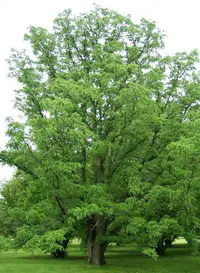
Amur corktree, Phellodendron amurense, is a deciduous shade tree valued for its corky, deeply furrowed bark and broad, open crown. It typically grows with a rounded, spreading habit and large, pinnate leaves that turn soft yellow in autumn.

This species is native to northeastern Asia, including regions of China, Korea, and the Russian Far East, and has been planted widely as a landscape tree. It is generally hardy, tolerates urban conditions, and adapts to a range of soils, which makes it relatively easy to establish.

To care for Amur corktree successfully, provide full sun, moderate soil moisture, and well-drained ground, as it dislikes prolonged waterlogging or extremely compacted sites.


Main Plant Requirements

Care Difficulty

Easy Care

Light Preference

Full Sun

Water Requirements

Moderate Water

Temperature Preference

Cold Hardy

Hardiness Zone

3–7

Soil Texture

Loamy, Sandy, Clay

Soil pH

Slightly acidic (6.5–7.0), Neutral (7.0)

Soil Drainage

Moist but well-drained

Fertilization

Minimal (feed rarely)

Get Personalized Care Plan

Scan your plant to receive care tips personalized for your specific plant

Available on iOS and Android

How to Care for the Amur corktree

This deciduous tree prefers full sun but also handles light shade in many landscapes.

  • Provide 6–8 hours of direct sun daily; morning sun with light afternoon shade reduces leaf scorch in hot summer regions.
  • Plant Amur corktree in an open site away from dense shade; in less than 4 hours of sun, expect thinner crowns and weaker fall color.
  • In the first 2–3 years, avoid deep shade from buildings or taller trees so young plants build a strong, sun-adapted canopy.

This species prefers evenly moist, well-drained soil, especially while young and establishing.

  • Check soil in the root zone to a depth of 5–8 cm; water only when this layer feels dry to slightly moist, not saturated.
  • During hot, dry periods, deep-soak the root area once soil dries, then allow excess water to drain to prevent root rot and soggy conditions.
  • In cool or rainy seasons, reduce watering; yellowing leaves and soft new shoots suggest overwatering, while wilting and crisp leaf edges indicate drought stress in Phellodendron amurense.

This hardy tree tolerates a wide temperature range but grows best in moderate climates.

  • Optimal growing temperatures are about 60–80°F (16–27°C) during the active season, with good growth and leaf development in this range.
  • Mature trees tolerate winter lows near -30°F (-34°C) once established, but young saplings benefit from mulch to buffer rapid soil freeze–thaw cycles.
  • During heat waves above 90°F (32°C), ensure soil moisture is stable; combined heat and drought increase leaf drop and stress, especially on newly planted trees.

Humidity is not a major limiting factor for Phellodendron amurense outdoors in typical temperate climates.

Soil conditions strongly influence establishment and long-term vigor of this tree.

  • Use deep, moderately moist loam with a mix of mineral particles and organic matter to support extensive root development.
  • Ensure drainage that prevents standing water yet retains moisture, for example by incorporating 20–30% compost into existing loam or sandy loam.
  • Aim for slightly acidic to neutral pH, around 6.0–7.5, as Phellodendron amurense tolerates a range but performs poorly in very alkaline sites.
  • Avoid compacted clay, waterlogged low spots, or extremely shallow, stony ground; improve aeration by loosening subsoil and mixing in coarse sand or fine bark where needed.

This species is generally unsuited to long-term container growing due to its eventual size and root system.

This large, hardy tree usually needs only modest feeding in average garden soil.

  • Apply a light layer of well-rotted compost around the root zone in early spring to support steady growth.
  • In poorer soils, use a balanced slow-release fertilizer (around 10-10-10) once in spring at label rates.
  • Avoid high-nitrogen lawn fertilizers near the root area to limit excessively soft, weak shoots.
  • Do not feed Phellodendron amurense in late fall or winter, when the tree is dormant.

Phellodendron amurense benefits from thoughtful structural pruning rather than frequent cutting back.

  • Carry out main pruning in late winter or very early spring, before bud break.
  • Remove dead, damaged, crossing, or rubbing branches with clean, sharp bypass pruners or a pruning saw.
  • Thin crowded interior shoots to improve light penetration and airflow through the canopy.
  • Shorten or remove poorly placed limbs to maintain a strong central framework and balanced crown.

This species is usually grown as a landscape tree, so transplanting young specimens is more relevant than repotting long term.

  • Plan major transplanting for early spring or early fall, when temperatures are mild and soil moisture is reliable.
  • Look for signs such as roots circling the pot, water running off quickly, or stunted growth to indicate the need to move up a container size.
  • Transplant every 2–3 years while young, shifting into a slightly larger pot or permanent ground position with well-drained soil.
  • Reduce root stress by watering deeply before and after moving, handling the root ball gently, and shading the tree for 1–2 weeks if conditions are hot or windy.

Propagation of this tree is possible but mainly undertaken by seed rather than vegetative methods.

  • Collect ripe berries in late summer or fall, clean off pulp, and sow seeds in a free-draining seed mix.
  • Provide a period of cold stratification at 34–41°F for 2–3 months to improve germination.
  • Keep the seed tray evenly moist, not waterlogged, and place in bright, indirect light once moved to warmth.
  • For more controlled Phellodendron amurense plant care, grow seedlings in containers for 1–2 years before planting out.

This tree is notably cold hardy and usually needs minimal winter attention once established in the ground.

  • In climates near the lower hardiness limit, apply a 5–8 cm mulch layer over the root zone, keeping it away from the trunk.
  • Young or newly planted trees benefit from burlap wraps around the lower trunk to reduce sunscald and cracking.
  • Container-grown specimens in cold regions should be moved into an unheated garage or sheltered area where temperatures stay above about 15°F.

Care Tips

Root flare check

When planting or inspecting established trees, make sure the uppermost structural roots sit just at or slightly above soil level, then gently remove excess soil or mulch from the trunk base so the root flare is clearly visible and not buried.

Mulch exclusion ring

Maintain a 7–10 cm deep mulch layer out to the drip line but always keep a mulch-free ring of 8–10 cm around the trunk to prevent bark rot, rodent damage, and shallow circling roots.

Structural pruning early

During the first 5–8 years, carry out light winter pruning to remove competing leaders and steep branch crotches, aiming for a single dominant leader and well-spaced scaffold branches that will support the mature crown.

Storm‑resilient branching

In windy regions, selectively thin crowded interior branches rather than shortening all branch tips, which encourages stronger attachment and reduces the risk of branch failure during storms.

Trunk and root protection

Install a physical barrier or low fence to keep lawn mowers and string trimmers away from the trunk and root zone, since repeated mechanical damage significantly increases pest and decay problems when growing Amur corktree.

Common Pests and Diseases

Ambrosia beetles

These insects bore into stressed or weakened trunks and branches, often leaving fine sawdust and introducing fungal staining in the wood. Symptoms include sudden branch dieback, wilted foliage, and small round exit or entry holes in the bark.

Solution

Prune and destroy heavily infested or dying branches, and maintain tree vigor through proper watering and mulching to reduce stress. For valuable landscape trees, monitor in early spring and consult an arborist about trunk banding or targeted trunk sprays with a registered insecticide timed before peak beetle flight.

Leaf spot

This disease causes small tan to brown lesions on leaves that may coalesce into larger irregular patches, sometimes with yellow halos. Symptoms include premature leaf drop in wet seasons and a generally thinned canopy.

Solution

Rake and remove fallen leaves to reduce fungal spore levels, and improve air circulation by thinning overcrowded branches. In severe, recurrent cases, a copper- or chlorothalonil-based fungicide can be applied according to label directions at bud break and during extended wet periods as part of broader Phellodendron amurense care instructions.

Powdery mildew

This disease produces a white to gray powdery coating on upper leaf surfaces, young shoots, and sometimes fruit clusters. Symptoms include leaf distortion, reduced growth, and premature yellowing in shaded or humid conditions.

Solution

Increase light and air movement by selective pruning and avoid overhead watering in the evening. Remove heavily affected leaves where practical, and if needed, apply a registered fungicide labeled for powdery mildew, rotating active ingredients to limit resistance.

Scale insects

These insects appear as small, immobile bumps on twigs and branches and feed on plant sap. Symptoms include sticky honeydew on leaves or surfaces below the tree, followed by sooty mold growth and general decline in vigor.

Solution

Prune out and destroy heavily infested twigs, and use a stiff brush or gloved hand to physically remove scales from small branches. Apply a horticultural oil spray during the dormant season or at crawler emergence, ensuring thorough coverage of bark and undersides of branches while following label instructions.

Interesting Facts

Corky yellow bark

Mature trees develop thick, deeply furrowed bark that is pale yellow on the inside and rich in cork, which inspired both its common name and historical use as a cork substitute.

Dioecious flower biology

This species is dioecious, meaning male and female flowers grow on separate trees, so only female trees produce the characteristic black berry-like drupes after pollination.

Cold-hardy riverbank native

In its native range along rivers and mixed forests of northeastern China, Korea, and adjacent Russia, this tree tolerates very cold winters and seasonal flooding better than many other broadleaf trees.

Botan icon

Did you know?

In several regions of North America and parts of Europe, Amur corktree has escaped cultivation and is considered invasive, forming dense stands that shade out native understory plants and alter forest structure.

FAQs about Amur corktree

In many regions, especially parts of the US, this species is considered invasive. It spreads by seed, forms dense thickets, and displaces native trees. Always check local regulations before planting and avoid planting near natural areas.

Grow Healthy Plants with Botan Care

Keep your plants happy and healthy with plant identification, disease detection, and easy care guidance.

Botan plant care app — identify plants on mobile

Explore More Plants