BotaN logo

Elephant cactus Care (Pachycereus pringlei)

Also known as: Cardón Cactus, Mexican Giant Cardon, Elephant Cactus
Elephant cactus

About Elephant cactus

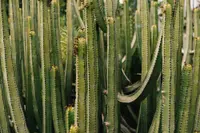
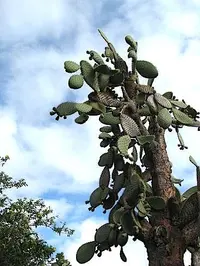
Elephant cactus, Pachycereus pringlei, is a large columnar cactus native to arid regions of northwestern Mexico, especially Baja California and Sonora. In the wild it forms tall, branching stems with a tree-like shape and strong vertical ribs armed with short spines.

This species is extremely drought-tolerant and slow-growing, which makes it relatively low maintenance in containers when kept small. Its main demands are strong light, very well-draining gritty soil, and minimal watering. Understanding how to care for Elephant cactus starts with respecting its need for dryness and avoiding cold, wet conditions.

Mature plants can live for many decades and develop impressive size in suitable climates, so long-term space and stability should be considered before planting outdoors.


Main Plant Requirements

Care Difficulty

Moderate Care

Light Preference

Full Sun

Water Requirements

Low Water

Temperature Preference

Tropical / Frost Sensitive

Hardiness Zone

10–11

Soil Texture

Sandy, Loamy, Rocky

Soil pH

Slightly acidic (6.5–7.0), Neutral (7.0)

Soil Drainage

Well-drained

Fertilization

Minimal (feed rarely)

Get Personalized Care Plan

Scan your plant to receive care tips personalized for your specific plant

Available on iOS and Android

How to Care for the Elephant cactus

This tall desert cactus thrives in intense sun but needs gradual adaptation in non-desert gardens.

  • Provide 6–10 hours of direct sun daily; full south or west exposure suits mature outdoor plants in dry climates.
  • Young or newly planted Elephant cactus benefits from 3–5 hours of gentle morning sun plus bright, filtered light later in the day to prevent scorch.
  • Watch for yellowing or bleached patches as signs of too much sun, and thin, leaning growth as a sign of insufficient light, especially in winter.

This species is highly drought-tolerant and prefers deep, infrequent watering in fast-draining soil.

  • Water only when the top 5–8 cm of soil are completely dry, then soak thoroughly so water runs freely through very gritty, sandy, or rocky soil.
  • Reduce or stop watering in cool seasons; in hot, dry summers, use visual cues like slightly dull, wrinkling stems before giving a deep drink.
  • Overwatering shows as black or mushy stem bases and a sour smell, while persistent shriveling despite watering suggests extremely poor root contact or drainage.

This cactus is adapted to hot, arid climates and needs protection from frost and prolonged cold.

  • Aim for 75–95°F (24–35°C) during active growth; short heat spikes up to about 105°F (40°C) are tolerated if soil is dry and airflow is good.
  • Avoid temperatures below 40°F (4°C); brief dips to 32°F (0°C) may be survived but can scar tissue, especially on young growth.
  • Provide the warmest, sunniest outdoor microclimate in winter, shielded from cold winds, and keep roots dry during any cool spells to reduce cold damage.

This cactus thrives in dry air and rarely needs humidity adjustment indoors.

  • Target 20–40% humidity, similar to a dry indoor room or arid outdoor climate.
  • Dry air is well tolerated; problems arise more from excess moisture than from low humidity.
  • If stems wrinkle despite dry, fast-draining soil, reduce any nearby humidifier use and increase air circulation around the Elephant cactus.

Use a very fast-draining, mineral-based mix that mimics rocky desert ground.

  • Choose a gritty, sandy mix with large pores, such as 60–70% mineral components and 30–40% organic material.
  • Combine cactus mix with coarse sand, pumice, or crushed lava rock to improve drainage and root aeration.
  • Keep pH slightly acidic to neutral, around 6.0–7.0, which suits Pachycereus pringlei in most tap-water areas.
  • Avoid fine, peat-heavy or clay soils that stay wet, compact, or sticky after watering, as these promote root rot.

This species can be grown in containers when young or in cooler climates, but long-term size is limiting.

  • Select a deep, heavy pot that resists tipping as the column becomes tall and top-heavy.
  • Use a tall, chimney-like container shape to give the taproot room while keeping the upper mix fast draining.
  • Choose unglazed clay if extra evaporation is needed in humid regions to prevent prolonged substrate moisture.

This large desert cactus needs only light feeding to support slow, steady growth in containers or cultivated beds.

  • Use a diluted balanced liquid fertilizer (around 10-10-10) at 1/4–1/2 strength during the warm growing season.
  • Feed every 4–6 weeks from late spring to late summer; skip feeding in fall and winter dormancy.
  • Alternatively, apply a small amount of slow-release cactus fertilizer or well-aged compost to the soil surface in spring.
  • Avoid high-nitrogen products, and always water lightly after feeding to limit root burn when caring for Elephant cactus.

Pruning Pachycereus pringlei is minimal and mainly corrective, focused on safety and plant health.

  • Carry out any work in late spring or early summer when temperatures are warm and dry.
  • Remove only dead, damaged, diseased, or rubbing stems using clean, sharp loppers or a pruning saw.
  • Limit cuts to small areas; heavy cutting can scar the cactus and slow growth.
  • Trim lower side stems only when needed to manage space or keep access paths clear.

This large columnar cactus is rarely repotted once mature, but young plants and transplants need some attention to root space and stability.

  • Repot or transplant in late spring, when soil is warming and the plant is entering its active growth phase.
  • Look for roots circling the pot, emerging from drainage holes, or very slow growth as signs it needs more space.
  • For containers, move up just 1 pot size, using a deep, gritty cactus mix and a heavy pot for stability.
  • Handle the root ball gently, keep roots as intact as possible, and water sparingly for 1–2 weeks to limit transplant stress.

Propagation of Pachycereus pringlei is possible but slow, and is usually done from seeds or well-rooted cuttings in controlled conditions.

  • Sow fresh seed in late spring in a sterile, gritty cactus mix, barely covering the seeds.
  • Maintain 70–80°F, bright indirect light, and slightly moist (not wet) soil until germination.
  • For cuttings, remove a healthy stem segment, then allow the cut end to callus for 1–2 weeks in a dry, shaded place.
  • Plant callused cuttings in dry cactus mix, water lightly after 7–10 days, and keep warm and bright to encourage rooting.

This desert cactus is highly frost sensitive and needs careful winter handling in regions with freezing temperatures.

  • Keep plants above 35–40°F; sustained frost can scar or kill stems.
  • In-ground specimens in marginal climates benefit from a thick, dry mulch over the root zone to moderate soil temperature.
  • Wrap tall stems with breathable frost cloth during cold snaps to reduce tissue damage.
  • Move container plants indoors or into an unheated but frost-free, very bright space for winter.

Care Tips

Stability and anchoring

In large containers, use a deep, heavy pot and a coarse mineral substrate so the tall column stays stable; if the plant leans, add 2–3 discreet bamboo stakes and loosely tie with soft horticultural tape to prevent wind or accidental knock-over damage.

Root-zone aeration

When repotting, gently loosen the outer roots and mix in extra pumice or coarse gravel around the root ball to increase air spaces, which reduces the risk of root rot in this slow-growing cactus.

Gradual light shifts

Before moving the plant from indoor light or shade into stronger sun, harden it off over 10–14 days by increasing direct sun exposure a little each day to prevent epidermal sunburn on the tall stems.

Salt and mineral management

Use low-mineral water when possible and once a year flush the pot thoroughly until water runs freely from the drainage holes to remove built-up salts that can cause brown root tips and slow growth when caring for Elephant cactus.

Safe handling practices

Handle the plant only with thick leather gloves and a folded towel or piece of carpet around the stem, which protects both your hands and the waxy skin from punctures and abrasions during repotting or transport.

Common Pests and Diseases

Cochineal scale

This pest forms white, cottony clusters on ribs and areoles, often accompanied by sticky honeydew and sooty mold. Symptoms include slow growth and yellowing or dull patches on the stems.

Solution

Isolate the plant, then physically remove colonies using a cotton swab dipped in 70% isopropyl alcohol or a strong stream of water, taking care not to damage the epidermis. For outdoor plants with recurring infestations, use a horticultural oil or insecticidal soap labeled for cacti, applied in the early morning or late afternoon, and reduce nearby ant activity that protects the scale insects.

Red spider mites

These insects are tiny and often produce fine webbing in the cactus ribs, causing a dusty appearance and bronzed or bleached patches on the skin. This pest thrives in hot, very dry conditions, especially on indoor or greenhouse specimens.

Solution

Rinse the stems thoroughly with lukewarm water to dislodge mites, then increase humidity slightly around the plant without keeping the soil wet. If damage continues, apply insecticidal soap or a miticide suitable for succulents, repeating according to label directions and improving airflow to prevent reinfestation, which is a key part of Pachycereus pringlei plant care.

Soft scale

These insects appear as small, brown or tan, dome-shaped bumps tightly attached to the cactus surface. This pest feeds on sap, leading to weakened growth and sometimes shiny honeydew deposits on the stems.

Solution

Scrape or wipe off individual scales with a soft brush or cloth moistened with diluted alcohol, then monitor the plant closely for several weeks. For heavy infestations on large outdoor plants, use horticultural oil during cooler parts of the day, ensuring thorough coverage of ribs and areoles while avoiding application during intense sun or extreme heat.

Bacterial soft rot

This disease causes water-soaked, soft, and often foul-smelling areas in the stem tissue, which can collapse quickly in warm, wet conditions. Symptoms include dark, sunken spots that spread from wounds or poorly healed cuts.

Solution

Remove all affected tissue promptly with a sterile, sharp knife, cutting back to firm, healthy flesh, and dispose of infected material away from other plants. Allow the wound to dry and callus in a warm, airy location, reduce or stop watering until tissue is fully dry, and avoid overhead watering or unnecessary injuries to the cactus surface.

Fungal stem spot

This disease appears as small, corky, brown or gray lesions on the cactus skin that may slowly enlarge, especially after prolonged humidity or minor mechanical damage. Symptoms include rough, discolored patches that can coalesce but usually remain localized on the outer tissue.

Solution

Improve air circulation, keep the stem surface dry, and avoid wetting the cactus during watering. If spots are limited, leave them to dry and cork over; in more severe cases, carefully cut out the lesions with sterile tools, allow the area to callus, and consider a sulfur-based or copper-based fungicide labeled for cacti, applied strictly according to directions.

Interesting Facts

Heaviest cactus trunk

This species can develop extremely thick, massive stems, and some individuals have been recorded with greater total biomass than any other known cactus species, making them contenders for the heaviest cacti on Earth.

Specialized bat pollination

Its nocturnal flowers are adapted for pollination by nectar-feeding bats, which visit at night to drink nectar and transfer pollen between the tall columnar stems.

Coastal desert specialist

Native to the Sonoran Desert of northwestern Mexico, it often grows near the coast on rocky, arid slopes where it tolerates high temperatures, intense sun, and very low rainfall.

Botan icon

Did you know?

This species forms a tight mutualistic relationship with soil microorganisms, including mycorrhizal fungi and nitrogen-fixing bacteria, that help seedlings establish on bare rock and extremely poor desert soils, allowing the cactus to colonize habitats where many other plants cannot survive.

FAQs about Elephant cactus

Growth is slow in containers, often only a few cm per year. In the ground, under hot, arid conditions, it can add 10–30 cm annually. Good light, warmth, and lean, well-drained soil support stronger growth.

Grow Healthy Plants with Botan Care

Keep your plants happy and healthy with plant identification, disease detection, and easy care guidance.

Botan plant care app — identify plants on mobile

Explore More Plants