Chinese stonecrop Care (Sedum tetractinum)

Chinese stonecrop

About Chinese stonecrop

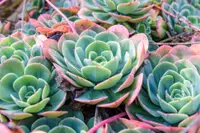
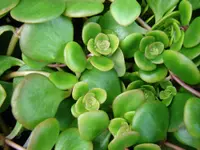
Chinese stonecrop (Sedum tetractinum) is a low-growing, mat-forming succulent often used as a groundcover or trailing plant. It forms dense carpets of rounded, overlapping leaves.

Foliage is typically bright green, flushing bronze or reddish in strong sun, and it produces small star-shaped yellow flowers in summer. The plant is native to China, where it grows on rocky slopes and open, well-drained sites.

This species is valued for its toughness, drought tolerance, and ability to handle some neglect, which makes it easy to establish in many gardens and containers. Those who want to learn how to care for Chinese stonecrop should know it generally prefers bright light, sharp drainage, and modest watering.

Main Plant Requirements

Care Difficulty

Easy Care

Light Preference

Full Sun

Water Requirements

Low Water

Temperature Preference

Cold Hardy

Hardiness Zone

4–9

Soil Texture

Sandy, Loamy, Rocky

Soil pH

Slightly acidic (6.5–7.0), Neutral (7.0)

Soil Drainage

Well-drained

Fertilization

Minimal (feed rarely)

Get Personalized Care Plan

Scan your plant to receive care tips personalized for your specific plant

Available on iOS and Android

How to Care for the Chinese stonecrop

This sun-loving groundcover thrives with bright exposure and stays compact and colorful under the right light.

  • Provide 6–8 hours of direct sun daily, with morning sun and light afternoon shade ideal in hot summer regions.
  • Chinese stonecrop tolerates light or partial shade (3–4 hours sun), but growth loosens and foliage color dulls if shade is too deep.
  • In very strong afternoon sun, especially in the US South or Southwest, monitor for leaf scorch and provide filtered light or brief shade protection.

This succulent prefers infrequent, deep watering and dries quickly in its well-drained soil.

  • Water only when the top 2–4 cm of soil feels completely dry; in most outdoor beds this means less frequent but thorough soakings.
  • During cool seasons or prolonged cloudy weather, reduce watering to prevent root rot, as Sedum tetractinum stores moisture in its leaves and stems.
  • Watch for overwatering signs such as yellowing, mushy leaves, and a sour soil smell; wrinkled, shriveling leaves signal that it is time to water.

This hardy sedum manages a wide temperature range but grows best under moderate conditions.

  • Encourage active growth in spring and fall at around 60–75°F (16–24°C), when foliage fills in and spreads most quickly.
  • Established plants usually tolerate down to about -10°F (-23°C) with good drainage, though top growth may die back in severe freezes and re-sprout from the crown.
  • In summer heat above 90°F (32°C), it generally copes well, but growth may slow; protect newly planted patches from reflected heat off walls or pavement.

This species prefers relatively dry air and humidity is rarely a limiting factor for Chinese stonecrop.

Sedum tetractinum grows best in very well-drained, lean, mineral-based soil.

  • Use a sandy or gritty mix, such as 50–60% cactus mix blended with coarse sand or fine gravel, to keep roots dry between waterings.
  • Aim for slightly acidic to neutral pH around 6.0–7.0, avoiding peat-heavy mixes that stay wet and compact too easily.
  • Improve aeration by adding 20–30% inorganic amendments like perlite, pumice, or crushed granite to resist compaction.
  • Avoid dense, clay-rich or water-retentive soils, which promote root rot and weak, stretched growth.

This species is very suitable for shallow, well-drained containers.

  • Choose a wide, shallow pot to match its mat-forming spread and prevent soggy soil in deeper areas.
  • Use a container material like unglazed terra cotta if extra evaporation is needed in rainy or humid climates.
  • Raise the pot slightly on feet or pot risers outdoors so drainage holes clear quickly after storms.

Sedum tetractinum needs only light feeding to maintain compact, healthy growth.

  • Use a balanced, low-strength liquid fertilizer (around 10-10-10), diluted to 25–50% of label rate.
  • Feed once in late spring and again in mid-summer during active growth; avoid heavier schedules.
  • Skip fertilizer in fall and winter when growth slows or stops.
  • In poor soils, a thin layer of compost around, not touching, stems can support long-term vigor.

Pruning Sedum tetractinum is mainly cosmetic and helps keep groundcover mats dense.

  • Best time is early spring, removing winter-damaged, dead, or mushy stems with clean scissors or pruners.
  • Lightly shear or pinch back leggy, sprawling shoots to encourage tighter, fuller coverage.
  • Thin crowded patches to improve airflow and reduce rot in humid or wet climates.
  • After flowering, trim spent flower stems to keep the carpet neat and direct energy to foliage growth.

Sedum tetractinum stays shallow-rooted, so transplanting and repotting are infrequent but sometimes helpful.

  • Repot or transplant in spring or early fall when temperatures are mild and soil is workable.
  • Look for roots circling the pot, very fast drying soil, or stalled growth as signs it has outgrown its space.
  • For containers, move into a pot 2–3 cm wider with gritty, fast-draining mix to limit root stress.
  • Water lightly after moving, keep in bright but not scorching sun for 3–5 days, then resume normal exposure.

Sedum tetractinum is commonly multiplied to extend groundcover or share plants.

  • Stem cuttings in late spring–summer root well if laid on gritty, barely moist mix with nodes touching the surface.
  • Division of dense mats in spring allows quick establishment; replant sections at the same depth.
  • Leaf or stem pieces can root by simple layering: pin stems to soil until roots form, then separate.
  • Seeds are possible but slower; sow on the surface of well-draining mix with bright, indirect light and minimal moisture.

This hardy stonecrop usually needs little winter attention in the ground in most temperate climates.

  • Tolerates light to moderate frost once established, though foliage may die back and return in spring.
  • In colder zones, a thin, dry mulch over the root zone moderates soil temperature and reduces heaving.
  • Container plants benefit from shelter in an unheated garage, cold frame, or against a house wall to prevent root freeze.

Care Tips

Encourage Dense Mats

Pinch or lightly shear the tips of vigorous runners in late spring to early summer to promote branching and form a tighter, more weed-suppressing groundcover.

Control Spread Edges

Install a shallow root barrier or use edging stones around beds and paths, then trim back overhanging stems a few times a year to keep the plant from lifting pavers or invading adjacent plantings.

Revive Leggy Patches

If older sections become thin or bare in the center, lift small healthy plugs from the edges, replant them into the gaps, and gently press them into the soil to quickly re-establish a full carpet.

Optimize Container Drainage

When growing Chinese stonecrop in pots or shallow bowls, use a wide, low container with generous drainage holes and add a 1–2 cm layer of coarse grit at the bottom to prevent water collecting around the roots.

Cold-Wet Protection

In climates with wet winters, slightly mound or slope the planting area and top-dress with a thin layer of gravel before winter so excess water sheds away from crowns and reduces rot risk.

Common Pests and Diseases

Aphids

These insects often cluster on young stems and undersides of leaves, sucking sap and causing distorted growth and sticky honeydew on Chinese stonecrop mats.

Solution

Dislodge colonies with a firm stream of water, then spot-treat remaining clusters with insecticidal soap or a neem oil spray, repeating weekly until controlled and avoiding application in full midday sun.

Mealybugs

These insects appear as white cottony clumps in stem joints or along runners, weakening plants and slowing new growth.

Solution

Isolate affected plants, dab visible mealybugs with cotton swabs dipped in isopropyl alcohol, then follow up with 1–2 light applications of insecticidal soap, checking closely in crevices where they hide.

Snails and slugs

These pests chew irregular holes in leaves and can thin out low, spreading mats in damp or shaded spots.

Solution

Hand-pick at dusk, reduce thick mulch where they hide, and if needed use iron phosphate slug bait placed around but not directly on plant mats to limit damage.

Powdery mildew

This disease shows up as white, dusty patches on leaves and stems, more often in humid, crowded groundcover plantings with poor air movement.

Solution

Improve air flow by thinning dense mats, avoid overhead watering in the evening, remove heavily affected sections, and if spread continues apply a labeled sulfur or potassium bicarbonate product according to directions.

Leaf spot

Symptoms include small brown to black spots on leaves that may merge, leading to premature leaf drop in humid or poorly drained locations.

Solution

Remove and discard affected foliage, water at soil level to keep leaves dry, and if spots keep returning, apply a copper-based fungicide during wet periods while ensuring the planting bed drains well to support healthy Sedum tetractinum plant care.

Interesting Facts

Low-growing mat habit

This species naturally forms a dense, flat mat only a few centimeters tall, created by creeping stems that root at the nodes and quickly cover soil or rock surfaces.

Bronze-gold summer color

The small, round leaves shift from bright green to bronze or coppery tones in strong summer sun, especially at the edges of each leaf, giving the mat a bicolored appearance.

Star-shaped midsummer flowers

It produces clusters of small, yellow, star-shaped flowers in mid to late summer that attract pollinating insects such as bees and hoverflies in its outdoor range.

Botan icon

Did you know?

Sedum tetractinum is native to rocky slopes and cliffs in parts of China, where its creeping, rooting stems help stabilize thin, stony soils and allow it to persist in exposed sites that experience periodic drought.

FAQs about Chinese stonecrop

This species spreads steadily by creeping stems and rooting at the nodes, forming a dense mat over time. It is usually not invasive, but can edge into nearby spaces if not occasionally trimmed or divided.

Grow Healthy Plants with Botan Care

Keep your plants happy and healthy with plant identification, disease detection, and easy care guidance.

Botan plant care app — identify plants on mobile

Explore More Plants