Contorted Capespinach Care (Trachyandra tortilis)

Contorted Capespinach

About Contorted Capespinach

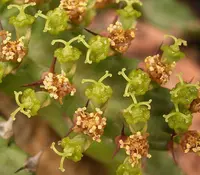
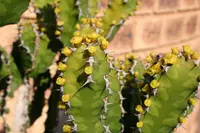
Contorted capespinach (Trachyandra tortilis) is a small, unusual succulent grown mainly for its twisted, corkscrew-like leaves. It forms a compact rosette that rises from a short, swollen base.

This species is native to arid coastal regions of South Africa, where it experiences bright light, well-drained sandy soils, and dry periods. Its slow growth and sensitivity to overwatering make it more suited to patient growers who can provide careful watering and strong light.

Those who want to care for Contorted Capespinach should focus on bright, indirect light, very free-draining soil, and allowing the substrate to dry well between waterings.

Main Plant Requirements

Care Difficulty

Moderate Care

Light Preference

Bright Indirect Light

Water Requirements

Low Water

Temperature Preference

Tropical / Frost Sensitive

Hardiness Zone

10–11

Soil Texture

Sandy, Loamy, Rocky

Soil pH

Slightly acidic (6.5–7.0), Neutral (7.0)

Soil Drainage

Well-drained

Fertilization

Minimal (feed rarely)

Get Personalized Care Plan

Scan your plant to receive care tips personalized for your specific plant

Available on iOS and Android

How to Care for the Contorted Capespinach

This succulent prefers bright, indirect light with some gentle direct sun each day.

  • Provide 4–6 hours of bright light daily, such as morning sun with light shade after midday, to prevent leaf scorch.
  • In hot climates, give Contorted Capespinach filtered light or dappled shade from about 11 a.m.–3 p.m. to avoid bleaching and crisping of foliage.
  • If stems stretch, bend toward windows, or lose tight curling, the plant is not getting enough light and should be moved to a brighter position.

Watering for this species should mimic dry, sandy habitats with brief wet periods.

  • Allow the top 3–5 cm of soil to dry fully before watering, then soak thoroughly so excess drains away from the roots.
  • In spring and fall, water when leaves look firm but soil is dry; reduce watering in winter to light sips when the mix is completely dry.
  • Watch for overwatering signs such as yellowing, soft leaves, or a sour soil smell; very wrinkled, limp leaves indicate Trachyandra tortilis is too dry.

This plant prefers mild, dry conditions without extreme heat or cold.

  • Ideal growth occurs at 65–75°F (18–24°C), with good air movement and low to moderate humidity to reduce rot risk.
  • It tolerates short dips to about 40°F (4–5°C) if soil is kept almost dry, but repeated cold stress weakens the plant.
  • Protect from frost, freezing temperatures below 32°F (0°C), and prolonged heat above 90°F (32°C), which can cause leaf collapse and root stress.

This succulent tolerates typical indoor humidity but prefers fairly dry air.

  • Aim for 30–50% humidity to mimic its arid habitat and keep foliage compact.
  • It handles centrally heated, dry rooms well, but persistent humidity above 60% can encourage rot at the leaf base.
  • If air is very humid, increase air movement with a small fan and keep Contorted Capespinach away from steamy kitchens or bathrooms.

Trachyandra tortilis needs a very fast-draining, mineral-based substrate to prevent root and crown rot.

  • Use a gritty, sandy mix such as 50–60% inorganic material (coarse sand, pumice, or perlite) blended with 40–50% cactus potting mix.
  • Ensure the mix feels loose, not compacted, so water runs through in seconds rather than pooling on the surface.
  • Aim for slightly acidic to neutral pH, around 6.0–7.0, which is typical for most commercial cactus or succulent mixes.
  • Avoid peat-heavy, moisture-retentive, or clay-rich soils that stay wet for more than 1–2 days after watering.

This species is well suited to container growing due to its compact, clumping root system.

  • Choose a wide, shallow pot that gives horizontal space for new shoots while keeping the root zone close to the warm surface layer.
  • Select unglazed terracotta if excess moisture is a concern, as it allows faster evaporation from both soil and pot walls.
  • Raise the pot slightly on feet or a stand so drainage holes stay clear and water does not collect under the base.

This succulent needs light feeding, as many Trachyandra tortilis plants grow well in lean, sandy soil.

  • Use a low-strength balanced liquid fertilizer (around 10-10-10) at 1/4–1/2 label rate, applied to moist soil.
  • Feed once every 4–6 weeks during active growth in late winter to spring, then stop in summer dormancy.
  • Avoid compost-rich or slow-release fertilizers that hold excess moisture around the roots.
  • Skip feeding in late autumn and winter to match the plant’s rest period and reduce rot risk.

Trachyandra tortilis needs minimal pruning, focused on cleanliness rather than shaping.

  • Best time to prune is late winter to early spring, just before or as new growth starts.
  • Remove dried, yellow, or damaged leaves at the base using small, sharp scissors or snips.
  • Cut spent flower stalks back to the rosette to keep the plant compact and tidy.
  • Avoid heavy cutting into healthy tissue, which can stress this slow-growing succulent.

This species prefers to stay slightly root-bound and only needs infrequent repotting.

  • Repot every 2–3 years or when roots circle the pot base or emerge from drainage holes.
  • Plan repotting for late winter to early spring, before the main growth flush of Contorted Capespinach.
  • Use a shallow pot with excellent drainage and a gritty succulent mix to limit water retention.
  • Gently loosen roots, remove old soil, then keep the plant slightly dry for 5–7 days to reduce transplant shock.

Trachyandra tortilis is most reliably propagated from seed under controlled conditions.

  • Sow fresh seed in late winter to early spring in a sterile, gritty succulent mix.
  • Press seeds lightly into the surface and keep just barely covered for better germination.
  • Maintain 65–75°F, bright indirect light, and lightly moist, not wet, soil until seedlings appear.
  • Allow seedlings to develop several true leaves before carefully potting them on into individual containers.

This plant is sensitive to hard frost and benefits from careful winter management, especially in containers.

  • Keep above 40°F; prolonged exposure to freezing temperatures can damage foliage and roots.
  • In cold climates, bring potted plants indoors to a bright, cool windowsill or unheated sunroom.
  • Use a fast-draining mix and water sparingly in winter to prevent root rot in low light.
  • In mild climates, grow in a sheltered, frost-free spot and avoid overhead watering on cold nights.

Care Tips

Rotate For Symmetry

Turn the pot 90° every 2–3 weeks so the twisted leaves develop evenly and the plant does not lean or contort only toward one light source.

Protect Leaf Rosettes

When repotting or handling, grip the pot or root ball rather than the leaf tufts to avoid snapping the brittle, spiraled foliage at the base.

Use Top Dressing

Apply a thin layer of coarse grit or small decorative stones on the soil surface to keep the crown dry, reduce algae growth, and stabilize the narrow leaves visually.

Cool-Season Rest

In late fall and winter, give the plant its natural rest by slightly cooler nights, minimal disturbance, and strict avoidance of water sitting near the leaf bases.

Plan For Succession

If an individual rosette becomes exhausted after flowering, allow offsets to develop around it and replant the healthiest ones to maintain a long-lived clump while growing Contorted Capespinach over several years.

Common Pests and Diseases

Mealybugs

This pest feeds on sap and often hides in leaf bases and along the twisted leaves, leaving cottony white clusters and sticky honeydew. Symptoms include distorted growth and sooty mold growing on the honeydew deposits.

Solution

Isolate the plant, then dab visible insects with cotton swabs dipped in 70% isopropyl alcohol and gently wipe leaf bases and crevices. Repeat weekly until no new insects appear, and improve light and air circulation to make conditions less favorable for reinfestation.

Soft scale

These insects appear as small, tan to brown bumps along leaves and stems and excrete honeydew that can lead to black sooty mold on the smooth succulent foliage. Infestations may cause gradual yellowing and reduced vigor.

Solution

Gently scrape or wipe off scales with a soft cloth or cotton swab dipped in 70% isopropyl alcohol, focusing on leaf bases and lower stem sections. For persistent problems, apply a light horticultural oil spray labeled for indoor succulents, repeating after 7–10 days while keeping the plant in bright, indirect light during treatment.

Spider mites

This pest thrives in dry indoor air and may cause fine webbing between the twisted leaves, along with stippled or faded patches. Symptoms include slow decline, dull foliage, and tiny moving specks on the underside of leaves.

Solution

Rinse the foliage with a gentle stream of lukewarm water, especially the undersides, then let the plant dry in bright, indirect light. If activity continues, apply an insecticidal soap or neem oil spray labeled for succulents every 5–7 days for several cycles, and slightly increase ambient humidity without overwatering the soil.

Basal leaf rot

This disease often starts where old leaves attach to the swollen base, causing soft, water-soaked tissue and foul odor, especially after overwatering or cold, wet conditions. Symptoms include collapsing outer leaves and browning at the crown region.

Solution

Remove and discard all soft, rotting tissue and affected leaves with a sterile blade, then let the plant dry thoroughly in a warm, bright spot and reduce watering. Repot into fresh, fast-draining cactus mix if the base or roots were affected, and in future water only when the mix is fully dry and ensure the pot has excellent drainage.

Leaf tip burn

Symptoms include dry, brown, papery tips on the slender twisted leaves, often from fertilizer buildup, tap water salts, or intense direct sun on a moisture-stressed plant. The rest of the leaf usually stays firm and green.

Solution

Flush the potting mix thoroughly with distilled or rainwater to wash out excess salts, then let it drain completely and dry before watering again. Move the plant to bright, indirect light, use a diluted low-nitrogen fertilizer only during active growth, and trim only the dead tip tissue without cutting into healthy green areas as part of Trachyandra tortilis care.

Interesting Facts

South African coastal specialist

This species is native to winter-rainfall coastal regions of South Africa, where it grows in sandy, often nutrient-poor soils exposed to wind and strong light.

Corkscrew leaf adaptation

The tightly twisted, ribbon-like leaves reduce the leaf area directly exposed to intense sun and drying winds, helping limit water loss in its arid habitat.

Short-lived rosette strategy

Individual rosettes are relatively short-lived, but the plant persists by producing offsets over time, allowing it to slowly form small clumps under suitable conditions.

Botan icon

Did you know?

In its native range, this species typically flowers in the South African winter, sending up slender stalks with small white flowers that open for only part of the day, an energy-saving strategy suited to its dry, seasonal environment.

FAQs about Contorted Capespinach

This species often flowers only when fully mature and seasonally rested. Insufficient light, excess nitrogen fertilizer, or keeping it too warm and moist year-round can all delay bud formation and reduce flowering, even on otherwise healthy plants.

Grow Healthy Plants with Botan Care

Keep your plants happy and healthy with plant identification, disease detection, and easy care guidance.

Botan plant care app — identify plants on mobile

Explore More Plants