green cockscomb Care (Sedum praealtum)

Also known as: Greater Mexican-stonecrop, Shrubby Stonecrop
green cockscomb

About green cockscomb

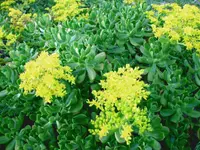
Sedum praealtum, often called shrubby stonecrop, is a succulent shrub from Mexico. It forms rounded, woody-based clumps with fleshy, cylindrical leaves clustered at the tips of branching stems. In suitable conditions it produces flat clusters of small star-shaped yellow flowers, attracting pollinators and adding seasonal color. This species is adapted to dry, rocky habitats, which explains its high tolerance to drought and poor soils. It suits beginners who want to learn how to care for Sedum praealtum because it forgives occasional neglect and irregular watering. It prefers bright light, very well-drained soil, and minimal moisture around the roots.

Main Plant Requirements

Care Difficulty

Easy Care

Light Preference

Full Sun

Water Requirements

Low Water

Temperature Preference

Warm Climate

Hardiness Zone

9–11

Soil Texture

Sandy, Loamy, Rocky

Soil pH

Slightly acidic (6.5–7.0), Neutral (7.0)

Soil Drainage

Well-drained

Fertilization

Minimal (feed rarely)

Get Personalized Care Plan

Scan your plant to receive care tips personalized for your specific plant

Available on iOS and Android

How to Care for the green cockscomb

This sun-loving succulent thrives in bright, open positions with several hours of direct light each day.

  • Provide 6–8 hours of direct sun, ideally with strong morning sun and gentler light in late afternoon to reduce leaf scorch risk.
  • It tolerates light partial shade, but stems may stretch and leaf spacing widen if it receives under 4–5 hours of direct sun.
  • In summer, acclimate Sedum praealtum gradually to intense afternoon sun to avoid sunburn, especially after cloudy periods or relocation.

Watering should imitate arid, sporadic rainfall with thorough soakings followed by complete drying.

  • Allow the top 3–5 cm of soil to dry fully before watering again, checking by touch rather than on a fixed schedule.
  • Use sharply draining, gritty soil so water runs through quickly, preventing roots from sitting in saturated conditions that cause rot.
  • Reduce watering in cool seasons when growth slows; shriveling leaves signal underwatering, while soft, yellowing, or translucent leaves suggest overwatering.

This species prefers warm, dry conditions and handles moderate temperature swings once established.

  • For active growth, aim for 65–80°F (18–27°C), with good airflow in hot weather to reduce heat stress and leaf drop risk.
  • It tolerates brief dips to about 25–30°F (-4 to -1°C), but repeated hard frosts can damage foliage and young stems.
  • In colder climates, protect roots with mulch in winter and avoid planting in low spots where cold air and frost settle.

This succulent tolerates 30–50% humidity and rarely needs special adjustment indoors.

Sedum praealtum prefers very fast-draining, mineral-rich soil that dries quickly between waterings.

  • Use a gritty mix such as 50–70% inorganic material (coarse sand, perlite, pumice) blended with 30–50% standard potting mix or commercial cactus soil.
  • Aim for a loose, crumbly texture that does not clump when squeezed, which keeps roots aerated and reduces rot risk.
  • Keep pH slightly acidic to neutral, around 6.0–7.0, and avoid heavy clay or compacted garden soil that holds water for more than 1–2 days.
  • For outdoor beds, raise the planting area or use mounded gravelly soil to improve drainage in regions with regular rain.

This species is well suited to container growing when the pot and setup prevent waterlogging and toppling.

  • Choose a shallow to medium-depth pot that matches the modest root system, preventing large volumes of unused wet mix around the roots.
  • Use a heavy or wide-based container if the plant becomes top-heavy so wind or accidental bumps do not tip it over.
  • Unglazed terracotta or other porous materials help moisture evaporate faster, which supports a dry surface between waterings in cool or humid climates.

This succulent needs only light feeding to stay healthy in typical home or garden conditions.

  • Use a diluted balanced liquid fertilizer (around 10-10-10 or 20-20-20 at 1/4–1/2 strength) for Sedum praealtum in active growth.
  • Feed once in late spring and again in mid-summer; more frequent fertilizing is unnecessary.
  • Choose either a balanced liquid feed, a small amount of compost, or a low-dose slow-release granule, not all at once.
  • Stop fertilizing in fall and winter so new growth does not emerge weak and stretched.

Pruning helps maintain a compact, tidy shape and supports flowering on healthy stems.

  • Best timing is late winter to early spring, before strong new growth starts.
  • Use clean, sharp scissors or pruning snips to remove dead, damaged, or frost-burned stems.
  • Shorten leggy or crowded shoots to encourage branching and a denser mound of foliage.
  • After flowering, trim spent flower stalks to redirect energy into roots and new shoots.

This species tolerates modest root crowding, so transplanting is only needed when growth or drainage decline.

  • Check for roots circling the container holes, slow growth, or very fast drying soil as signs to move Sedum praealtum.
  • Plan repotting or outdoor transplanting in spring, allowing 1–2 years between moves for container plants.
  • Choose a pot or site with fast-draining gritty soil and only 2–5 cm extra width to limit excess moisture.
  • Water lightly after moving, keep out of intense midday sun for 5–7 days, then return to normal light and watering.

This plant is commonly multiplied from cuttings and divisions under warm, bright conditions.

  • Take 5–8 cm stem cuttings in late spring or summer and remove lower leaves.
  • Allow cut ends to dry for 1–2 days so a callus forms, which reduces rot risk.
  • Place cuttings on or in well-draining sandy mix, keeping it barely moist until roots appear.
  • For mature clumps, lift and divide in spring, replanting firm, healthy sections with intact roots.

In mild climates this succulent is fairly tolerant of cool weather but is not fully hardy in severe frost.

  • Sedum praealtum can handle light frosts but may suffer damage below about 25°F, especially in wet soil.
  • Mulch in-ground plants with a thin gravel or coarse sand layer to insulate crowns while keeping them dry.
  • Move containers under cover or indoors to a bright, cool, frost-free spot before hard freezes.

Care Tips

Rotate For Symmetry

Turn the pot 90° every 2–3 weeks during active growth so stems develop evenly and do not lean or stretch more on the light-facing side.

Propagate To Rejuvenate

Every 1–2 years, take 7–10 cm stem cuttings from leggy growth, root them in the same gritty mix, and replant to create a denser, younger clump while phasing out old, woody stems.

Use Wide Containers

Choose a shallow, wide pot rather than a deep one to match the shallow root system and reduce the risk of water collecting in the lower soil profile.

Seasonal Outdoor Hardening

If moving the plant outdoors for summer, increase light exposure gradually over 7–10 days to prevent sunscald on previously indoor-grown foliage.

Inspect After Rain

For plants kept outdoors, check the soil and foliage after prolonged rain, moving the container under cover if the mix stays wet for more than 2–3 days to prevent rot when caring for Sedum praealtum.

Common Pests and Diseases

Aphids

These insects cluster on young stems and flower buds, sucking sap and causing distortion, sticky honeydew, and sooty mold growth.

Solution

Spray affected stems with a strong stream of water to dislodge colonies, then treat remaining insects with insecticidal soap or a light horticultural oil, repeating weekly until populations drop. Encourage natural predators such as lady beetles outdoors and avoid high nitrogen fertilization that promotes soft, aphid-prone growth.

Mealybugs

This pest appears as white, cottony tufts in stem joints and on undersides of leaves, where it feeds on sap and can stunt growth.

Solution

Isolate the plant, then dab visible mealybugs with cotton swabs soaked in 70% isopropyl alcohol and follow with insecticidal soap on all plant surfaces. Improve light and air movement, and inspect regularly, as caring for Sedum praealtum in crowded, low-light conditions tends to worsen mealybug issues.

Scale insects

These insects form small, brown or tan shell-like bumps on stems and leaf surfaces, leading to yellowing and reduced vigor over time.

Solution

Gently scrape or rub off individual scales with a fingernail or soft brush, then apply horticultural oil to smother remaining juveniles on all sides of the stems. Repeat treatments every 7–10 days for several cycles and prune heavily infested stems to reduce the population quickly.

Powdery mildew

This disease causes white, powdery patches on leaves and stems, often in warm conditions with poor air circulation and some shade.

Solution

Remove and discard affected leaves to reduce spore levels, then increase spacing and airflow around the plant and avoid wetting foliage. In persistent cases, apply a sulfur or potassium bicarbonate fungicide labeled for ornamentals, treating new growth preventively during warm, humid periods.

Leaf spot

Symptoms include small brown or black spots on leaves that may enlarge, merge, and cause premature leaf drop in humid or overcrowded conditions.

Solution

Trim and dispose of spotted leaves, avoid overhead watering, and water early in the day so foliage dries quickly. Improve spacing and airflow and, if spotting continues to spread, apply a copper-based fungicide according to label directions, focusing on new and recently expanded leaves.

Interesting Facts

Origin in Mexican highlands

This species is native to rocky slopes and cliffs in central Mexico, where it forms loose, shrubby colonies on well-drained, often limestone-rich soils.

Winter-yellow foliage shift

In cooler, bright winter conditions, its normally green, paddle-shaped leaves often turn yellowish to orange tones, a stress response linked to protective pigments called carotenoids.

Woody succulent habit

Unlike many low, mat-forming sedums, this plant develops woody, much-branched stems and can form a small shrub, which helps support its relatively large, fleshy leaves and flower clusters.

Botan icon

Did you know?

Sedum praealtum has been used as a grafting rootstock for certain cacti species, because its vigorous, water-storing stems can support and speed up the growth of more delicate scions in specialized collections.

FAQs about green cockscomb

Lack of flowers usually results from insufficient light, excessive nitrogen fertilizer, or very young plants. Ensure strong sun, avoid rich, high-nitrogen soil, and allow a cool, dry rest period in winter to encourage bud formation.

Grow Healthy Plants with Botan Care

Keep your plants happy and healthy with plant identification, disease detection, and easy care guidance.

Botan plant care app — identify plants on mobile

Explore More Plants