Support heavy heads
In windy or exposed sites, stake young plants with a sturdy post and soft ties placed below the leaf crown so the trunk can thicken without snapping while it establishes a stronger root system.

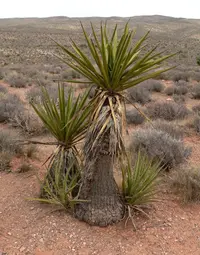
Mojave yucca (Yucca schidigera) is a slow-growing, woody succulent native to the deserts of the southwestern United States and northern Mexico. It forms a tall, tree-like stem crowned with dense rosettes of stiff, sword-shaped leaves.
Mature plants often develop multiple branches and produce tall flower spikes with creamy white blossoms. The overall look is architectural and strongly upright.
This species is adapted to intense sun, heat, and drought, which makes it tough but less forgiving of heavy watering or poorly drained soil. Those conditions shape how to care for Mojave yucca in gardens or dry landscapes.

Care Difficulty
Easy Care

Light Preference
Full Sun

Water Requirements
Low Water

Temperature Preference
Warm Climate

Hardiness Zone
6–11

Soil Texture
Sandy, Loamy, Rocky

Soil pH
Slightly acidic (6.5–7.0), Slightly alkaline (7.0–7.5)

Soil Drainage
Well-drained

Fertilization
Minimal (feed rarely)
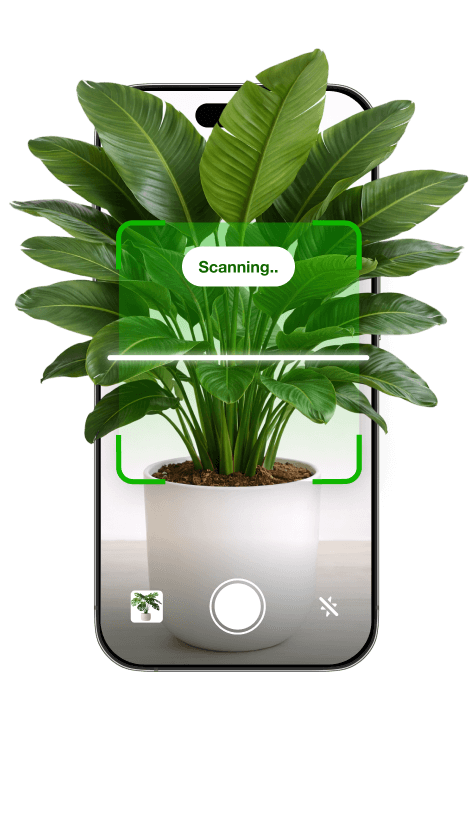
Scan your plant to receive care tips personalized for your specific plant
Available on iOS and Android
This desert shrub needs strong light to stay compact and healthy.
This species is highly drought tolerant and prefers infrequent, deep watering.
This desert-adapted plant tolerates wide temperature swings but has clear limits.
Yucca schidigera tolerates very low humidity and usually needs no special humidity management indoors or outdoors.
This desert species needs very fast-draining, mineral-based soil to prevent root rot.
This species can be grown in containers if the pot is managed to stay dry around the roots.
This desert-adapted species needs minimal feeding, but light nutrition can support container-grown Mojave yucca.
Yucca schidigera benefits from selective pruning to remove old growth and maintain a tidy form.
Transplanting is mainly relevant for container or young landscape plants, as mature specimens prefer to remain undisturbed.
This species is most often propagated from offsets or stem pieces rather than from seed in home settings.
This desert shrub is quite cold hardy in its native range and usually needs only minimal winter care in the ground.

Plant Health Check
Not sure what's wrong with your plant? Check your plant's health inside the app.
This species opens its creamy white flowers mostly at night and in the evening, aligning with the activity of moth pollinators in its hot desert habitat.
Its main natural pollinator is a yucca moth in the genus Tegeticula, which deliberately collects and packs pollen into the flowers while laying eggs, creating a tightly coevolved mutualism.
The stiff, spine-tipped leaves are coated in a thick cuticle, a waxy outer layer that reduces water loss and reflects intense desert sunlight, helping the plant survive extremely arid conditions.
Yucca schidigera can live for well over 100 years in the wild, gradually building a branched, tree-like form that becomes a long-term structural component of Mojave Desert plant communities.
This species usually needs several years to reach flowering size. Lack of blooms often relates to plant immaturity, insufficient winter chill, or stress from recent transplanting. Avoid heavy pruning of the central rosette, which removes future flower spikes.
Keep your plants happy and healthy with plant identification, disease detection, and easy care guidance.