common serviceberry Care (Amelanchier arborea)

Also known as: downy serviceberry, shadblow, sarvisberry, sarvis
common serviceberry

About common serviceberry

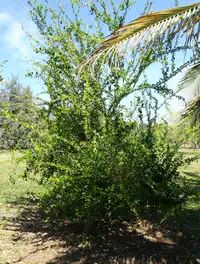
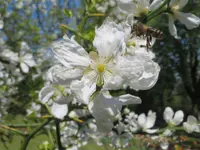
Common serviceberry, Amelanchier arborea, is a small deciduous tree or large shrub valued for its white spring flowers, edible berries, and attractive fall color. It often develops multiple stems and a graceful, open crown, fitting well into smaller gardens and naturalistic landscapes.

This species is native to woodlands and rocky slopes in eastern North America, where it typically grows at forest edges or in clearings. It is generally considered easy to grow, as it tolerates a range of soils and climates when provided with moderate moisture and good drainage.

Light shade to full sun and slightly acidic, well-drained soil usually support healthy growth. These adaptable traits make it straightforward to care for common serviceberry in many residential settings.

Main Plant Requirements

Care Difficulty

Easy Care

Light Preference

Full Sun

Water Requirements

Moderate Water

Temperature Preference

Cold Hardy

Hardiness Zone

4–9

Soil Texture

Sandy, Loamy, Clay

Soil pH

Acidic (5.5–6.5), Slightly acidic (6.5–7.0)

Soil Drainage

Moist but well-drained

Fertilization

Minimal (feed rarely)

Get Personalized Care Plan

Scan your plant to receive care tips personalized for your specific plant

Available on iOS and Android

How to Care for the common serviceberry

This small tree thrives in sites with abundant light but tolerates some shade.

  • Provide 6–8 hours of direct sun daily; morning sun with light afternoon shade reduces leaf scorch in hot summers.
  • Common serviceberry flowers and fruits best in full sun; in bright partial shade it stays healthy but may produce fewer blooms and berries.
  • In dense shade, growth becomes sparse and leggy; choose an open position and avoid spots shaded by buildings or evergreen trees in winter.

This species prefers evenly moist, well-drained soil and does not tolerate standing water.

  • At planting and during the first 1–2 years, water when the top 5–8 cm of soil feels dry, especially during weeks without rain.
  • In established landscape trees, rely mainly on rainfall, but in drought provide a deep soak every 7–14 days, allowing water to infiltrate 15–20 cm deep.
  • Signs of overwatering include yellowing leaves and soft new growth; curled, browning leaf edges and early leaf drop suggest the soil is staying too dry.

This temperate-climate tree is well adapted to cold winters and moderate summers.

  • Optimal growing temperatures in the leafed-out season are around 60–80°F (16–27°C), typical of spring and early summer in many regions.
  • Dormant wood tolerates winter lows near -20°F (-29°C) once established, but young trees benefit from wind protection in exposed sites.
  • Heat above 90°F (32°C), especially with dry soil, can stress foliage, so mulch the root zone and avoid planting in heat-reflective spots near pavement.

Humidity is rarely a limiting factor for common serviceberry, which thrives outdoors in typical temperate conditions.

Amelanchier arborea performs best in moist, well‑structured mineral soil with ample organic matter and reliable drainage.

  • Aim for a loamy soil texture that combines mineral soil with 20–30% compost to support moisture retention without waterlogging.
  • Ensure drainage is moderate to fast; avoid compacted clay by incorporating coarse sand or fine gravel through the top 30–40 cm.
  • Target a slightly acidic to neutral pH of about 5.5–7.0, avoiding strongly alkaline sites that can limit nutrient availability.
  • For planting, blend native soil with composted bark or leaf mold to improve aeration while keeping the root zone evenly moist.

This species can be grown in large outdoor containers, but only with careful attention to root space and stability.

  • Choose a heavy, wide container at least 50–60 cm deep to accommodate the deep root system and reduce tipping in wind.
  • Use a mineral‑based mix (loam with coarse sand or fine gravel) rather than a very peat‑heavy medium to prevent the tall plant from drying out too quickly.
  • Position the container where it is sheltered from prevailing winds so the developing canopy does not act as a sail and stress the root anchorage.

Common serviceberry benefits from modest, targeted feeding, especially on poor soils.

  • Apply a balanced slow-release fertilizer (for example 10-10-10) at half label rate once in early spring as new growth begins.
  • On richer soils, use a 2–5 cm layer of compost over the root zone instead of granular fertilizer.
  • Avoid summer and fall feeding to prevent soft late growth that may winter-kill.
  • Do not fertilize during winter dormancy unless a soil test shows a specific deficiency.

Pruning Amelanchier arborea focuses on maintaining a healthy, open structure and good flowering.

  • Schedule main pruning in late winter to very early spring, before bud break.
  • Remove dead, diseased, crossing, or storm-damaged branches using clean, sharp bypass pruners or loppers.
  • Thin crowded interior branches to improve light and airflow, keeping the natural vase or multi-stem form.
  • Limit heading cuts; instead, favor thinning cuts at branch unions to preserve natural shape and flowering.

This species is usually grown in the ground, so care focuses on transplanting young trees correctly.

  • Transplant in early spring or fall when soil is workable and temperatures are mild.
  • Choose plants with roots not circling the container; if present, gently tease apart or cut a few outer roots.
  • Dig a hole 2–3× as wide as the root ball, set the root flare at soil level, and backfill with native soil.
  • Water deeply after planting and keep soil evenly moist for the first growing season to reduce transplant shock.

Propagation of Amelanchier arborea is possible but slower than many shrubs and requires patience.

  • Collect ripe seeds in summer, clean, then cold-stratify in moist medium at 34–41°F for 3–4 months.
  • Sow stratified seeds in a free-draining mix, keep evenly moist, and provide bright, indirect light.
  • Take semi-hardwood cuttings in mid to late summer, use rooting hormone, and root in a humid, well-aerated medium.
  • Simple layering of low branches in spring, with a shallow wound and soil cover, can also produce new plants.

This tree is naturally cold hardy across much of its range and usually needs minimal winter care.

  • In colder climates, apply a 5–8 cm mulch layer over the root zone, keeping it off the trunk.
  • For young or container-grown plants, shelter from drying winter winds to reduce moisture loss.
  • Move containers into an unheated garage or against a sheltered wall so roots experience fewer freeze–thaw cycles.

Care Tips

Root flare check

At planting and every few years, gently pull back mulch and soil to ensure the upper roots and trunk flare sit just at or slightly above soil level, which reduces girdling roots and bark rot over time.

Multi-stem training

If establishing a multi-stem specimen, select 3–5 strong shoots in the first 2–3 years, remove competing stems at the base in late winter, and lightly head back chosen stems to balance height and spacing.

Sucker management

Inspect the base and surrounding soil annually and cut off root suckers at or slightly below ground level with clean, sharp pruners to maintain a single clump or tree form and prevent an unwanted thicket.

Scab and rust monitoring

From early spring through summer, regularly check young leaves and fruit for dark spots or orange rust pustules and, if problems recur yearly, collect and dispose of fallen leaves and consider planting rust-resistant juniper alternatives nearby.

Bird and fruit timing

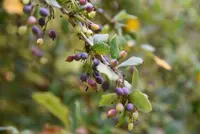
If fruit harvest is desired, net only a section of the canopy just as berries start to turn purple so birds still have access to some fruit while you secure a consistent crop when growing common serviceberry.

Common Pests and Diseases

Cedar-apple rust

This disease causes bright orange leaf spots and can lead to defoliation, reduced vigor, and cosmetic damage to fruit. Symptoms include yellowing leaves with orange lesions that may develop tiny black specks in the center.

Solution

Remove and destroy heavily infected leaves and fallen debris to reduce spores, and prune for better air circulation around the canopy. In regions with nearby junipers, consider removing infected juniper galls where practical and use a labeled myclobutanil or propiconazole fungicide preventively in early spring if the problem is severe or recurring.

Fire blight

This disease causes sudden blackening and shriveling of blossoms and young shoots, which often appear scorched and bent into a shepherd’s crook shape. Symptoms include oozing cankers on branches and twig dieback, especially after warm, wet spring weather.

Solution

Prune out infected shoots at least 20–30 cm below visible damage during dry weather, disinfecting pruning tools between cuts with 70% alcohol or a 10% bleach solution. Avoid high-nitrogen fertilizer, which promotes susceptible soft growth, and where fire blight pressure is historically high, consult local extension guidance on timing of copper or streptomycin sprays during bloom.

Apple scab

This disease produces olive-green to dark brown, velvety spots on leaves and sometimes on fruit, leading to premature leaf drop. Symptoms include thinning foliage and reduced ornamental quality, especially in cool, moist springs.

Solution

Rake and dispose of fallen leaves in autumn to lower the amount of overwintering fungus, and thin the canopy by selective pruning to improve light and airflow. In locations with annual issues, apply a labeled fungicide containing captan, myclobutanil, or similar active ingredient starting at bud break and repeating as directed during extended wet periods.

Pear slug sawfly

These insects feed on the upper surface of leaves, leaving a skeletonized appearance and sometimes causing early leaf drop. This pest is actually a sawfly larva that looks like a small, slimy, olive-green slug on the foliage.

Solution

Hose off larvae with a strong stream of water or dust leaves lightly with dry soil or diatomaceous earth to disrupt their slimy coating. For heavier infestations on larger shrubs or small trees, use a targeted product labeled for sawflies, such as spinosad or insecticidal soap, ensuring thorough coverage of the leaf surfaces.

Eriophyid mites

These mites cause distorted or blistered leaves and can form small pouch-like galls or rough patches on the foliage. This pest is microscopic, but the damage becomes visible as deformed leaves and irregular discoloration in spring and early summer.

Solution

Prune and discard heavily affected shoots to reduce mite populations and promote healthy new growth. In recurrent cases, apply horticultural oil just before bud break to target overwintering mites, and avoid broad-spectrum insecticides that can eliminate beneficial predatory mites that naturally keep populations in check.

Interesting Facts

Early spring bloomer

This species flowers very early in spring, often before its leaves fully expand, providing one of the first nectar and pollen sources for native bees and early-emerging pollinators.

Edible blueberry relatives

Its dark purple fruits are pomes botanically related to apples but look and taste more like blueberries, and are eaten by humans as well as many bird and small mammal species.

High wildlife value

The tree supports a wide range of Lepidoptera larvae (moth and butterfly caterpillars) and its fruit is a key food source for migratory birds, which helps disperse its seeds over long distances.

Botan icon

Did you know?

The common name serviceberry is widely believed to come from Appalachian communities, where its bloom time in early spring coincided with the thawing of mountain roads and the first opportunity for burial and memorial services that had been delayed over winter.

FAQs about common serviceberry

This species usually grows about 30–60 cm per year under good conditions. Growth is faster in moist, well-drained soil with full sun and regular mulch, and slower in dry, compacted, or shaded sites.

Grow Healthy Plants with Botan Care

Keep your plants happy and healthy with plant identification, disease detection, and easy care guidance.

Botan plant care app — identify plants on mobile

Explore More Plants