Wind training young trees
Stake young trees only loosely and remove the stakes after 1–2 years so the trunk can flex in wind, which encourages a stronger root system and sturdier wood structure.

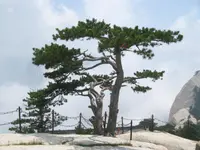
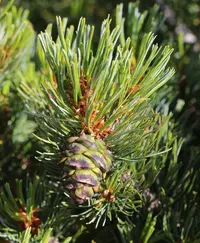
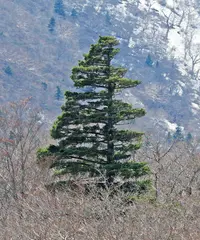
Chinese red pine, Pinus tabuliformis, is a long-lived evergreen conifer grown mainly as an outdoor landscape or reforestation tree. It forms a tall, straight trunk with a broad, layered crown and dense clusters of dark green needles.
This species is native to northern and central China and parts of Korea, where it tolerates cold winters, dry conditions, and poor, rocky soils. Its natural toughness makes it relatively low-maintenance once established, although young trees still need thoughtful site selection and basic support.
Those who want to learn how to care for Chinese Red Pine should know it prefers full sun, good air movement, and well-drained, slightly acidic soil. It is best suited to outdoor growing in temperate climates.

Care Difficulty
Moderate Care

Light Preference
Full Sun

Water Requirements
Low Water

Temperature Preference
Cold Hardy

Hardiness Zone
4–7

Soil Texture
Sandy, Loamy, Rocky

Soil pH
Acidic (5.5–6.5), Slightly acidic (6.5–7.0)

Soil Drainage
Well-drained

Fertilization
Minimal (feed rarely)
Scan your plant to receive care tips personalized for your specific plant
Available on iOS and Android
This pine thrives in full sun but accepts some light shade, especially in hot regions.
This species prefers deep, infrequent watering once established, with time to dry between soakings.
This hardy pine tolerates significant cold and heat when established in the landscape.
Humidity is rarely critical for Pinus tabuliformis, which copes well with a wide range of outdoor air conditions.
Pinus tabuliformis prefers lean, mineral soils that drain freely yet retain some moisture around the root zone.
This species can be grown in containers for many years if managed like a long-term outdoor bonsai or patio specimen.
This hardy conifer needs only modest feeding, especially when grown in the ground.
Pruning Pinus tabuliformis is usually light and focused on health and structure rather than size control.
This pine is most often transplanted outdoors rather than kept long term in containers.
Sexual propagation from seed is the standard method for Pinus tabuliformis and is slow but reliable.
This species is generally cold hardy and needs minimal winter care once established in the ground.

Plant Health Check
Not sure what's wrong with your plant? Check your plant's health inside the app.
Mature trees develop a distinctive flat, layered crown that looks like a series of broad horizontal plates, which is why the species is often called Chinese red pine or Chinese pine in landscape design literature.
This species is native to northern and northeastern China and adjacent parts of Korea, where it naturally tolerates long, cold winters and continental climates that many other pines from warmer regions cannot withstand.
Foresters in China have used this pine extensively in large shelterbelt and erosion‑control projects on degraded hillsides and loess soils because it establishes relatively well on poor, dry sites compared with many broadleaf trees.

In northern China, this species has long been planted around historic temples, graves, and official buildings, where centuries‑old specimens are valued as symbols of endurance and integrity and are sometimes specifically protected as cultural heritage trees.
This species grows at a moderate rate, typically adding 30–60 cm in height per year in good conditions. Growth is faster in deep, well-drained soil and full exposure, and slows in compacted or nutrient-poor sites.
Keep your plants happy and healthy with plant identification, disease detection, and easy care guidance.