twinleaf onion Care (Allium anceps)

Also known as: Kellogg's onion
twinleaf onion

About twinleaf onion

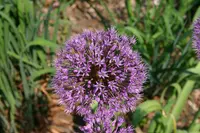
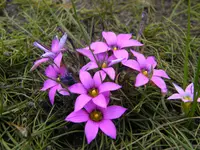
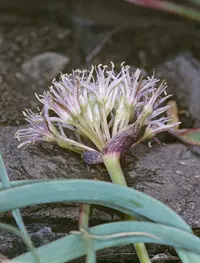
Twinleaf onion, Allium anceps, is a small perennial bulb in the onion family, native to dry, open habitats of the western United States. It forms clumps of narrow, grasslike leaves and produces delicate, starry pink to lavender flower clusters on short stalks in spring to early summer.

This species usually grows in rocky or sandy soils and often appears in sagebrush steppe or open woodland. Its compact size and drought tolerance make it suitable for rock gardens and naturalistic plantings, but it dislikes heavy, wet soils.

Gardeners who care for twinleaf onion should provide full sun, good drainage, and only moderate moisture, which keeps the bulbs healthy and long-lived.

Main Plant Requirements

Care Difficulty

Easy Care

Light Preference

Full Sun

Water Requirements

Low Water

Temperature Preference

Cold Hardy

Hardiness Zone

5–8

Soil Texture

Sandy, Loamy, Rocky

Soil pH

Slightly acidic (6.5–7.0), Neutral (7.0)

Soil Drainage

Well-drained

Fertilization

Minimal (feed rarely)

Get Personalized Care Plan

Scan your plant to receive care tips personalized for your specific plant

Available on iOS and Android

How to Care for the twinleaf onion

Allium anceps prefers strong light that mimics open, high-elevation habitats.

  • Provide 6–8 hours of direct sun daily; morning and mid-day sun are ideal, with light afternoon shade in hotter regions.
  • Twinleaf onion tolerates light partial shade, but flowering and clump density decline if it gets under 4–5 hours of sun.
  • In hot, lowland summers, protect from intense late-afternoon sun to reduce leaf scorch and drying of shallow bulbs.

Allium anceps prefers moderately dry conditions and is sensitive to prolonged wet soil.

  • Allow the top 3–5 cm of soil to dry before watering; soil should feel dry but not powdery around the bulbs.
  • During active growth and flowering, water deeply but infrequently, then reduce watering sharply once foliage begins to yellow and die back.
  • Watch for soft, collapsing bulbs or sour-smelling soil as signs of overwatering; limp, folding leaves and very light soil suggest underwatering.

This species is adapted to cool to warm conditions with cold winters and relatively dry summers.

  • Optimal growth occurs around 50–75°F (10–24°C) during spring, when shoots and flowers develop.
  • Dormant bulbs tolerate winter cold down to about 0°F (-18°C) in well-drained soil, but repeated freeze–thaw in wet ground increases rot risk.
  • Plants handle dry summer heat up to about 90°F (32°C) if soil is not waterlogged; prolonged hotter periods can shorten the foliage lifespan.

Allium anceps handles low ambient humidity well and rarely needs special adjustments.

Allium anceps prefers lean, well-drained, mineral-rich soil that mimics dry, rocky habitats.

  • Use sandy or gritty loam with 30–50% coarse sand, small gravel, or pumice to prevent water retention around bulbs.
  • Incorporate a small amount of compost or aged leaf mold for nutrients, but keep organic matter under 30% to avoid soggy conditions.
  • Aim for slightly acidic to neutral pH (6.0–7.2), avoiding strongly acidic or alkaline mixes that reduce nutrient availability.
  • For heavy clay sites, grow in raised beds or mounded rows amended deeply with grit to improve aeration and drainage.

This species can be grown in containers if drainage and a dry, open mix are maintained.

  • Choose a pot at least 20–25 cm deep so bulbs and roots can develop without crowding in the lower half of the container.
  • Select unglazed terracotta to allow faster evaporation, which helps keep the bulb zone dry between waterings.
  • Raise the pot on feet or bricks so drainage holes never sit in collected water, preventing rot at the base of the bulbs.

Allium anceps is a modest feeder that benefits from light nutrition during active growth.

  • Use a balanced, slow-release fertilizer (such as 10-10-10) or thin compost layer in spring as shoots emerge.
  • Apply fertilizer every 4–6 weeks through the main growing season if soil is poor; skip feeding in rich ground.
  • Dilute liquid feeds to 1/2 strength to avoid root and bulb burn, especially in containers.
  • For caring for twinleaf onion in lean native-type soils, focus more on good drainage than on heavy feeding.

Allium anceps needs only minimal pruning, mainly to keep clumps tidy and healthy.

  • Cut back spent flower stalks after blooming to prevent unwanted self-seeding and keep a neat appearance.
  • Remove yellowing or damaged leaves at the base with clean, sharp scissors or hand pruners to limit disease spread.
  • Avoid cutting green, healthy foliage, since it feeds the bulbs and supports next season’s flowering.
  • At season’s end, allow foliage to die back naturally before trimming, so bulbs fully recharge.

This species is usually grown in the ground, so care focuses on dividing and transplanting clumps rather than frequent repotting.

  • Transplant or divide clumps in fall after foliage dies back, when bulbs are dormant and stress is lower.
  • Look for overcrowded clumps, smaller flowering, or bulbs pushing to the surface as signs that division is needed.
  • Lift clumps gently with a garden fork, separate bulbs by hand, and replant at the original depth in well-drained soil.
  • Water lightly after transplanting to settle soil around roots, then allow the area to dry slightly to prevent rot.

Allium anceps is commonly propagated by bulb division and sometimes by seed under suitable conditions.

  • Divide mature clumps in fall when foliage has fully died back and bulbs are dormant for easier handling.
  • Gently separate offsets from parent bulbs and replant them at similar depth with 10–15 cm spacing in well-drained soil.
  • For seeds, sow fresh in fall outdoors or in cold frames to allow natural winter chilling for better germination.
  • Keep soil slightly moist, not wet, and provide full sun to light shade so young plants develop strong bulbs.

This cold-hardy species usually needs only simple winter preparation in typical temperate climates.

  • Tolerates normal frosts once established, especially in well-drained, gritty or sandy soil.
  • After foliage dies back, mark the planting area so dormant bulbs are not disturbed during winter work.
  • In very cold or exposed sites, add a thin 2–5 cm mulch layer to buffer temperature swings without waterlogging.
  • Container-grown plants can be moved to a cold, sheltered spot to avoid repeated freeze–thaw cycles around the bulbs.

Care Tips

Rocky mulch band

Create a 5–8 cm wide band of coarse gravel or small rocks around the clump to keep the bulb necks dry, suppress competing weeds, and mimic the plant’s natural rocky habitat when growing twinleaf onion.

Division timing

Lift and divide clumps only during full dormancy, when foliage is completely dry, then replant bulbs at the same depth within 1–2 hours to prevent desiccation of the basal plate.

Seed after-ripening

If collecting seed, store it dry at room temperature for 2–3 months before fall sowing to improve germination, then surface-sow in a gritty mix and expose to natural winter cold.

Slope or berm planting

Plant on a slight slope, berm, or raised edge of a bed so excess water runs off the bulbs, which reduces the risk of rot in wetter climates.

Minimal disturbance zone

Mark the colony with discreet stones or tags and avoid digging, treading, or heavy mulch in that area, since repeated disturbance weakens the bulbs and reduces flowering over time.

Common Pests and Diseases

onion thrips

This pest feeds on leaf surfaces, causing silvery streaks, tiny white patches, and gradual leaf drying on Allium species in dry, windy sites.

Solution

Reduce plant stress with regular but not excessive watering, then rinse foliage with a firm stream of water and remove heavily damaged leaves; in persistent cases, use a low-toxicity insecticidal soap or neem oil, applied in the evening to avoid leaf burn and to break the life cycle over several weeks.

onion leaf miners

These insects tunnel inside the leaves, leading to winding pale tracks, weakened foliage, and premature dieback, especially where wild onions grow near cultivated alliums.

Solution

Remove and destroy mined leaves as soon as damage is seen, avoid leaving plant debris around the clump, and use fine mesh row cover during peak fly activity if growing near vegetable onions to prevent egg-laying on emerging foliage.

downy mildew

This disease causes pale yellow patches on leaves that turn brown and may show a faint gray or purple fuzz in cool, moist conditions.

Solution

Improve air movement around plants, avoid overhead watering late in the day, and remove and dispose of infected foliage; in problem-prone sites, rotate planting areas and consider applying a labeled copper-based fungicide preventively during prolonged cool, damp weather as part of Allium anceps care.

basal bulb rot

Symptoms include yellowing and collapse of leaves starting from the base, with bulbs becoming soft, brown, and sometimes carrying a faint sour or moldy odor in poorly drained soil.

Solution

Dig up and discard affected bulbs, loosen or amend soil with grit to improve drainage, and avoid overwatering or planting in low spots; for future plantings, use only firm, healthy bulbs and space them so the soil dries between waterings.

Interesting Facts

Desert canyon specialist

This species is naturally restricted to arid canyon and rocky slope habitats of the Great Basin and Intermountain West, often growing in thin, gravelly soils where few other bulbous plants persist.

Twinned leaf structure

Its common name comes from the pair of flat, straplike leaves that emerge together and lie close to the ground, a growth form that helps reduce water loss and wind damage in exposed sites.

Early-season nectar source

The pale pink to lavender umbels open in late spring to early summer and provide one of the earlier nectar and pollen sources for native bees in its dry high-elevation range.

Botan icon

Did you know?

Allium anceps is one of a relatively small number of North American wild onions documented as a traditional wild food by Indigenous communities, who harvested its bulbs and leaves seasonally in specific canyon and plateau locations.

FAQs about twinleaf onion

Lack of blooms usually comes from insufficient sunlight, overly rich or wet soil, or overcrowded bulbs. Ensure full sun, well-drained, lean soil, and divide crowded clumps every few years to restore flowering.

Grow Healthy Plants with Botan Care

Keep your plants happy and healthy with plant identification, disease detection, and easy care guidance.

Botan plant care app — identify plants on mobile

Explore More Plants