wild goose plum Care (Prunus munsoniana)

wild goose plum

About wild goose plum

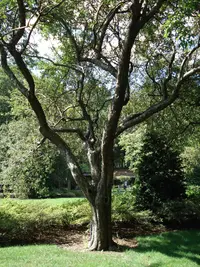
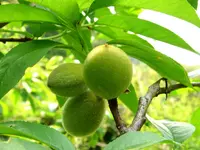
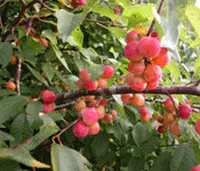
Wild goose plum, Prunus munsoniana, is a small deciduous tree or large shrub in the rose family, related to other North American wild plums. It typically has an open, spreading habit with short trunks, thorny branches, and white spring blossoms followed by small, tart fruits.

This species is native to the south-central United States, where it often forms thickets along woodland edges, fencerows, and disturbed sites. It grows best in full sun to light shade, with moderately moist, well-drained soils.

Its toughness, cold tolerance, and adaptability to different soils make it relatively straightforward to care for wild goose plum in suitable climates, though it benefits from space to spread and good air movement.

Main Plant Requirements

Care Difficulty

Moderate Care

Light Preference

Full Sun

Water Requirements

Moderate Water

Temperature Preference

Cold Hardy

Hardiness Zone

6–9

Soil Texture

Sandy, Loamy, Clay

Soil pH

Acidic (5.5–6.5), Slightly acidic (6.5–7.0)

Soil Drainage

Well-drained

Fertilization

Minimal (feed rarely)

Get Personalized Care Plan

Scan your plant to receive care tips personalized for your specific plant

Available on iOS and Android

How to Care for the wild goose plum

Prunus munsoniana thrives in full sun but accepts some light shade in hot regions.

  • Aim for 6–8 hours of direct sun daily, with morning sun and light afternoon shade ideal in hotter USDA zones 8–9.
  • Young trees and wild goose plum saplings benefit from some filtered light during the first 1–2 summers to reduce leaf scorch and transplant stress.
  • Too much dense shade leads to weak, spindly growth and reduced flowering and fruiting, while intense all-day sun in drought can cause leaf scorch without adequate soil moisture.

Water needs for Prunus munsoniana focus on deep, infrequent soaking and good drainage.

  • Irrigate when the top 5–8 cm of soil feels dry, applying a slow, deep soak rather than light surface sprinkling to encourage deep roots.
  • During the first 2–3 growing seasons, check moisture weekly in dry weather; in established trees, prioritize watering only during extended droughts.
  • Yellowing leaves, soft new growth, or persistent wet soil indicate overwatering, while limp, browning leaf edges and early leaf drop signal underwatering or drought stress.

This species is a cold-hardy plum adapted to temperate outdoor conditions.

  • Active growth occurs best around 65–80°F (18–27°C), with vigorous vegetative and root development during spring and early summer.
  • Dormant trees usually tolerate winter lows near 0°F (−18°C) once established, though young plants benefit from protection from drying winds and heaving soil.
  • Short periods above 90°F (32°C) are tolerated if soil moisture is adequate; extended heat or sudden late frosts after budbreak can damage blossoms and reduce fruit set.

Humidity plays a minor role for this hardy outdoor plum species.

Prunus munsoniana prefers moderately fertile, well-structured mineral soil that drains freely yet holds some moisture.

  • Use a loamy or sandy-loam soil with 3–4 in of compost incorporated into the top layer for organic matter and water retention.
  • Aim for slightly acidic to neutral pH around 6.0–7.0 to support nutrient availability and healthy root function.
  • Improve drainage and aeration on heavy sites by mixing in coarse sand or fine gravel plus compost, creating a crumbly, friable structure.
  • Avoid compacted clay, standing water, or saline conditions, which promote root rot and weak growth.

This species can be grown in containers for a limited period, mainly for young plants or patio specimens.

  • Choose a deep, heavy container that resists tipping as the woody canopy gains height and catches wind.
  • Use a sharply draining mix, such as 60% loam with 20% coarse sand and 20% compost, to limit waterlogging around woody roots.
  • Position the container where runoff cannot pool around the base, since water trapped under the pot can keep the root zone saturated.

This native plum usually needs only modest feeding, especially when grown in the ground on reasonably fertile soil.

  • Apply a light layer of compost around the root zone in early spring to support flowering and fruiting in wild goose plum.
  • Use a balanced slow-release fertilizer (around 10-10-10) at half strength once in early spring for young or container-grown plants.
  • Avoid midsummer to fall feeding so new growth hardens before winter; do not fertilize dormant trees in winter.
  • Water thoroughly after applying any fertilizer to reduce root burn and help nutrients move into the soil.

Prunus munsoniana responds well to thoughtful structural pruning that maintains health and access to light.

  • Schedule main pruning for late winter to very early spring, before bud break, when the tree is still dormant.
  • Remove dead, diseased, crossing, or inward-growing branches first, using clean, sharp bypass pruners or a pruning saw.
  • Thin crowded interior branches to improve airflow and light penetration, which supports better flowering and reduces disease pressure.
  • Shorten excessively long shoots to maintain a balanced, open crown without cutting back into large, old limbs unless necessary.

This species is usually grown in the ground, so focus on careful transplanting rather than frequent repotting.

  • Transplant young trees in late fall or very early spring when dormant, which limits stress and water loss.
  • Look for circling roots, poor vigor, or a root-bound container as signs a nursery plant is ready to move into the landscape.
  • Dig a wide planting hole, loosen any circling roots, set the tree at the same depth, and backfill with native soil, not rich potting mix.
  • Water deeply after planting, mulch 5–8 cm away from the trunk, and keep soil evenly moist for the first 1–2 growing seasons.

New plants are typically raised from seed, with some use of suckers or hardwood cuttings in managed settings.

  • Collect ripe fruit in late summer to fall, clean seeds, and sow outdoors in fall for natural cold stratification over winter.
  • For controlled seedling production, stratify cleaned seeds in moist medium at about 34–41°F for 90–120 days, then sow in spring.
  • Lift and transplant rooted suckers in late winter or early spring, keeping as much root attached as possible and planting immediately.
  • Take hardwood cuttings in late winter, treat the base with rooting hormone, and root in a well-drained, moist, sandy medium under cool conditions.

This plum is generally cold hardy in its native range and usually needs minimal winter care once established.

  • Apply 5–8 cm of organic mulch over the root zone in late fall, keeping it slightly away from the trunk to reduce rot risk.
  • For young or newly transplanted trees, add an extra mulch layer and ensure good soil moisture before the ground freezes.
  • If grown in containers in colder zones, move pots into an unheated garage or against a sheltered wall to prevent root freezing.

Care Tips

Encourage Cross-Pollination

Plant at least 2 genetically different wild goose plum seedlings within 15–30 ft and avoid heavy pesticide use during bloom to improve pollination and fruit set.

Manage Suckering Growth

Inspect the root zone 2–3 times per year and cut suckers at or below soil level to prevent thickets and direct energy into the main trunk for stronger structure.

Strategic Fruit Thinning

If branches are heavily loaded, remove about half the young fruits so remaining plums size up better and limbs are not stressed or broken by excess weight.

Trunk And Graft Protection

Install a light-colored tree guard or hardware cloth cylinder around the lower trunk to reduce sunscald, rodent damage, and mechanical injury from tools or mowers.

Low-Spray Pest Strategy

Use a dormant horticultural oil spray in late winter and keep fallen leaves and mummified fruits cleared to reduce overwintering pests and diseases when growing wild goose plum.

Common Pests and Diseases

Black knot

This disease causes rough, black, swollen galls on twigs and branches that gradually girdle and kill affected wood. Symptoms include reduced vigor and dieback on heavily infected trees.

Solution

Prune out galls during dormancy, cutting 15–20 cm below visible swelling, and destroy all removed material away from the tree. Maintain good spacing and airflow, avoid overhead irrigation, and in high-pressure areas consider a registered fungicide spray program starting at bud break according to local extension guidance for Prunus munsoniana care.

Plum leaf scald

This disease leads to yellowing and browning of leaves from the tips inward, premature leaf drop, and general decline, often associated with xylem-infecting bacteria spread by leafhoppers. Symptoms include reduced shoot growth and thinning foliage over time.

Solution

Remove and destroy severely affected branches to reduce bacterial load, and keep the tree well watered but not waterlogged to limit stress. Manage nearby weedy hosts, encourage beneficial insects that prey on leafhoppers, and consult local extension services about region-appropriate insect management if leafhopper pressure is high.

Plum curculio

This pest is a small beetle whose larvae tunnel inside developing fruit, causing crescent-shaped scars, misshapen plums, and premature fruit drop. This pest is especially troublesome on wild and unmanaged plum thickets that act as reservoirs.

Solution

Collect and destroy dropped fruit weekly during the season to break the life cycle, and prune dense thickets to improve access and monitoring. In higher-pressure sites, use trunk banding or targeted insecticide sprays timed to petal fall and early fruit set based on local extension recommendations for growing wild goose plum.

Plum pocket

This disease causes fruits to become enlarged, pale, hollow, and spongy, often dropping before ripening. Symptoms include distorted, seedless plums with a whitish surface bloom that later turns brown.

Solution

Remove and destroy all affected fruits as soon as they are noticed, and rake up debris under trees at the end of the season. In sites with a history of plum pocket, apply a labeled fungicide just before bud swell in late winter or very early spring, and keep the canopy pruned for better airflow and faster drying after rain.

Shot hole disease

This disease produces small purple or brown leaf spots that dry out and fall away, leaving a characteristic “shot hole” appearance, and may also cause spotting on young twigs and fruit. Symptoms include premature leaf drop when infections are severe or repeated over years.

Solution

Rake and dispose of fallen leaves and prunings to reduce overwintering spores, and avoid prolonged leaf wetness by using drip irrigation instead of overhead watering. If the problem recurs annually and is severe, apply a copper-based or other labeled fungicide at dormancy and again around bud break, following label directions and local extension advice for timing on plums.

Interesting Facts

Hybridizing plum species

This wild goose plum naturally hybridizes with nearby native plums, especially within the Prunus americana complex, which contributes to high genetic diversity and makes identification in the wild more difficult for botanists.

Ozark and Interior South native

The species is native mainly to the Ozark Plateau and surrounding parts of the south-central United States, where it grows in woodland edges, fencerows, and thickets rather than in fully open prairie habitats.

Wildlife food resource

Its small, tart fruits are eaten by many bird and mammal species, which disperse the seeds and help maintain scattered populations across its range, an important point for Prunus munsoniana care in habitat restoration projects.

FAQs about wild goose plum

Lack of bloom usually results from insufficient sun, pruning at the wrong time, or the tree being too young. Late frost can also kill flower buds. Avoid heavy spring pruning and protect buds from late freezes where possible.

Grow Healthy Plants with Botan Care

Keep your plants happy and healthy with plant identification, disease detection, and easy care guidance.

Botan plant care app — identify plants on mobile

Explore More Plants