Native Bryony Care (Diplocyclos palmatus)

Also known as: Lollipop-climber, Lollypop Climber, Marble Vine, Striped Cucumber
Native Bryony

About Native Bryony

Native bryony, Diplocyclos palmatus, is a fast-growing climbing vine in the cucumber family. It is grown mainly for its decorative, striped green-and-white fruits and lobed leaves. The plant occurs naturally in tropical and subtropical regions of Africa and Asia, often in thickets, forest edges, and disturbed sites where it can scramble over other vegetation. It is vigorous and can become weedy outdoors in warm climates, but is usually manageable in controlled garden spaces. The vine prefers warm temperatures, consistent moisture, and well-drained soil, which makes it moderately easy to grow where frost is not a major issue. Gardeners who want to care for Native Bryony should be aware of its potential to spread and its toxic fruit.

Main Plant Requirements

Care Difficulty

Moderate Care

Light Preference

Full Sun

Water Requirements

Regular Water

Temperature Preference

Tropical / Frost Sensitive

Hardiness Zone

10–12

Soil Texture

Sandy, Loamy, Organic-rich

Soil pH

Acidic (5.5–6.5), Slightly acidic (6.5–7.0)

Soil Drainage

Moist but well-drained

Fertilization

Light (every 4–6 weeks)

Get Personalized Care Plan

Scan your plant to receive care tips personalized for your specific plant

Available on iOS and Android

How to Care for the Native Bryony

This vigorous climbing vine needs bright outdoor conditions to produce healthy foliage and fruit.

  • Provide 4–6 hours of direct morning sun with light or dappled shade in the hot afternoon, especially in warm climates.
  • Native Bryony tolerates partial shade, but growth and fruiting decline if it receives less than about 3–4 hours of direct or strong filtered light per day.
  • In summer, protect from harsh reflective heat that can scorch leaves; in cooler months, choose the sunniest spot to extend the growing season.

This plant prefers steadily moist, well-drained soil rather than extremes of dryness or saturation.

  • Before watering, check that the top 3–5 cm of soil have dried slightly; then water deeply so moisture reaches the root zone, allowing excess to drain away.
  • During hot, dry periods, expect to water more often as leaves lose moisture quickly; in cooler or rainy seasons, reduce watering to avoid prolonged sogginess.
  • Wilting with dry soil indicates underwatering, while yellowing, soft stems, or a sour smell in the root zone suggest overwatering in Diplocyclos palmatus.

This warm-season climber grows best in consistently mild to hot conditions without frost exposure.

  • Aim for an active growth range of about 70–86°F (21–30°C), which supports rapid vine development and flowering.
  • Growth slows noticeably below 60°F (16°C), and the plant is usually damaged or killed by frost near 32°F (0°C), so protect it in cold snaps.
  • In heat above 95°F (35°C), provide soil mulching and some afternoon shade to reduce stress and prevent leaf scorch.

This vigorous climber grows best in moderately humid conditions but tolerates a range of indoor levels.

  • Aim for 50–70% humidity for steady growth and healthier foliage on Native Bryony.
  • It tolerates brief dips to 35–40%, but prolonged very dry air can slow growth and reduce leaf size.
  • Crisping leaf edges or curling tips indicate low humidity; use a pebble tray or nearby humidifier to raise levels.

This species prefers a loose, well-aerated, free-draining soil that still holds consistent moisture.

  • Use a mix such as 50% loam-based potting mix, 30% coarse sand, and 20% compost for structure and nutrients.
  • Ensure fast drainage with visible pore spaces; add perlite or pumice if water lingers on the surface for more than a few minutes.
  • Slightly acidic to neutral pH around 6.0–7.0 suits Diplocyclos palmatus, avoiding strongly alkaline substrates that can limit nutrient uptake.
  • Avoid heavy clay, compacted ground, or constantly waterlogged beds, which encourage root suffocation and fungal problems.

This climbing vine is suitable for container growing when given adequate support and root space.

  • Choose a deep, heavy container to counterbalance the vine’s climbing habit and reduce tipping in wind.
  • Select unglazed terracotta if excess moisture retention is an issue, as it allows faster evaporation through the pot walls.
  • Set the container on pot feet or bricks so drainage holes clear freely and runoff cannot reabsorb into the root zone.

Diplocyclos palmatus benefits from light, balanced feeding during its active growing season.

  • Use a balanced liquid fertilizer (for example 10-10-10) at 1/2 strength every 4–6 weeks in spring and summer.
  • Apply to moist soil only, never to dry roots, to reduce fertilizer burn risk.
  • Skip feeding in winter dormancy and resume once new growth appears.
  • For a more natural approach to caring for Native Bryony, top-dress with a thin layer of compost instead of frequent liquid feedings.

Pruning Diplocyclos palmatus helps manage its vigorous vining growth and maintains a tidy framework.

  • Carry out main pruning in late winter or early spring before strong new growth starts.
  • Remove dead, damaged, or diseased stems first, cutting back to healthy tissue with clean, sharp pruners.
  • Thin out tangled or crowded vines to improve airflow and light penetration along the trellis or support.
  • Lightly shorten overlong shoots during the season to control spread and guide the vine’s shape.

This vigorous climber is more often transplanted in the ground than kept long term in small containers.

  • Plan transplanting for late spring once soil is warm and frost risk has passed.
  • Look for roots circling the pot base, poor drainage, or slowed growth as signs a container plant needs a larger space.
  • Shift carefully, keeping the root ball intact and disturbing roots as little as possible to limit transplant shock.
  • Replant in well-drained soil, water thoroughly, then shade for a few days to let roots re-establish.

Diplocyclos palmatus is most commonly raised from seed under warm, bright conditions.

  • Sow fresh seeds in spring in a free-draining seed mix, kept at 70–80°F for reliable germination.
  • Scarify hard seed coats lightly with sandpaper or a nick with a blade to speed water uptake.
  • Maintain even moisture but avoid waterlogging, and provide bright light once seedlings emerge.
  • Harden off young plants gradually outdoors before planting in their final position.

This tender vine is not frost hardy and needs protection in colder climates.

  • In regions below about 40°F in winter, grow in containers and move plants indoors before the first frost.
  • Outdoors in mild climates, apply a 5–8 cm mulch layer around the root zone to stabilize soil temperature.
  • Provide indoor plants with bright light, reduced watering, and no fertilizer while growth slows.

Care Tips

Early vine training

Install a sturdy trellis, fence, or wire netting before the first tendrils appear so the young vines can be gently guided and tied with soft ties, preventing tangling and stem damage later in the season.


Fruit load management

If vines set very heavily, remove a portion of young fruits along crowded sections so the remaining fruits size up better and the plant does not exhaust itself, especially in containers or marginal climates.

Mulch for root stability

Apply a 5–8 cm layer of organic mulch around but not touching the stem base to keep the shallow roots cool, suppress weeds, and buffer swings in soil moisture during hot spells.

Targeted pest scouting

Inspect the undersides of leaves and young shoot tips at least weekly for leaf miners, beetles, and chewing caterpillars, removing affected leaves or pests by hand before they spread along the vine.

Seasonal renewal pruning

At the end of the growing season, cut back old, woody stems and remove any diseased or dead growth so that new shoots in the next cycle arise from healthy tissue, which simplifies caring for Native Bryony over time.

Common Pests and Diseases

Red pumpkin beetle

This pest feeds on young leaves, flowers, and tender shoots, often leaving irregular holes and skeletonized foliage on vines in the cucumber family like Diplocyclos palmatus.

Solution

Hand-pick adults early in the morning and destroy them, remove heavily damaged leaves, and use fine insect netting over young plants; where pressure is high, apply a neem oil or spinosad spray directed to leaf surfaces, repeating as needed according to label directions.

Cucumber beetle

These insects chew on foliage and flowers and can also vector bacterial and viral diseases that cause wilting or mottling of leaves.

Solution

Monitor plants regularly, shake beetles off into soapy water, and use yellow sticky traps or row covers to reduce populations; in heavier infestations, use spot treatments with neem oil or pyrethrin-based products while maintaining good weed control around the planting area to reduce breeding sites.

Leaf spot

This disease causes small brown or dark, sometimes water-soaked spots on leaves that can merge and lead to yellowing and early leaf drop in warm, humid conditions.

Solution

Remove and discard affected leaves, avoid wetting foliage during irrigation, and improve spacing and airflow; in persistent cases, apply a copper-based or chlorothalonil fungicide as a preventive spray, particularly before extended periods of rain or high humidity.

Powdery mildew

This disease produces white, powdery fungal growth on upper leaf surfaces, leading to dull, distorted leaves and reduced vigor, especially on crowded or shaded vines.

Solution

Prune or guide vines to increase light and airflow, remove the most affected leaves, and avoid overhead watering; apply sulfur, potassium bicarbonate, or horticultural oil formulations labeled for powdery mildew at the first sign of symptoms, repeating at intervals under conducive conditions.

Interesting Facts

Distinctive marble fruits

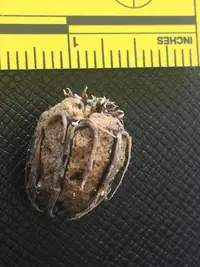
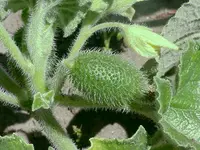
The plant produces small, round berries with pale cream or yellow longitudinal stripes on a green to red background, giving a marbled or striped appearance that makes the fruits visually striking but also easily mistaken for edible berries.

Cucurbit family member

This species belongs to the Cucurbitaceae, the cucumber and gourd family, and shows typical vine traits such as tendrils, separate male and female flowers on the same plant, and a climbing or scrambling growth habit in thickets and forest edges.

Tropical Old World range

It is native to tropical regions of the Old World, including parts of Africa, South Asia, and Southeast Asia, where it grows in disturbed sites, hedgerows, and along forest margins, often naturalizing in secondary vegetation.

Botan icon

Did you know?

The fruits and seeds of this species are known to be toxic to humans and livestock if ingested, a trait that likely evolved as a chemical defense against herbivory and that makes correct identification and handling important when it grows near cultivated or foraged plants.

FAQs about Native Bryony

All parts are considered toxic if eaten, especially the brightly patterned fruits and seeds. Ingestion may cause vomiting, diarrhea, abdominal pain, and other symptoms. Keep this vine away from children, pets, and livestock.

Grow Healthy Plants with Botan Care

Keep your plants happy and healthy with plant identification, disease detection, and easy care guidance.

Botan plant care app — identify plants on mobile

Explore More Plants