sweetpea Care (Lathyrus odoratus)

Also known as: Guisante de Olor
sweetpea

About sweetpea

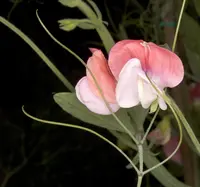
Sweetpea, Lathyrus odoratus, is an annual flowering vine grown for its fragrant, colorful blooms and delicate, ruffled petals. It climbs using tendrils and often needs support such as a trellis or netting.

This plant is native to the Mediterranean region and thrives in cool, mild conditions rather than intense summer heat. Flowers appear along slender stems in shades of pink, purple, white, and red.

Sweetpea is moderately easy to grow if its basic needs are met. It prefers full sun in cool climates, regular moisture, and well-drained, fertile soil. Understanding how to care for sweetpea helps maintain strong growth and better flowering.

Main Plant Requirements

Care Difficulty

Moderate Care

Light Preference

Full Sun

Water Requirements

Regular Water

Temperature Preference

Cool Climate

Hardiness Zone

2–9

Soil Texture

Loamy, Sandy, Organic-rich

Soil pH

Acidic (5.5–6.5), Slightly acidic (6.5–7.0)

Soil Drainage

Moist but well-drained

Fertilization

Light (every 4–6 weeks)

Get Personalized Care Plan

Scan your plant to receive care tips personalized for your specific plant

Available on iOS and Android

How to Care for the sweetpea

This climbing annual needs strong light to flower well without scorching.

  • Provide 6–8 hours of direct sun daily, with morning sun and light afternoon shade ideal, especially in hotter regions.
  • Tolerates light partial shade (around 4–5 hours direct sun), but sweetpea will produce fewer, weaker stems and flowers in too little light.
  • In late spring and summer, protect from intense midafternoon sun in hot climates to reduce leaf scorch and wilting, especially in dry, exposed sites.

This plant prefers steadily moist, well‑drained soil rather than extremes of wet or dry.

  • Water when the top 2–4 cm of soil feels dry, soaking the root zone deeply so moisture reaches at least 15–20 cm down.
  • During cool spring growth, check soil every few days; in hot, windy weather, monitor daily since wilting, dull leaves, and dry topsoil indicate thirst.
  • Avoid waterlogged soil; yellowing lower leaves, soft stems, or a sour smell suggest overwatering, especially in heavy or compacted ground.

This cool‑season annual performs best in mild conditions and struggles in strong heat or hard frost.

  • Optimal growth occurs around 50–70°F (10–21°C), with sturdy stems and abundant flower buds in this range.
  • Plants tolerate light frosts down to about 28°F (-2°C) once established, but prolonged freezes below this can kill young Lathyrus odoratus.
  • Flowering declines when daytime highs exceed 80–85°F (27–29°C); in warmer climates, sow early so main growth happens in cool spring or mild winter.

Lathyrus odoratus prefers outdoor conditions with moderate air humidity but is not highly sensitive to indoor humidity levels.

  • Aim for 40–60% humidity, which is typical in most temperate outdoor climates during the growing season.
  • Plants tolerate brief dry air spells, but prolonged hot, very dry winds can crisp leaf edges and shorten flowering.
  • Increase local humidity during very dry weather by mulching the soil surface and watering early in the day rather than misting foliage.

Lathyrus odoratus grows best in deep, well-structured soil that holds moisture yet drains freely.

  • Use a loamy soil rich in organic matter, incorporating garden compost or well-rotted manure to improve structure and nutrient supply.
  • Ensure drainage is free by avoiding compacted or heavy clay; lighten dense soil with coarse sand and fine bark to improve aeration.
  • Aim for a slightly alkaline to neutral pH around 6.5–7.5; on acidic sites, mix in garden lime before sowing or planting.
  • Avoid waterlogged, sticky, or very shallow soils, which restrict roots and increase root rot risk, especially in cool spring conditions.

This species is suitable for container growing when given enough depth and support for climbing stems.

  • Choose a container at least 30–40 cm deep to allow the long taproot to extend without circling tightly.
  • Use a heavy or weighted pot, or secure the base, so the container remains stable once the plant climbs a trellis or support frame.
  • Position support structures inside the pot at planting time so roots grow around them and the container does not tip as vines gain height.

Lathyrus odoratus benefits from modest feeding to sustain flowering in nutrient-poor soils.

  • Use a balanced NPK fertilizer (for example 10-10-10) or well-rotted compost in early spring before vigorous growth starts.
  • Apply a diluted liquid feed at 1/2 strength every 2–3 weeks during active growing and flowering for caring for sweetpea.
  • Avoid high-nitrogen products that cause leafy growth at the expense of blooms and can weaken stems.
  • Stop feeding in late summer as plants decline, and do not fertilize during winter or when plants have fully died back.

Pruning Lathyrus odoratus focuses on deadheading and tidying to extend flowering and keep vines manageable.

  • Begin in late spring and continue through summer, regularly removing spent flowers to encourage new buds instead of seed formation.
  • Cut back weak, tangled, or crowded stems at the base with clean, sharp scissors or hand pruners to improve air flow.
  • Pinch soft tips of young vines to encourage branching and create a fuller wall or trellis coverage.
  • At season’s end, cut all top growth to ground level and discard vines to reduce disease carryover to the next year.

Sweet pea is usually transplanted rather than long-term potted, as it has a sensitive taproot.

  • Transplant seedlings when roots just fill biodegradable pots or when you see roots at drainage holes but before circling occurs.
  • Plant out in early spring as soon as soil is workable and frost risk is low in your area, hardening off plants for 7–10 days.
  • Move seedlings with as much rootball intact as possible, disturb roots minimally, and water thoroughly to reduce transplant shock.
  • Treat Lathyrus odoratus as an annual, so container plants are rarely repotted; start fresh each season rather than upsizing pots.

Lathyrus odoratus is most commonly propagated from seed, which suits its annual life cycle.

  • Sow seeds in late winter to early spring under cover, or directly outdoors once soil is workable and frost risk decreases.
  • Nick the seed coat lightly or soak seeds for 6–12 hours to improve water uptake and speed germination.
  • Use a free-draining seed mix, keep temperature around 55–65°F, and maintain even moisture but avoid waterlogging.
  • Provide bright light once seedlings emerge, then thin or separate gently to prevent crowding and weak, stretched growth.

Lathyrus odoratus is grown as a cool-season annual and typically does not overwinter in most climates.

  • Plants tolerate light frost but are damaged by hard freezes, especially prolonged temperatures below about 25°F.
  • In mild coastal or Mediterranean climates, a light mulch can help roots of fall-sown plants through short cold spells.
  • Container-grown sweet peas in borderline areas can be moved to a cold frame or unheated but frost-sheltered porch.
  • Once plants are killed by winter cold, remove and compost vines; new plants are raised from seed each season.

Care Tips

Early support setup

Install a sturdy trellis or netting at sowing time so young vines can latch on immediately, which prevents root disturbance and reduces stem breakage later in the season.

Regular tendril training

Guide and loosely tie main stems to vertical supports every few days so plants climb evenly, improving airflow through the foliage and reducing the risk of mildew and aphids.

Heavy bloom deadheading

Cut off all fading flowers and do not allow seedpods to develop, as this directs energy back into continuous flowering rather than seed production.

Cool roots mulching

Apply a 3–5 cm layer of light, loose organic mulch around the base after seedlings are established to keep roots cool, conserve moisture, and reduce weed competition without burying stems.

Staggered sowing plan

Make 2–3 sowings spaced 2–3 weeks apart in suitable climates so flowering is extended, giving a longer harvest window for cut flowers when growing sweetpea.

Common Pests and Diseases

Powdery mildew

This disease causes white, powdery patches on leaves, stems, and buds, often appearing in warm days and cool, humid nights. Symptoms include distorted new growth and premature leaf yellowing and drop.

Solution

Improve air circulation around plants, avoid overhead watering, and water at the base in the morning. Remove and discard heavily affected leaves, then apply a sulfur or potassium bicarbonate fungicide labeled for ornamental annuals to protect remaining foliage, especially in periods favorable for powdery mildew.

Aphids

These insects cluster on tender shoots, buds, and undersides of leaves, sucking sap and causing curling, yellowing, and sticky honeydew deposits. This pest can also lead to sooty mold growth on leaves and reduced flowering.

Solution

Dislodge colonies with a firm stream of water, focusing on shoot tips and leaf undersides. For ongoing infestations, use insecticidal soap or a horticultural oil spray, applied in the early morning or evening, and remove heavily infested shoot tips to reduce population buildup when caring for sweetpea.

Pea thrips

These insects are tiny, slender pests that feed inside flowers and on young foliage, causing silvery streaks, deformed petals, and browning or shriveling of blooms. Symptoms include reduced flower quality and early drop of buds.

Solution

Remove and discard heavily damaged flowers and nearby plant debris to reduce breeding sites. Use blue or yellow sticky traps to monitor activity and apply a low-toxicity product such as insecticidal soap or spinosad, ensuring good coverage of buds and flower clusters.

Pea weevil

This pest lays eggs on developing peas, and the larvae bore into seeds, leading to small round exit holes and poor seed quality. Symptoms include distorted or partially filled pods and reduced viability of saved seed.

Solution

Pick and destroy affected pods before adults emerge, and avoid saving seed from infested plants. Rotate sweetpeas to a different area each year and clean up all plant debris after flowering to break the life cycle of the weevil.

Pea enation mosaic virus

This disease causes mottled, yellow-green leaves with blistered or enated (raised) areas, along with stunted growth and reduced flowering. Symptoms include distorted pods and an overall decline in plant vigor.

Solution

Remove and destroy infected plants promptly to limit virus spread, and control aphids, which commonly transmit this virus, using insecticidal soap or horticultural oil. Avoid planting sweetpeas near infected pea crops, and use clean seed from reputable sources to reduce the risk of introducing the virus.

Interesting Facts

Scent from volatile oils

The strong fragrance of sweet pea flowers comes from a complex mix of volatile organic compounds, including alcohols and esters, which differ between old-fashioned and modern cultivars and explain why some varieties are almost scentless.

Toxic but not sweet

Despite the name sweet pea, all parts of Lathyrus odoratus are poisonous if eaten, and the seeds in particular contain neurotoxic compounds that can cause lathyrism, a neurological disorder, in humans and animals when consumed in quantity.

Self-pollination strategy

Sweet pea flowers are adapted for insect pollination but can also self-pollinate, because the anthers usually release pollen onto the stigma while the flower is still only partly open, ensuring seed production even when pollinators are scarce.

Botan icon

Did you know?

Sweet peas played an important role in early genetics research: at the start of the 20th century, British geneticist William Bateson used Lathyrus odoratus in classic breeding experiments that helped confirm Mendel’s laws of inheritance and introduced terms like genetics, allele, and homozygous into biology.

FAQs about sweetpea

Poor flowering usually comes from high temperatures, excess nitrogen fertilizer, or letting pods form. Deadhead spent flowers, avoid strong summer heat, and feed with a balanced or low‑nitrogen fertilizer to support bud formation and extended bloom.

Grow Healthy Plants with Botan Care

Keep your plants happy and healthy with plant identification, disease detection, and easy care guidance.


Botan plant care app — identify plants on mobile

Explore More Plants