


Deadhead For Reblooms
Remove spent flower heads as soon as petals shrivel by cutting or pinching just below the flower stem, which redirects energy into new buds and keeps the plant compact.

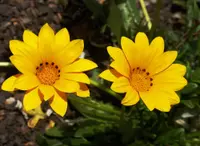
Treasure flower, Gazania rigens, is a low-growing, sun-loving ornamental often used in borders, rock gardens, and containers. It forms tight clumps of narrow, silvery-green leaves. The plant produces large, daisy-like blooms in vivid shades of yellow, orange, pink, and red, often with contrasting central rings. Flowers typically open in bright light and close in low light or at night. Native to South Africa, it is adapted to dry, coastal, and sandy habitats, which makes it relatively drought-tolerant and well suited to poor soils. These traits make it straightforward to care for Treasure flower in warm, sunny climates with well-drained soil and moderate watering.

Care Difficulty
Easy Care

Light Preference
Full Sun

Water Requirements
Low Water

Temperature Preference
Warm Climate

Hardiness Zone
9–11

Soil Texture
Sandy, Loamy, Rocky

Soil pH
Slightly acidic (6.5–7.0), Neutral (7.0)

Soil Drainage
Well-drained

Fertilization
Minimal (feed rarely)
Scan your plant to receive care tips personalized for your specific plant
Available on iOS and Android
Gazania rigens thrives in strong sun and produces best flowering in open, exposed sites.
This drought-tolerant species prefers infrequent, deep watering over constant surface moisture.
This plant prefers warm, dry conditions and reacts quickly to frost or prolonged cold.
Gazania rigens handles a wide humidity range and rarely needs special humidity control indoors or outdoors.
This species prefers lean, sharply drained soil that mimics dry, coastal or rocky sites.
This species is well suited to container growing in sunny, exposed locations.
Gazania rigens benefits from light, targeted feeding during its active growing season.
Gazania rigens responds well to light, ongoing pruning that maintains compact growth and continuous blooms.
Gazania rigens is more often transplanted in garden beds than kept long term in containers.
Gazania rigens is commonly propagated from seed and, in mild climates, sometimes by basal cuttings.
Gazania rigens is tender to moderate frost and needs some winter care in colder regions.

Plant Health Check
Not sure what's wrong with your plant? Check your plant's health inside the app.
The flower heads open in bright light and close again in shade or at night, a movement driven by specialized cells in the floral tissues responding to light intensity.
In its native range in southern Africa, this species naturally colonizes sandy coastal soils, where its deep root system and dense leaf rosettes help stabilize shifting sand.
Many forms have a silvery underside to the leaves caused by fine hairs, which reflect excess sunlight, reduce leaf temperature, and limit water loss in hot, exposed habitats.

Gazania rigens has become naturalized in several Mediterranean-climate coastal regions outside Africa, where its ability to thrive in salty, nutrient-poor, wind-exposed sites has led to its use in erosion control but also raised concern about local ecological impacts in some areas.
Lack of blooms usually comes from too much shade, excess nitrogen fertilizer, or old, exhausted plants. Check that the site is bright, avoid high-nitrogen feeds, deadhead faded flowers, and consider replacing clumps older than 3–4 years.
Keep your plants happy and healthy with plant identification, disease detection, and easy care guidance.

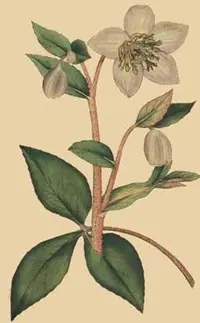
Majorcan Hellebore
Helleborus lividus
 POPULAR
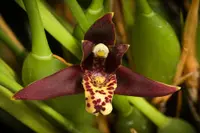
Coconut orchid
Maxillaria tenuifolia
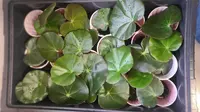
Beefsteak Begonia
Begonia 'Erythrophylla'
Easter Lily
Lilium longiflorum
orange mullein
Verbascum phlomoides
Dragon Wing Begonia
Begonia Dragon Wing Pink
Tephroseris helenitis
Tephroseris helenitis
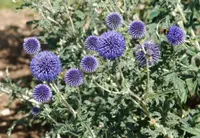
southern globethistle
Echinops ritro