Succession Sowing
Sow small batches every 2–3 weeks from early spring to midsummer so flowering is staggered and you always have fresh, compact plants instead of a single flush that fades quickly.

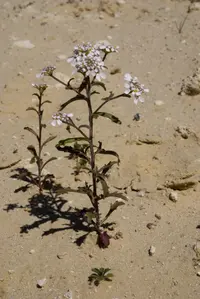
Wild candytuft, Iberis amara, is a compact annual from the cabbage family grown mainly for its clusters of small white flowers. Plants usually form low mounds with upright flowering stems and narrow green leaves, giving a neat, airy look in the border or rock garden.
In nature it occurs in dry, open sites in parts of Europe and western Asia, often on rocky or calcareous soils. It is generally easy to grow from seed but needs good light and well-drained soil to avoid rot and keep plants compact, which is central to how to care for wild candytuft.

Care Difficulty
Easy Care

Light Preference
Full Sun

Water Requirements
Moderate Water

Temperature Preference
Cool Climate

Hardiness Zone
4–8

Soil Texture
Sandy, Loamy, Rocky

Soil pH
Slightly acidic (6.5–7.0), Slightly alkaline (7.0–7.5)

Soil Drainage
Well-drained

Fertilization
Minimal (feed rarely)
Scan your plant to receive care tips personalized for your specific plant
Available on iOS and Android
Iberis amara thrives in bright, open sites that provide strong sun for compact growth and heavy flowering.
Water Iberis amara to keep the root zone lightly moist but never saturated, especially during active growth and flowering.
This species prefers cool to mild conditions and tolerates moderate cold better than prolonged heat.
This species prefers relatively dry air and does not need elevated humidity.
This plant thrives in light, well-aerated soil that drains quickly.
This species is suitable for container growing, especially in sunny, well-draining setups.
Iberis amara grows well in moderately fertile soil and benefits from light feeding during the main growing season.
Pruning Iberis amara helps maintain a compact mound and supports abundant flowering next season.
This species is usually grown in garden beds, so focus on careful transplanting rather than frequent repotting.
Iberis amara is commonly propagated from seeds and short tip cuttings taken in the growing season.
This short-lived perennial is reasonably cold hardy in many temperate gardens and usually needs only light winter care.

Plant Health Check
Not sure what's wrong with your plant? Check your plant's health inside the app.
The seeds and young parts of this species have a pronounced bitter taste, which is why it has been used traditionally as a minor bitter herb in some European regions, unlike many other ornamental Iberis species that are grown mainly for appearance.
Iberis amara naturally occurs on chalky or limestone-rich soils in Europe, showing a clear preference for alkaline, nutrient-poor substrates where many other garden ornamentals perform poorly.
Its white flowers form the classic 4-petaled cruciform shape typical of the cabbage family (Brassicaceae) and are mainly visited by small bees, flies, and beetles that are attracted to the nectar-rich, open floral structure.

Iberis amara has been used in classical plant genetics and breeding research as a model within the Brassicaceae, because its clear floral morphology and relatively simple growth requirements make it convenient for controlled pollination and inheritance studies.
Poor flowering usually comes from too little light, excess nitrogen fertilizer, or old, woody stems. Deadhead spent clusters, avoid high-nitrogen feeds, and trim lightly after flowering to stimulate new, flower-bearing growth the following season.
Keep your plants happy and healthy with plant identification, disease detection, and easy care guidance.