


Deep root establishment
During the first growing season, water a bit more deeply but infrequently to encourage a strong taproot that will later make caring for rush milkweed much easier in drought conditions.

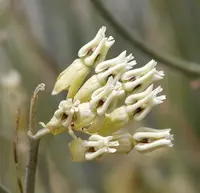
Rush milkweed (Asclepias subulata) is a leafless, upright perennial subshrub native to arid regions of the southwestern United States and northern Mexico. It belongs to the dogbane family and is closely associated with monarch butterflies, which use it as a host plant.
The plant forms slender, rush-like green stems with small clusters of cream to pale yellow flowers at the tips. It has a sparse, architectural look that suits dry, minimalist landscapes.
Rush milkweed is adapted to hot sun, low rainfall, and rocky or sandy soils, which makes it relatively easy in desert and xeric gardens. Gardeners who want to care for rush milkweed should focus on providing strong light, sharp drainage, and avoiding overwatering.

Care Difficulty
Easy Care

Light Preference
Full Sun

Water Requirements
Low Water

Temperature Preference
Warm Climate

Hardiness Zone
8–11

Soil Texture
Sandy, Loamy, Rocky

Soil pH
Slightly acidic (6.5–7.0), Slightly alkaline (7.0–7.5)

Soil Drainage
Well-drained

Fertilization
Minimal (feed rarely)
Scan your plant to receive care tips personalized for your specific plant
Available on iOS and Android
This desert milkweed thrives in strong sun and is adapted to hot, open sites.
This species is highly drought-tolerant and prefers dry, fast-draining conditions.
This desert perennial handles heat very well but is sensitive to prolonged hard frost.
This desert milkweed tolerates very dry air and rarely needs humidity adjustment.
This species prefers lean, very fast-draining mineral soil that mimics arid desert conditions.
This species can grow in containers if given a deep, very free-draining setup that suits its taprooted, desert habit.
Asclepias subulata is adapted to poor, sandy soils and needs only light feeding in cultivation.
Pruning Asclepias subulata is mainly done to remove damage and keep a clean, upright form.
This species is usually grown in the ground; any repotting or transplanting should be infrequent and gentle.
Propagation of Asclepias subulata is most reliable from seeds under warm, bright conditions.
This desert milkweed is fairly cold tolerant in mild-winter areas and usually needs little winter care.

Plant Health Check
Not sure what's wrong with your plant? Check your plant's health inside the app.
This species performs most of its photosynthesis in its smooth green stems because its true leaves are tiny and shed early, an adaptation to intense desert heat and drought.
Native populations occur in hot, arid habitats of the Sonoran and Mojave deserts where it can survive very high temperatures and long dry periods once established.
Its milky latex sap contains cardenolides, a group of toxic compounds that monarch butterfly caterpillars tolerate and store in their bodies for protection from predators.

In parts of the lower Colorado River Valley, this species can flower for extended periods across much of the year when moisture is available, providing a rare long-season nectar source in extremely arid landscapes.
This species is highly attractive to many native bees and butterflies, especially monarchs, which use it as a host plant for caterpillars. Flowers provide nectar over a long season, supporting pollinators in dry landscapes.
Keep your plants happy and healthy with plant identification, disease detection, and easy care guidance.

Daylily
Hemerocallis 'Stella de Oro'

Dragon Wing Begonia
Begonia Dragon Wing Pink
Tephroseris helenitis
Tephroseris helenitis
Majorcan Hellebore
Helleborus lividus
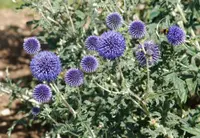
southern globethistle
Echinops ritro
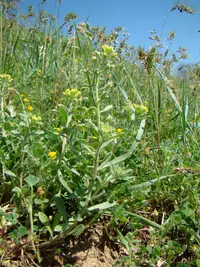
Alyssum hirsutum
Alyssum hirsutum
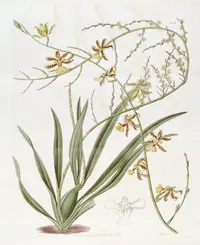
Wydler's dancing-lady orchid
Oncidium altissimum
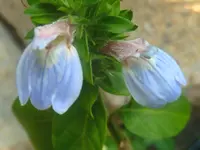
Blue Justicia
Justicia petiolaris