Alyssum hirsutum Care

Alyssum hirsutum

About Alyssum hirsutum

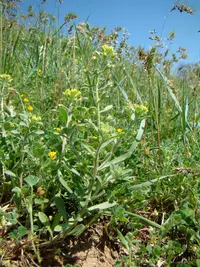
Alyssum hirsutum is a small, herbaceous flowering plant in the mustard family, grown mainly as an ornamental. It typically forms low, branching clumps with many small, four-petaled flowers. The foliage is often slightly hairy, which helps the plant cope with sun and dry air.

This species is native to parts of Europe and nearby regions, often found in dry, rocky, or sandy habitats. It is generally easy to grow, as it tolerates poor soils and short dry spells, making it suitable for low-maintenance borders and rock gardens.

Light, well-drained soil and an open, sunny position usually give the best results, and these simple needs make it straightforward to care for Alyssum hirsutum.

Main Plant Requirements

Care Difficulty

Easy Care

Light Preference

Full Sun

Water Requirements

Moderate Water

Temperature Preference

Cool Climate

Hardiness Zone

5–9

Soil Texture

Sandy, Loamy, Rocky

Soil pH

Slightly acidic (6.5–7.0), Neutral (7.0)

Soil Drainage

Well-drained

Fertilization

Minimal (feed rarely)

Get Personalized Care Plan

Scan your plant to receive care tips personalized for your specific plant

Available on iOS and Android

How to Care for the Alyssum hirsutum

This sun-loving annual blooms best with plenty of direct light and moderate protection from harsh extremes.

  • Provide 6–8 hours of direct sun daily, ideally with morning sun and light afternoon shade in hot summers for Alyssum hirsutum.
  • In cooler climates, full sun all day encourages compact growth and heavy flowering; in hotter regions, give filtered light after 2–3 p.m.
  • If stems stretch, flowering declines, or foliage pales, the site is too shaded; relocate to a brighter spot, especially in spring.

This plant prefers evenly moist, well-drained soil and reacts quickly to both drought and saturation.

  • Allow the top 2–3 cm of soil to dry before watering, then soak the root zone thoroughly so moisture reaches at least 10–15 cm deep.
  • During hot, dry weather, monitor every 1–2 days for wilted tips or drooping clusters; water promptly, as shallow roots dry fast.
  • Reduce watering in cool or rainy periods; yellowing lower leaves and mushy stems indicate overwatering, while crisp, brown edges signal drought stress.

This cool-season annual thrives in mild conditions and declines when exposed to temperature extremes.

  • Optimal growth occurs at 55–70°F (13–21°C), with strongest flowering in the cooler part of that range.
  • Plants tolerate brief dips to 28–30°F (-2 to -1°C) but sustained hard frost below this range can kill foliage and buds.
  • Flowering slows and plants may scorch or stop altogether above 85–90°F (29–32°C); provide afternoon shade and consistent soil moisture in hot periods.

This species handles typical outdoor humidity well and rarely needs special adjustment.

  • Target 40–60% humidity; it tolerates drier air but may flower longer with moderate humidity in sheltered sites.
  • Dry, hot winds can cause leaf edge browning and quicker flower fade, a sign of mild humidity and moisture stress rather than disease.
  • In very dry, exposed spots, use nearby mulched beds, low windbreaks, or grouped plantings to slightly raise local humidity around Alyssum hirsutum.

Alyssum hirsutum prefers lean, well-drained soil that stays airy around the roots.

  • Use a sandy or sandy-loam mix with 20–30% coarse sand or fine grit to keep the structure open and prevent compaction.
  • Aim for slightly alkaline to neutral pH, around 7.0–7.8, which supports this species’ natural calcicolous preference for lime-rich substrates.
  • Blend in a modest amount of compost, about 10–20%, to improve structure without creating a heavy, moisture-retentive medium.
  • Avoid dense clay, waterlogged sites, or peat-heavy mixes; if planting in heavier ground, raise the bed and add grit to improve drainage and aeration.

This species is well suited to container growing, especially in sunny patios or balcony plantings.

  • Choose a wide, shallow pot rather than a deep one to accommodate its fibrous, spreading roots and create an even carpet of growth.
  • Select terracotta or other breathable materials if rainfall is frequent, as these help excess moisture evaporate and reduce root rot risk.
  • Ensure the container is slightly elevated on pot feet or bricks so drainage holes stay clear and water cannot pool under the base.

Light feeding supports steady flowering in Alyssum hirsutum without creating weak, lush growth.

  • Use a balanced, water-soluble fertilizer (around 10-10-10 NPK) at 1/2 strength for container plants in active growth.
  • Feed every 3–4 weeks in spring and summer; skip or greatly reduce feeding in fall and winter.
  • In garden beds, mix in compost or a slow-release, balanced fertilizer once at planting instead of frequent liquid feeds.
  • Always water before or after feeding to dilute salts and reduce root burn risk.

Thoughtful pruning keeps Alyssum hirsutum compact, tidy, and continuously flowering.

  • Shear back spent flower stems by 1/3–1/2 in mid to late summer to encourage fresh blooms and denser growth.
  • Remove dead, diseased, or storm-damaged stems whenever noticed, using clean, sharp scissors or hand pruners.
  • Thin out weak or crowded shoots to improve airflow and reduce fungal issues in humid conditions.
  • After heavy flowering flushes, lightly trim uneven edges to maintain a low, mounded shape along paths or borders.

This shallow-rooted annual is usually transplanted once, then left in place for the season.

  • Transplant outdoor Alyssum hirsutum seedlings in spring after frost, when plants have several true leaves and roots lightly fill starter cells.
  • Choose well-draining soil and plant at the same depth; water thoroughly to settle roots and cut back any wilted, stressed tops.
  • If container plants show circling roots or dry out very fast, shift to a slightly larger pot with fresh mix, disturbing roots as little as possible.
  • Shade newly moved plants for 2–3 days and keep soil evenly moist to limit transplant shock and support quick reestablishment.

Most gardeners renew Alyssum hirsutum from seed each year for dense, uniform carpets of bloom.

  • Sow seeds indoors 6–8 weeks before the last frost or directly outdoors once soil is workable and frost risk has passed.
  • Press seeds onto moist, well-draining mix without covering deeply, as light improves germination.
  • Maintain 60–70°F and gentle, even moisture; seedlings usually emerge in 7–14 days.
  • Thin or prick out crowded seedlings to avoid stretching, then harden off gradually before outdoor planting.

In most climates Alyssum hirsutum behaves as an annual and needs minimal winter care.

  • In mild, frost-free areas, trim back spent growth in late fall and allow self-sown seedlings to appear in spring.
  • Where hard frost occurs, expect plants to die back; remove dead material to reduce disease carryover.
  • For late-season container displays, move pots to a sheltered, bright spot to prolong flowering until freezing temperatures arrive.

Care Tips

Strategic edging placement

Plant in narrow bands along bed edges or path borders so stems can spill slightly over hard surfaces, which keeps foliage drier, reduces fungal issues, and creates a dense flowering carpet instead of a patchy clump.

Timed shear for rebloom

After the main flush of flowers fades, shear plants back by about one-third and water well to encourage quick, compact regrowth and a strong second flowering wave.

Use as living mulch

Sow or transplant between taller, sun-loving crops or ornamentals so the low, dense canopy shades the soil surface, helping to suppress small weeds and moderate soil temperature without smothering neighboring plants.

Staggered sowing blocks

Sow small patches every 2–3 weeks at the start of the season so older, tired plants can be removed and replaced, keeping the display fresh and continuous when growing Alyssum hirsutum.

Dry-season airflow check

In dry or windy sites, thin out the densest sections lightly to improve airflow within the mat, which limits spider mite buildup that can occur when plants are stressed and overly crowded.

Common Pests and Diseases

Downy mildew

This disease causes yellow, pale, or angular spots on upper leaf surfaces with gray to purplish downy growth underneath, often in cool, humid weather.

Solution

Remove and discard heavily affected leaves or whole plants, avoid overhead watering, and space plants to improve airflow; in persistent cases, apply a copper-based or phosphonate fungicide labeled for ornamental brassicas according to the product directions.

White rust

This disease produces pale yellow spots on upper leaf surfaces and white blister-like pustules on the undersides, which can distort foliage and reduce flowering.

Solution

Promptly remove and dispose of infected leaves, water at soil level to keep foliage dry, and rotate planting areas; in severe outbreaks, use a labeled systemic or contact fungicide for rusts on ornamentals and follow all safety and timing instructions.

Cabbage aphids

These insects form dense, gray-green colonies on stems, buds, and undersides of leaves, often causing curled, sticky, and stunted growth.

Solution

Spray colonies off with a firm stream of water, then treat remaining aphids with insecticidal soap or horticultural oil, ensuring thorough coverage of all plant surfaces and repeating at 5–7 day intervals as needed when growing Alyssum hirsutum.

Flea beetles

These pests create many small round holes in leaves, giving a shot-hole appearance, and may stunt seedlings when populations are high.

Solution

Use floating row covers to protect young plants, keep the area free of weeds in the mustard family, and, if damage persists, apply a pyrethrin or spinosad product labeled for flea beetles during calm, cool parts of the day.

Alternaria leaf spot

This disease causes small dark spots on leaves that enlarge into concentric-ring lesions, which may merge and lead to premature leaf drop.

Solution

Remove and discard affected plant material, avoid overhead irrigation, and improve spacing; in recurring cases, use a chlorothalonil or strobilurin fungicide labeled for Alternaria on ornamentals, rotating products to reduce resistance risk.

Interesting Facts

Native Eurasian habitats

This species is naturally distributed from central and eastern Europe into parts of western Asia, where it grows on dry, open slopes, rocky ground, and disturbed sites with well-drained, often calcareous soils.

Preference for disturbance

In parts of its native range, it behaves as a ruderal species, meaning it commonly colonizes recently disturbed ground such as roadsides, field margins, and fallow land.

Seasonal pollinator resource

Its small four-petaled flowers provide nectar and pollen for a range of insects, including small solitary bees and hoverflies, particularly in sunny, open sites early in the growing season.

FAQs about Alyssum hirsutum

This species produces many small, nectar-rich flowers that attract bees, hoverflies, and some butterflies. It works well in pollinator-friendly beds, borders, and containers, supporting beneficial insects throughout its main flowering period in mild conditions.

Grow Healthy Plants with Botan Care

Keep your plants happy and healthy with plant identification, disease detection, and easy care guidance.

Botan plant care app — identify plants on mobile

Explore More Plants