

sweetpea (Lathyrus odoratus) Watering Guide

This page explains when, how often, and how much to water sweetpea to support healthy growth.

Water Requirements

Regular Water

Lathyrus odoratus Watering

In temperate climates with cool, damp seasons, sweetpea experiences regular moisture with brief drying spells. Lathyrus odoratus prefers soil that stays lightly moist rather than wet, reflecting these moderate conditions. This overview of watering sweetpea explains the general balance before specific guidance.

Garden-grown plants often rely on natural rainfall, with watering used to even out drier gaps, while containers dry faster and need closer attention.

Let the top 1–2 inches (3–5 cm) of soil dry before watering again, as sweetpea prefers evenly moist but not soggy soil. In pots, this usually means watering about every 2–4 days in warm, bright conditions. Cooler weather or partial shade often extends the interval between waterings.

Water sweetpea when the top 1 inch (2–3 cm) of soil feels dry, using slow, deep watering to sustain steady growth.

  • Pour water at soil level around the base, avoiding wetting foliage to limit prolonged surface moisture and mildew pressure.
  • Apply water slowly so it soaks 4–6 inches (10–15 cm) deep, encouraging a broad, resilient root system in the bed.
  • Use a watering can with a fine rose or a gentle hose setting to prevent disturbing seeds, seedlings, or surface roots.
  • Ensure soil and containers drain freely, then empty any standing water from trays or saucers within 15–20 minutes.

Improper moisture balance can stress Lathyrus odoratus and lead to several avoidable growth setbacks.

Wilting Foliage:

Stems and leaves droop during heat, indicating insufficient soil moisture or overly shallow, infrequent watering.

Yellowing Lower Leaves:

Older leaves yellow from the base upward when roots sit in persistently waterlogged, poorly drained soil.

Brown, Crispy Leaf Edges:

Leaf margins dry and crisp in hot, windy periods when soil surface repeatedly dries out.

Stunted Growth:

Short vines with few flowers often result from inconsistent watering that stresses developing root systems.

Moldy Soil Surface:

White or gray fungal growth appears when containers or beds stay saturated with limited air circulation.

Keep soil consistently moist yet well drained, adjusting watering depth and frequency to weather and soil type.

Unsuitable watering habits weaken Lathyrus odoratus, limiting flowering and leaving vines more vulnerable to heat, wind, and disease.

  • Rigid watering schedule: Watering on calendar dates instead of checking soil moisture leads to stress; test the top layer and adjust to weather.
  • Heavy, poorly drained soil: Using dense garden soil traps water around the roots; choose a light, compost-rich mix that drains and dries steadily.
  • No drainage or saucer care: Letting water collect in saucers or containers without holes keeps roots saturated; empty saucers and ensure free drainage.

Safer watering relies on responsive habits, using well-drained soil and containers, and rewatering only when the upper soil begins drying.

  • Spring: Provide steady, moderate moisture as vines grow quickly, keeping soil lightly moist but not waterlogged during cool, bright conditions.
  • Summer: In hot spells, water more deeply but less often, allowing the top inch to dry slightly to prevent root rot in warm soil.
  • Fall: As flowering declines and vines yellow, gradually reduce watering, letting soil dry more between waterings before plants are cleared or frost-killed.
  • Winter: Where plants die back after frost, stop watering; in mild climates with self-sown seedlings, keep soil barely moist during cool, short days.

Track Watering. Catch Problems Early

Use Botan for a clear watering guide and step-by-step care for your Lathyrus odoratus. The app also reviews plant photos to help spot early signs of stress or disease.

Botan plant care app — identify plants on mobile

Interesting Watering Facts

Cool-season moisture need

This cool-season climber forms its heaviest flowering stems in spring where soil stays evenly moist and cool, which is why traditional English cultivation developed in regions with reliable spring rainfall and mild temperatures.


Shallow but thirsty roots

Garden trials on cut-flower sweet peas show that the plant’s relatively shallow root system dries quickly in light soils, so consistent surface moisture—not deep, infrequent soaking—is important for preventing short, prematurely fading stems.

Moisture and scent strength

Horticultural observations on sweet pea cultivars note that moderate, steady soil moisture during cool weather tends to support stronger fragrance, while hot, dry spells often reduce both flower size and scent intensity.

FAQ

Water thoroughly until a bit drains from the bottom, then empty the saucer. This helps moisten the full root zone and prevents dry pockets, but only if the soil and container drain very well.

More Plant Watering Guides

Is Your Watering Routine Hurting Your sweetpea?

Use Botan to review watering patterns and confirm plants receive suitable moisture levels.

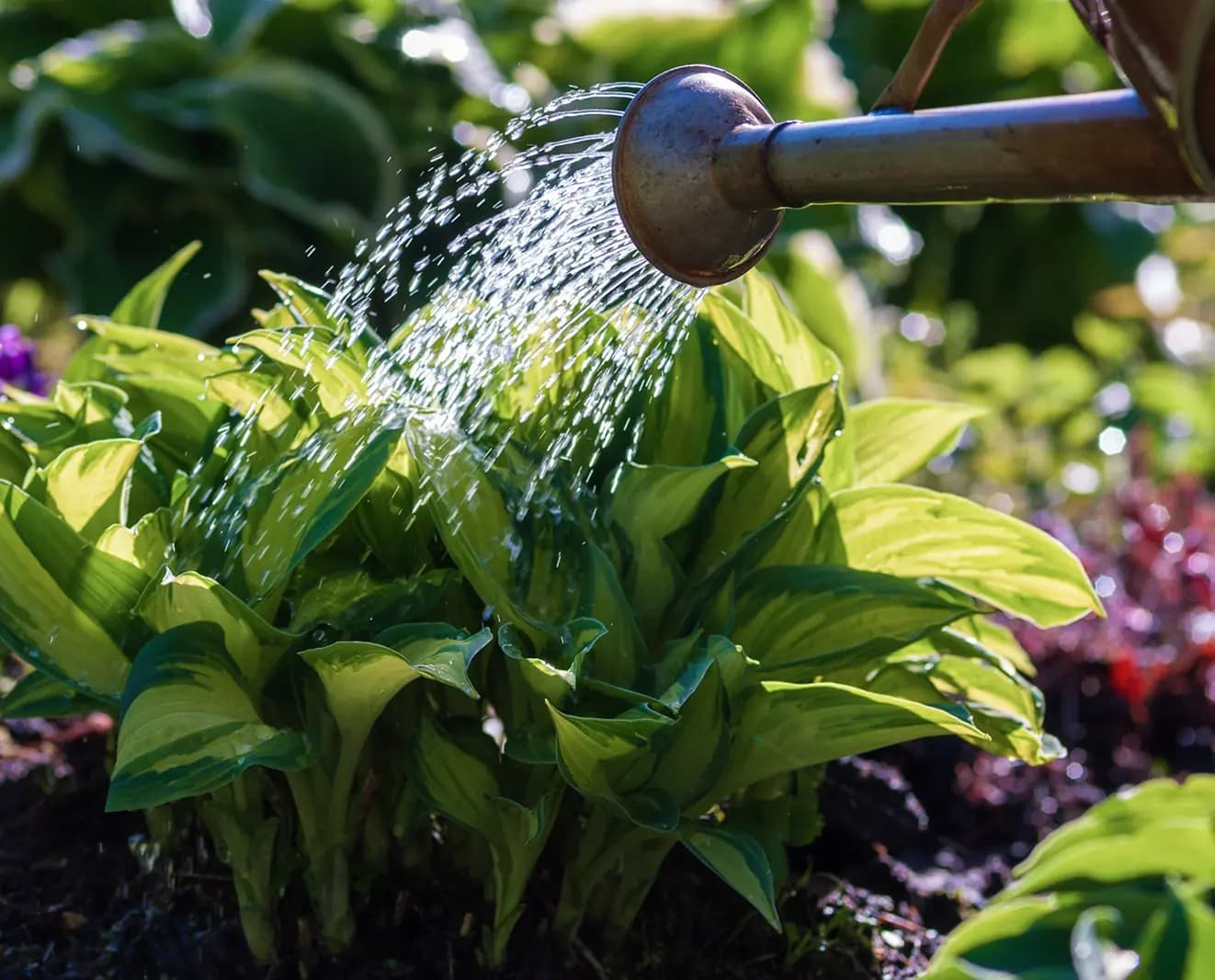
Watering a plant with a copper watering can
How to Mist Plants – Proper Technique and Common Mistakes

7 min read · 30 Jul 2026

How to Mist Plants – Proper Technique and Common Mistakes

Find out when misting works well and when to avoid it. Here, you’ll find detailed information about compatible and incompatible species, tips on how often to mist plants and do it correctly, and some great alternatives for raising humidity.

Beginner Guides
How to Mist Plants – Proper Technique and Common Mistakes
Plants That Repel Mosquitoes – 10 Effective Choices

8 min read · 6 Jul 2026

Plants That Repel Mosquitoes – 10 Effective Choices

Plants that repel mosquitoes can help mask human scent naturally and make outdoor spaces more comfortable. Explore the most effective options, their benefits and drawbacks, and choose the right plant for your space.

Plant Recommendations
Plants That Repel Mosquitoes – 10 Effective Choices
Thorny Plants: A Comprehensive Guide

10 min read · 25 Aug 2026

Thorny Plants: A Comprehensive Guide

Many plants defend themselves with sharp thorns. This guide explores over 20 examples among flowers, shrubs, trees, and vines. You'll learn what each plant looks like, why it grows thorns, and how to quickly identify them.

Plant Recommendations
Thorny Plants: A Comprehensive Guide