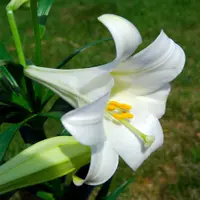

Easter Lily (Lilium longiflorum) Watering Guide

This page explains when, how often, and how much to water Easter Lily for consistent, healthy growth.

Water Requirements

Moderate Water

Lilium longiflorum Watering

Native to regions with moderate rainfall and well-drained soils, Easter lily prefers steady moisture without prolonged dryness or sogginess. Lilium longiflorum benefits from soil that stays lightly moist, reflecting these balanced, not swampy, conditions.

As a garden perennial and seasonal indoor plant, its outdoor beds usually retain moisture longer than indoor pots. This overview of watering Easter Lily sets the stage for more specific guidance on how to water Easter Lily in different settings.

Allow the top 1–2 inches (3–5 cm) of soil to dry before watering Lilium longiflorum again. Indoors, this typically means watering about every 5–7 days during active growth, though bright light or warm rooms can shorten the interval. Outdoor heat may require more frequent checks of soil dryness.

Water when the top 1–2 inches (3–5 cm) of potting mix feel dry; keep Easter Lily evenly moist, never saturated.

  • Pour room‑temperature water slowly over the soil surface, circling the pot to wet the entire root zone.
  • Stop once water runs from the drainage holes, then empty saucers so roots do not sit in standing water.
  • Keep stems and leaves as dry as possible; avoid overhead watering to reduce moisture collecting in leaf axils.

Incorrect moisture around Lilium longiflorum often leads to stress and growth setbacks indoors or outdoors.

Yellowing Lower Leaves:

Older leaves fade and drop prematurely when roots sit in consistently saturated, poorly drained soil.

Drooping Foliage:

Stems and leaves flop over from either prolonged dryness or roots damaged by waterlogged conditions.

Bulb Rot In Soil:

Bulbs become soft, discolored, and foul-smelling when planted in heavy, compacted, wet media.

Brown Leaf Tips:

Leaf ends crisp and brown when watering swings between very dry and suddenly heavy.

Stunted Flower Buds:

Buds stay small or fail to open when irregular watering stresses actively developing shoots.

Keep soil evenly moist but never saturated, allowing the upper layer to slightly dry between thorough waterings.

Poor watering habits can stress Lilium longiflorum, weakening blooms and bulbs and shortening the display of an Easter lily indoors or outside.

  • Rigid calendar schedule: Following a fixed calendar instead of checking soil moisture often keeps the mix too wet or too dry; test the top layer before adding water.
  • Heavy, compacted soil: Using dense garden soil traps moisture around bulbs; switch to a loose peat- or coir-based mix with added perlite for faster drainage.
  • Water sitting in saucer: Letting drained water stand under the pot suffocates bulb roots; empty saucers promptly so excess moisture can fully escape.

Aim for deep, occasional watering into a freely draining mix, guided by soil feel rather than the calendar or pot saucer.

  • Spring: Increase watering as shoots emerge, keeping soil evenly moist but never waterlogged while stems and flower buds develop.
  • Summer: After blooming, water moderately, allowing the top layer to dry slightly between waterings as foliage continues photosynthesizing to refill the bulb.
  • Fall: Reduce watering as foliage yellows and dies back, letting soil gradually dry to help the bulb enter dormancy.
  • Winter: For dormant bulbs in pots or ground, keep soil barely moist, preventing complete dryness but avoiding any prolonged sogginess.

Your Easter Lily Care Companion

Use Botan for a simple watering guide and practical care steps for Lilium longiflorum, plus gentle photo-based checkups that help notice issues early and adjust care calmly.

Botan plant care app — identify plants on mobile

Interesting Watering Facts

Winter-moist, summer-drier cycle

In its native range of the Ryukyu Islands of Japan, this lily grows in areas with wetter, cooler winters and relatively drier summers, which matches its need for steady moisture while in active leaf and bloom, but a slightly drier rest as bulbs go partially dormant.


Salt-tolerant coastal roots

Wild populations often grow on coastal dunes and sea cliffs where rain drains quickly and salt spray is common, so roots are adapted to freely draining, low-retention substrates and cannot tolerate waterlogged or compacted soils in cultivation.

Bulbs dislike wet storage

Commercial growers learned that its thick, scaly bulbs are prone to rot if kept damp out of soil, so bulbs are stored and shipped slightly dry and are watered thoroughly only after planting into a well-aerated medium.

FAQ

Check the top 1–2 inches (3–5 cm) of soil; water when this area feels dry. In bright indoor light, this often means every few days. Adjust how often to water based on temperature and pot size.

More Plant Watering Guides

Is Your Watering Routine Hurting Your Easter Lily?

Botan reviews your watering pattern so you can adjust moisture more confidently.

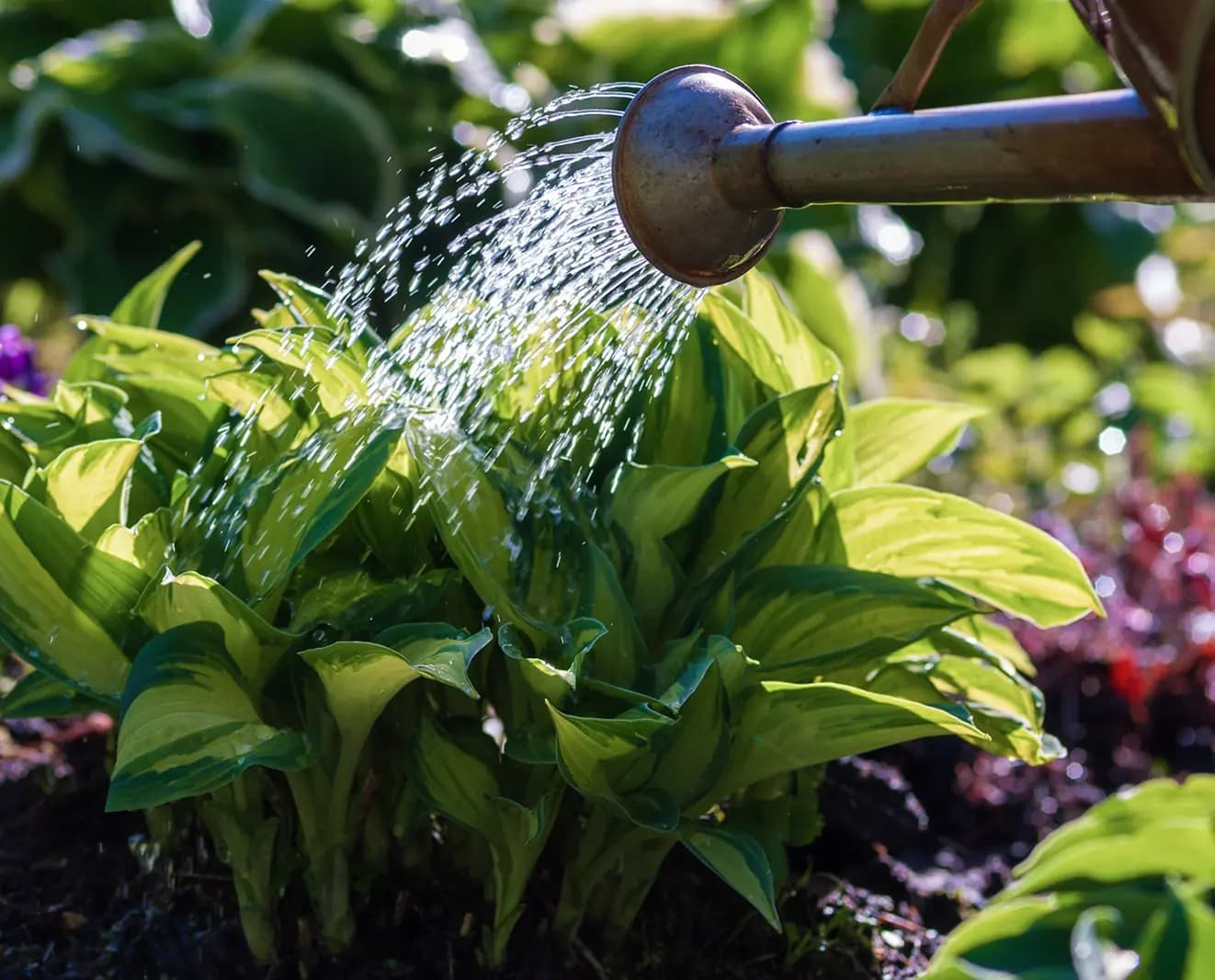
Watering a plant with a copper watering can
How to Clean Plant Leaves: A Simple Care Guide

6 min read · 4 Aug 2026

How to Clean Plant Leaves: A Simple Care Guide

Dusty leaves look dull and don't absorb light well. Below, you'll find simple ways to clean them, which tools are truly effective, how often you should do it, and what causes damage.

Beginner Guides
How to Clean Plant Leaves: A Simple Care Guide
How to Increase Humidity for Plants – 8 Simple Ways That Work

8 min read · 14 Aug 2026

How to Increase Humidity for Plants – 8 Simple Ways That Work

Dry indoor air stresses a lot of houseplants. You usually notice it first in the browning leaf tips. This guide describes 8 simple ways to raise the moisture around your plants, from humidifiers to pebble trays.

Plant Care
How to Increase Humidity for Plants – 8 Simple Ways That Work
Banana Peel Water for Plants: 5 Things to Know Before Trying It

5 min read · 9 Jul 2026

Banana Peel Water for Plants: 5 Things to Know Before Trying It

Banana water can provide potassium and some nutrients that may support plant growth, but it is not a universal fix. Use it carefully and only when the plant actually shows signs of nutrient deficiency rather than as a routine treatment.

Plant Care
Banana Peel Water for Plants: 5 Things to Know Before Trying It