Dry‑rest flowering cue
In its native South African habitat, Clivia miniata experiences a drier, cooler winter period that helps trigger spring flowering, so growers often reduce watering in late fall and winter to mimic this natural dry rest.


This page explains when, how often, and how much to water Clivia miniata for straightforward, consistent care.

Water Requirements
Moderate Water
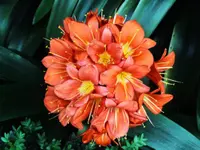
Successful watering Bush Lily starts with understanding its preference for slightly moist, never soggy soil. In cultivation, Clivia miniata benefits from a moderate, steady moisture level that reflects its origins in seasonally damp, shaded habitats.
For indoor plants, focus on maintaining gentle, even moisture and avoiding long periods of dryness. Outdoor or patio containers typically dry a bit faster, so expect a slightly more frequent, but still moderate, watering rhythm.
During active growth, Clivia miniata typically needs water about every 1–2 weeks, but timing should follow soil dryness, not the calendar. Water again when the top 1–2 inches (3–5 cm) feel dry. Cooler winter rest periods and lower light usually mean longer gaps between waterings.
Water Bush Lily when the top 1–2 inches (3–5 cm) of potting mix feel dry and the container feels lighter.
Incorrect moisture levels lead to several growth problems for Clivia miniata indoors or outdoors.
Dry, compacted potting mix and prolonged underwatering cause paling, crisp edges, and slow growth.
Persistently wet soil around the crown encourages rot, producing soft, collapsing lower leaves and odor.
Extended dryness and tight roots limit water uptake, so foliage feels thin, floppy, and wrinkled.
Water sitting on leaves in cool, low-light conditions encourages fungal spotting and elongated discoloration.
Poor drainage and heavy, peat-rich soil stay saturated, driving root rot and weak, drooping foliage.
Keep roots evenly moist in free-draining soil, avoiding both prolonged saturation and complete dryness.
Unsuitable watering habits can stress Bush Lily (Clivia miniata), weakening growth and flowering, especially when soil, timing, or containers are poorly managed.
Aim for consistently slightly moist, well‑drained soil, adjusting watering to the plant’s growth stage, light, and indoor conditions.
Watering Advice
Learn when to water your plant and avoid common watering mistakes.
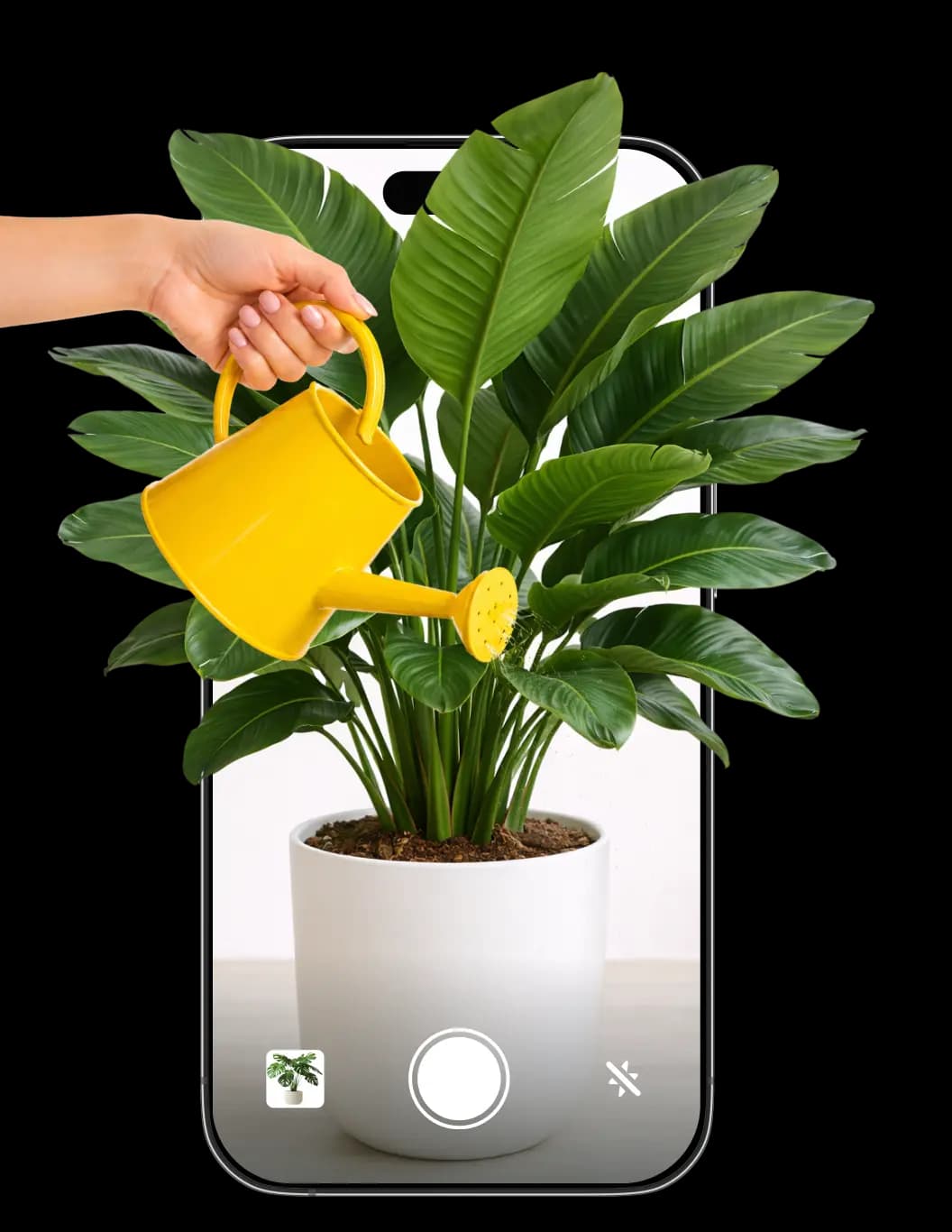
Use Botan for a clear watering guide and care steps tailored to your Clivia miniata, plus gentle photo-based checkups that help spot early signs of stress or emerging issues.
In its native South African habitat, Clivia miniata experiences a drier, cooler winter period that helps trigger spring flowering, so growers often reduce watering in late fall and winter to mimic this natural dry rest.
Clivia miniata forms fleshy, cord‑like roots that store water and nutrients, which helps the plant endure irregular rainfall and makes it more sensitive to prolonged waterlogging than many other shade ornamentals.
In the wild, Clivia miniata grows on the forest floor where it receives filtered rainwater and intermittent moisture from canopy drip, so it is adapted to moderate, steady moisture rather than intense, direct downpours or constantly saturated soil.
Morning is preferable so foliage and soil surface dry before night, which reduces fungal issues. In very hot, dry climates, early morning Bush Lily watering also limits moisture loss through midday evaporation.
Botan reviews your watering pattern to suggest more suitable moisture levels.
6 min read · 4 Aug 2026
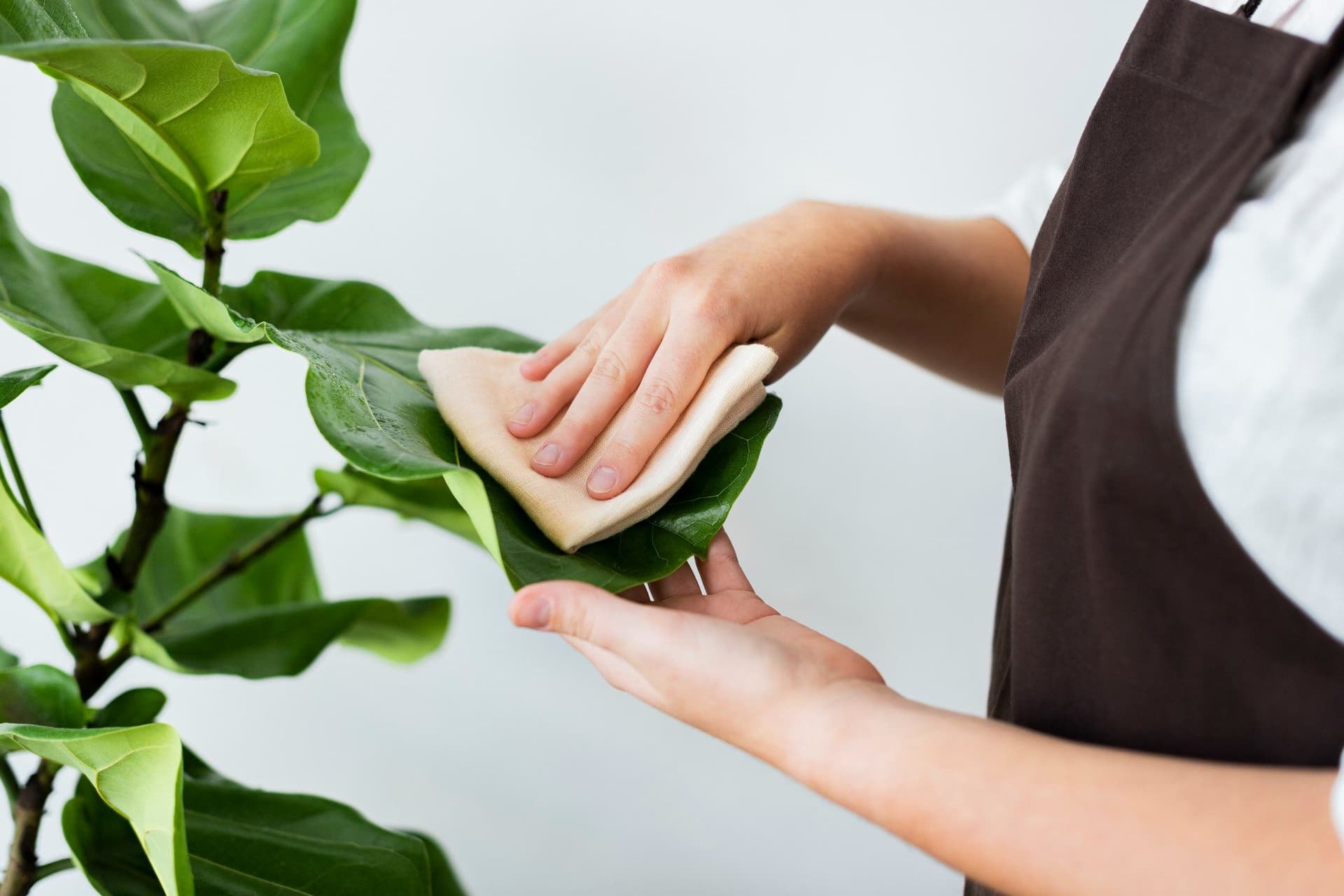
Dusty leaves look dull and don't absorb light well. Below, you'll find simple ways to clean them, which tools are truly effective, how often you should do it, and what causes damage.
5 min read · 4 Sept 2026
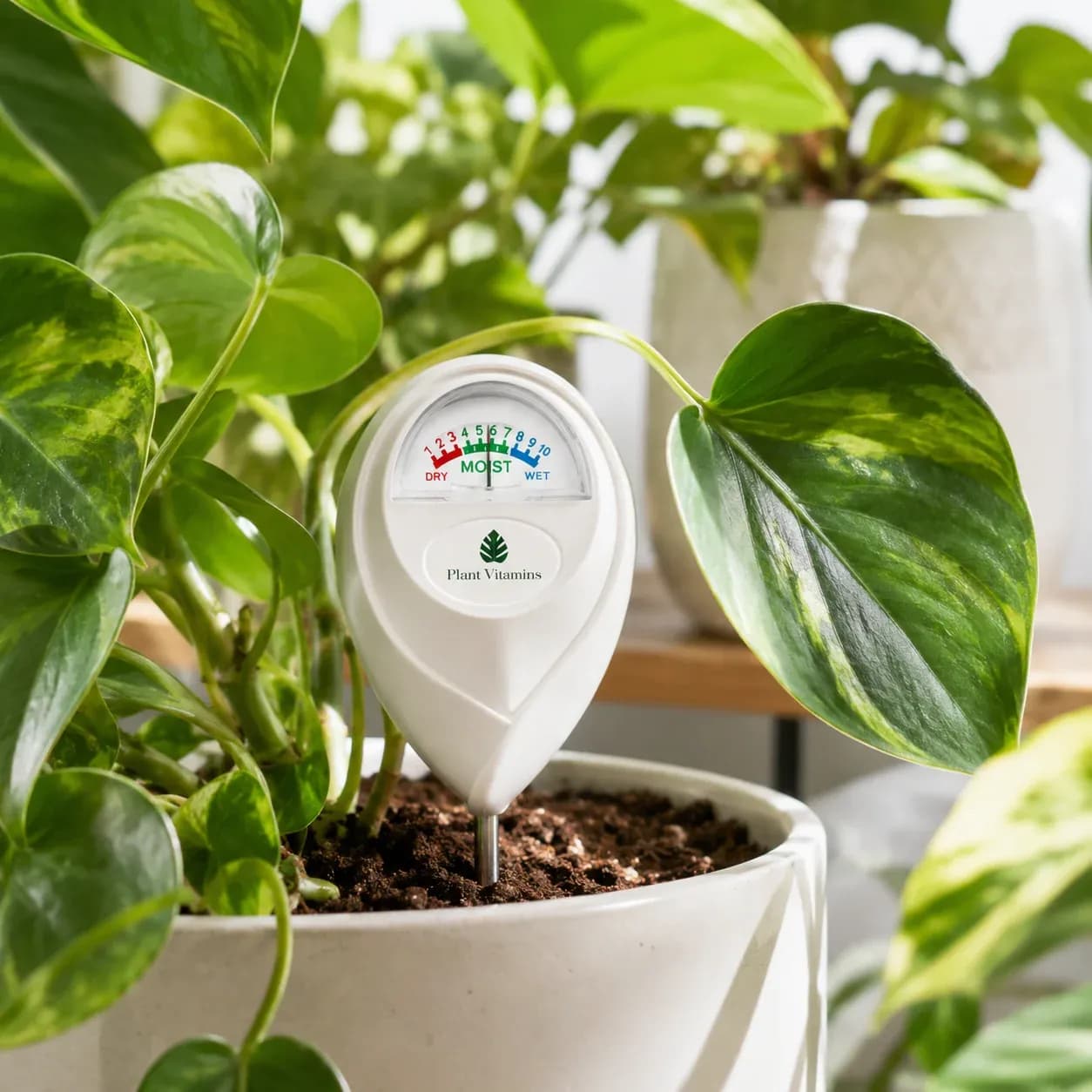
Watering by feel kills plenty of houseplants. A moisture meter checks the soil for you, and takes the guesswork out of it. This guide will show you how to use it correctly, from the first touch to the final reading.
8 min read · 6 Jul 2026
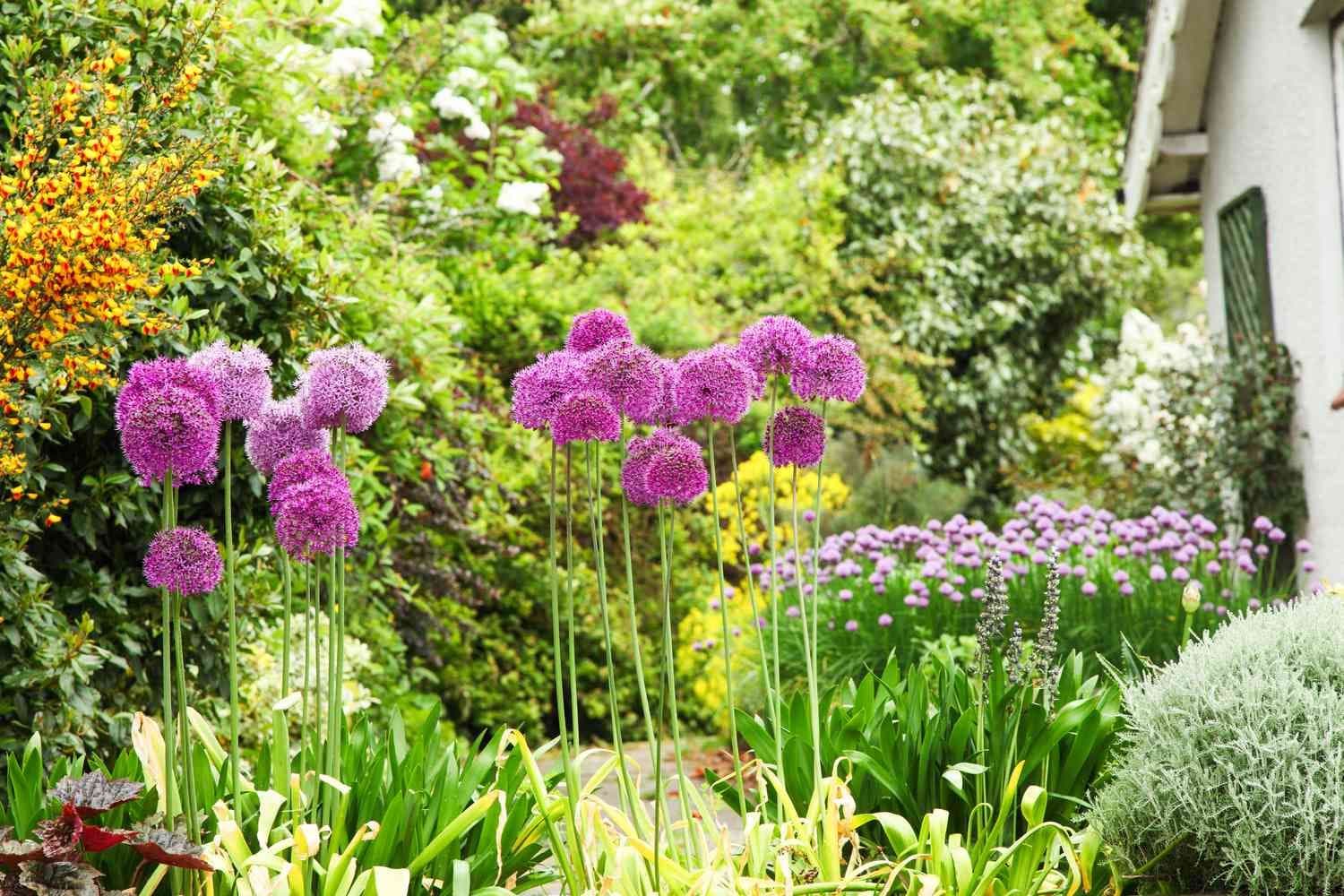
Plants that repel mosquitoes can help mask human scent naturally and make outdoor spaces more comfortable. Explore the most effective options, their benefits and drawbacks, and choose the right plant for your space.