How to Use a Moisture Meter for Plants
Watering by feel kills plenty of houseplants. A moisture meter checks the soil for you, and takes the guesswork out of it. This guide will show you how to use it correctly, from the first touch to the final reading.

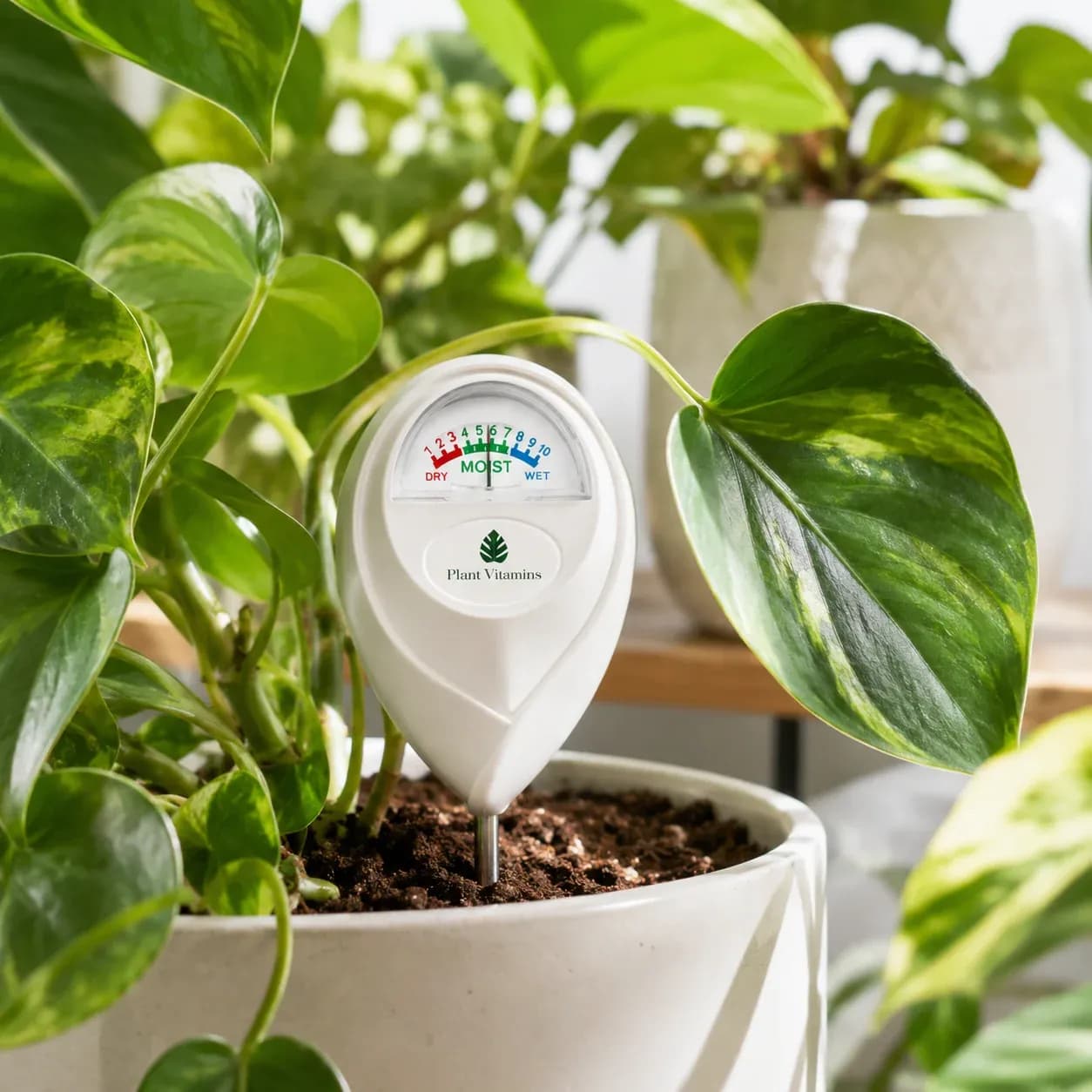
The top layer of soil feels dry to your finger. However, a few inches down, the soil around the roots can be very wet. This is where root rot begins. To prevent possible problems, you can measure the water level with a moisture meter. So, how to use a moisture meter for plants?
In short: you insert the probe into the root zone and read the number. That's how to use a plant moisture meter. Below, you'll learn how to correctly interpret this number and what everyday errors distort the results.
Moisture Meter Instructions – 5 Steps
Most moisture meter instructions miss a crucial point. Where and how long you insert the probe is just as important as its position. Here are the main steps to check the water level.
Step 1 – Select Your Spot
Point the probe toward the center of the pot, closer to the main roots. The edge of the pot dries out faster than the core, which leads to falsely low readings.
Step 2 – Push the Probe In
The next step is to slowly insert the probe until it reaches about two-thirds of the way down toward the roots. This is how to measure moisture in soil and get the most accurate result.
Step 3 – Read the Scale
Give the needle a few seconds to read before trusting it. The reading fluctuates for a while, then settles on a number somewhere between 1 and 10.
Step 4 – Check a Few Spots
A single reading can be very misleading. Since roots spread unevenly throughout the potting mix, test two or three areas around the pot before making a decision.
Step 5 – Wipe and Store
After you've obtained a reading, carefully remove the probe and wipe it with a dry cloth. Damp metal left in the container will slowly corrode, and reduce the accuracy of the next reading.
Follow these five steps to ensure reliable readings. Remember that drought-tolerant plants require very little water. For example, Aloe vera watering needs much less than that of a fern, which requires much more moisture due to its large leaves.

Keep Plants Thriving
Get simple care guidance tailored to each plant’s needs in the app
How to Read a Moisture Meter
Reading the small scale is what confuses those new to using a moisture meter. Low readings indicate dry soil that needs watering, while high numbers warn of overwatering. When a plant is in a wet zone, its roots suffocate as oxygen is displaced from the soil.
This problem is the source of all the fuss over watering houseplants. See the table for possible readings on the meter.
Reading (1–10) | What it tells you |
1–3 (dry) | The soil is parched and most plants are ready for water. |
4–7 (moist) | A healthy middle that suits most houseplants. |
8–10 (wet) | Soggy ground where you risk root rot if you keep watering. |
However, not all plants require watering. A reading right at the top is perfectly normal for wetland plants, which thrive in permanently waterlogged areas. For all other plants, it's better to rely on the species rather than a set watering schedule.
Why You Need a Moisture Meter
Using moisture meter readings allows you to replace nervous guesswork with reliable results. Overwatering kills more houseplants than anything else, so the basic rules of watering indoor plants boil down to not allowing the roots to become soaked.
- It allows you to identify overwatered soil before the roots begin to rot.
- It detects dry soil in a pot that you would otherwise miss with your fingertip.
- It reaches the root zone, well below the dry top layer.
- It shows consistent readings in any container on your shelf.
So, if you don't know the watering range for a Monstera deliciosa or Golden Pothos that grow on your shelf, using a moisture meter is a great solution.

Moisture Meter vs. Finger Test
The finger test and the moisture meter answer slightly different questions. A quick touch to a depth of one inch will indicate surface conditions, which is good for plants with shallow root systems. A moisture meter penetrates deeper and measures water in the root zone, which a fingertip would never reach.
Use your finger to quickly check root conditions before allowing the moisture meter to confirm deeper readings. Neither device can tell you how long flowers can go without water, as this depends entirely on the species.
5 Common Moisture Meter Mistakes
Even a good moisture meter guide is useless if you fall into common pitfalls. Here are the mistakes people make most often:
- Reading only the surface, where the soil dries out first.
- Leaving the probe in the pot for several hours at a time.
- Skipping a quick wipe when moving from one plant to another.
- Relying on a single reading instead of checking several.
- Probing hard or dry soil, which deceives cheaper moisture meters.
When checking a fussy plant like the Dracaena fragrans, you can damage the roots by a single careless measurement. Therefore, be extremely careful when measuring the moisture level in pots with such species.
FAQ
They do a fairly good job of monitoring daily plant care. A moisture meter allows you to quickly measure moisture at the root level, which is much more convenient than guessing.
Alex Yar
Plant Expert
7+ years of experience studying plants, researching their diseases, and examining their characteristics.
Alex is a plant expert and writer with more than 7 years of experience studying plants, their growing requirements, and their responses to environmental conditions. His areas of expertise include plant care, disease recognition, stress diagnosis, pest-related problems, and the distinctive characteristics of different species.
Over the years, Alex has developed a strong practical understanding of how light, temperature, humidity, watering, soil conditions, and nutrition affect plant health. He combines careful observation with in-depth research to explain effective care and recovery methods.
Alex has extensive hands-on experience caring for houseplants. His articles translate complex botanical topics into clear guidance that helps you better understand your plants and recognize early warning signs.
Related Articles
.jpg&w=1920&q=75)
8 min read · 10 Sept 2026
10 Easy Garden Flowers to Grow
Discover 10 garden flowers that require minimal care. Learn which characteristics make plants easy to grow and follow tips on how to create a beautiful corner from beginner-friendly blooms on your property.
7 min read · 20 Aug 2026
Plant Pot Sizes: How to Choose the Right Plant Container
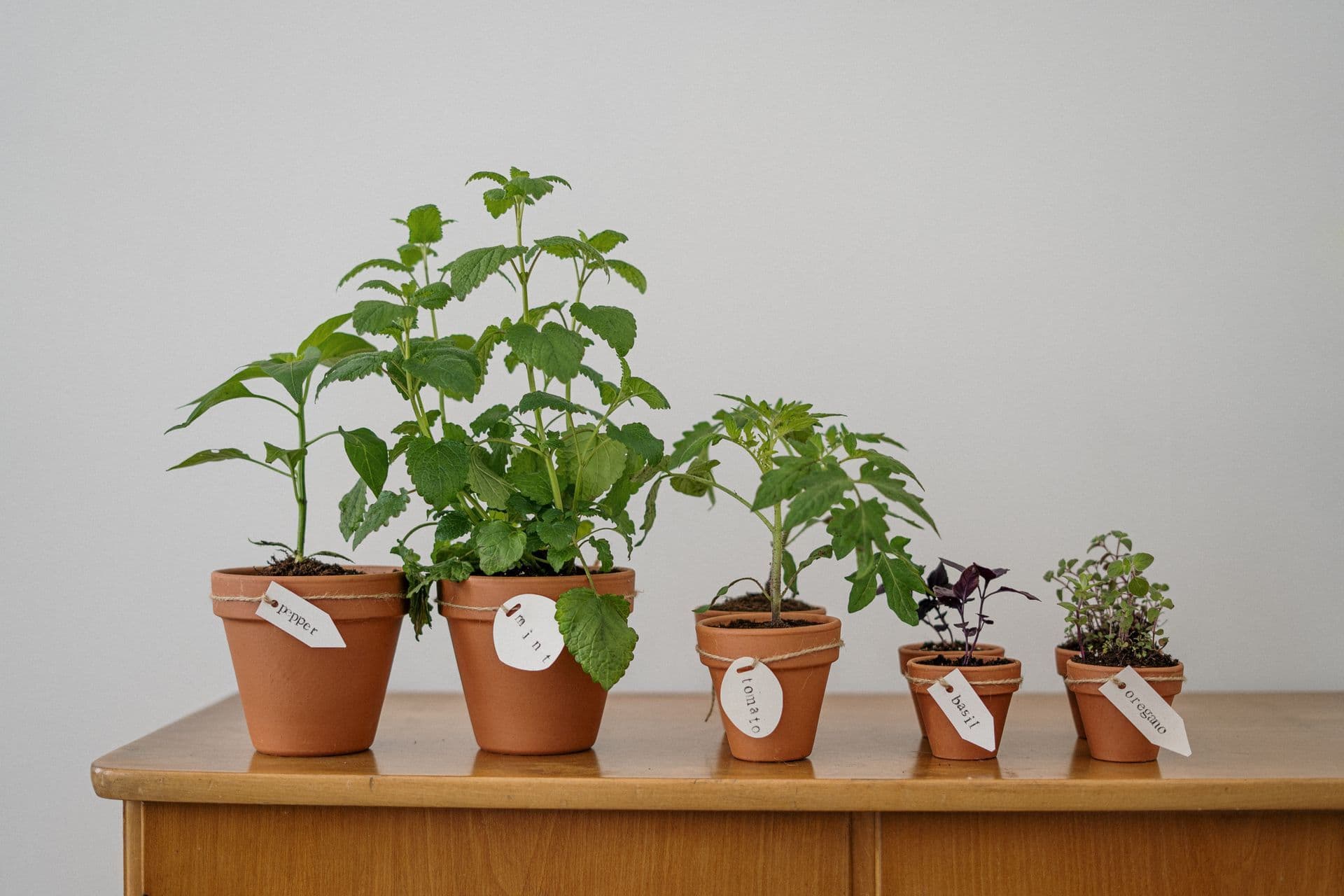
Plant pot sizes can be confusing because the number on the label only tells you part of the required information. A container may look spacious but actually be too shallow. So, how to choose pot size for plant species?
6 min read · 19 Aug 2026
How to Tell if a Plant Is Dead
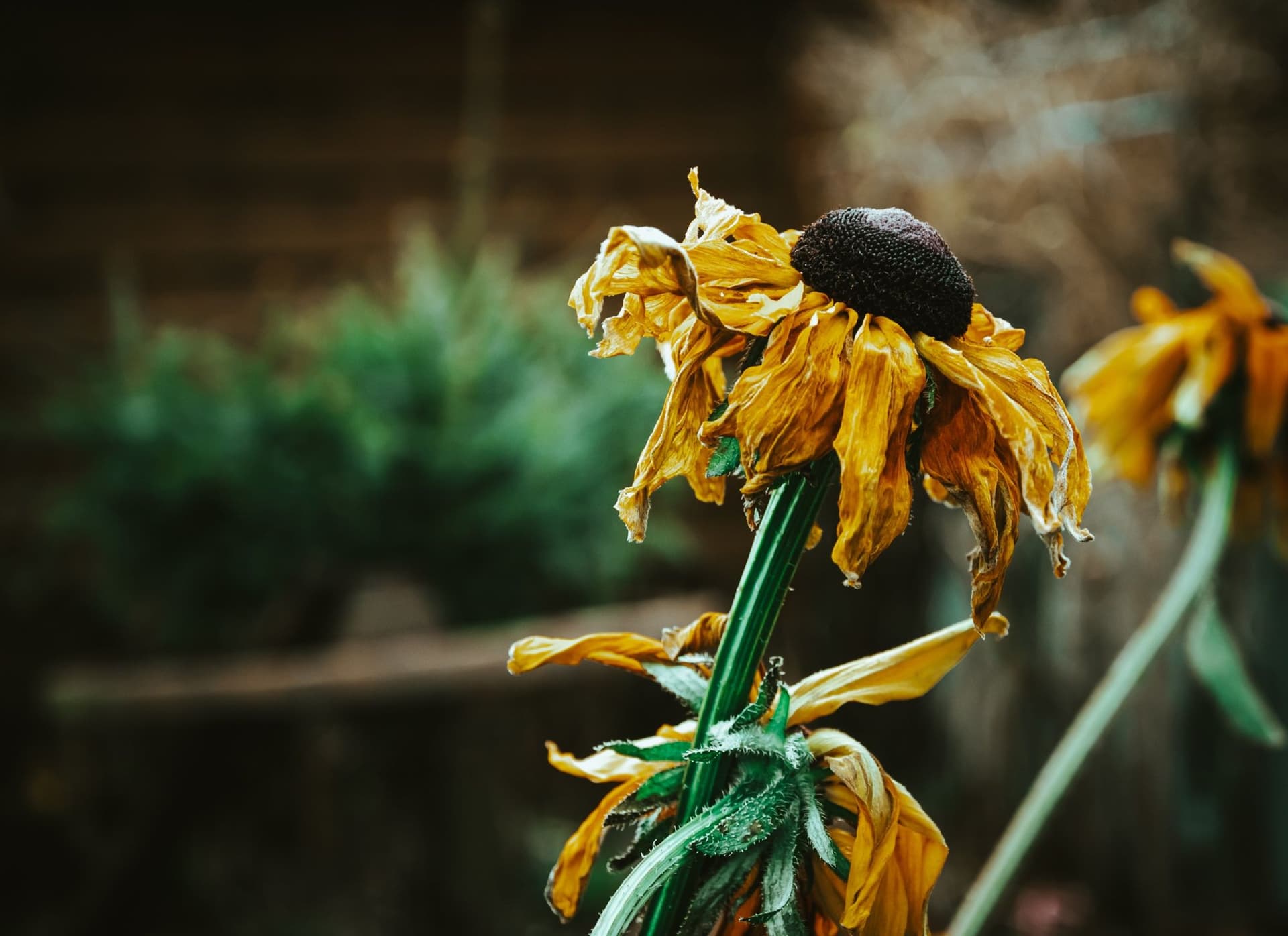
A plant can lose its leaves, stop growing, or collapse and still remain alive. A closer look at the stems, roots, bulbs, and tubers can show whether the plant still has a chance to recover.
Explore Plants by Care Needs
 POPULAR
White Velvet
Tradescantia sillamontana
 POPULAR
Velvet arrowhead
Syngonium wendlandii
 POPULAR
Carrion plant
Stapelia gigantea
 POPULAR
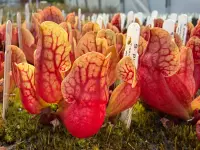
Purple pitcher plant
Sarracenia purpurea
 POPULAR
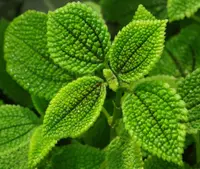
Moon Valley
Pilea mollis
 POPULAR
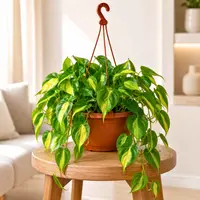
Heartleaf philodendron
Philodendron hederaceum
 POPULAR
Silver squill
Ledebouria socialis
 POPULAR
Nerve Plant
Fittonia albivenis
Identify the plant and problem. Help your plant recover
Identify plant problems early, understand what's wrong, and get clear care guidance. Botan helps you turn guesswork into confident plant care