
Aloe vera Watering Guide

This page explains when, how often, and how much to water Aloe vera in straightforward, practical terms.

Water Requirements

Low Water

Aloe vera Watering

Native to arid regions with infrequent rainfall, Aloe vera is adapted to dry soil and brief moisture pulses. Indoors, watering Aloe vera means letting the mix dry out noticeably, then rehydrating without keeping it consistently damp.

This plant prefers soil that dries between sessions, not steady moisture. In containers or the ground, the basic approach is similar, but outdoor plants usually experience stronger sun and quicker drying.

In most homes, water about every 2–4 weeks, but use soil dryness as the guide. Wait until the mix is completely dry at least 1–2 inches (3–5 cm) down before watering again. Bright light and warm, dry air shorten the interval, while lower light or cooler rooms extend it.

Water Aloe vera when the top half of the potting mix feels completely dry, then hydrate the roots thoroughly in one session.

  • Pour room-temperature water slowly over the soil surface, circling the pot to distribute moisture evenly around the root zone.
  • Keep the central rosette and leaves dry, directing water only onto the potting mix to avoid moisture sitting in leaf crevices.
  • Continue watering until liquid drains from the bottom holes, then let the pot drain fully so no water collects underneath.
  • Use a free-draining cactus or succulent mix so water passes through quickly and the roots re-oxygenate between waterings.

Incorrect moisture levels often stress Aloe vera, disrupting healthy growth and overall appearance.

Yellowing, Mushy Leaves:

Soft, discolored foliage usually indicates prolonged overwatering and suffocating roots in poorly drained soil.

Wrinkled, Curling Leaves:

Shriveled or folding foliage commonly results from underwatering and chronically dry potting mix conditions.

Black, Rotten Root Zone:

Foul smell and blackened roots point to root rot from saturated soil and trapped moisture.

Leaning, Toppling Rosette:

Plant falling sideways often reflects weakened, waterlogged roots or loose, overly moist potting medium.

Leaf Tips Drying Brown:

Crisp, brown tips typically arise from extended dryness, intense sun, or overly mineral-heavy tap water.

Let soil dry well between thorough waterings, prioritizing sharp drainage and modest, infrequent moisture applications.

Unsuitable watering habits can stress Aloe vera, limiting growth and resilience even when light and temperature conditions seem correct.

  • Watering by calendar: Following a fixed schedule ignores how fast soil dries; instead, water only when the mix is fully dry below the surface.
  • Using heavy potting soil: Standard moisture‑retentive mixes stay wet too long; choose a gritty cactus or succulent blend that drains very quickly.
  • Letting runoff sit in saucer: Leaving water under the pot keeps roots submerged; always empty saucers shortly after watering so the root zone can dry.

Safer watering relies on fast‑draining soil, containers that release excess moisture, and timing based on soil dryness, not routine.

  • Spring: As light and temperatures rise, growth usually resumes, so check soil a bit more often and water when fully dry below the surface.
  • Summer: Heat speeds evaporation, so in hot, bright spots monitor soil more frequently, but still let the pot drain and dry thoroughly between waterings.
  • Fall: Growth slows as days shorten, so extend the drying period before watering and reduce any summer watering schedule gradually.
  • Winter: Cooler temperatures and lower light mean slow growth; water sparingly, keeping leaves firm while avoiding prolonged, cold, soggy soil around the roots.

Track Watering. Catch Problems Early

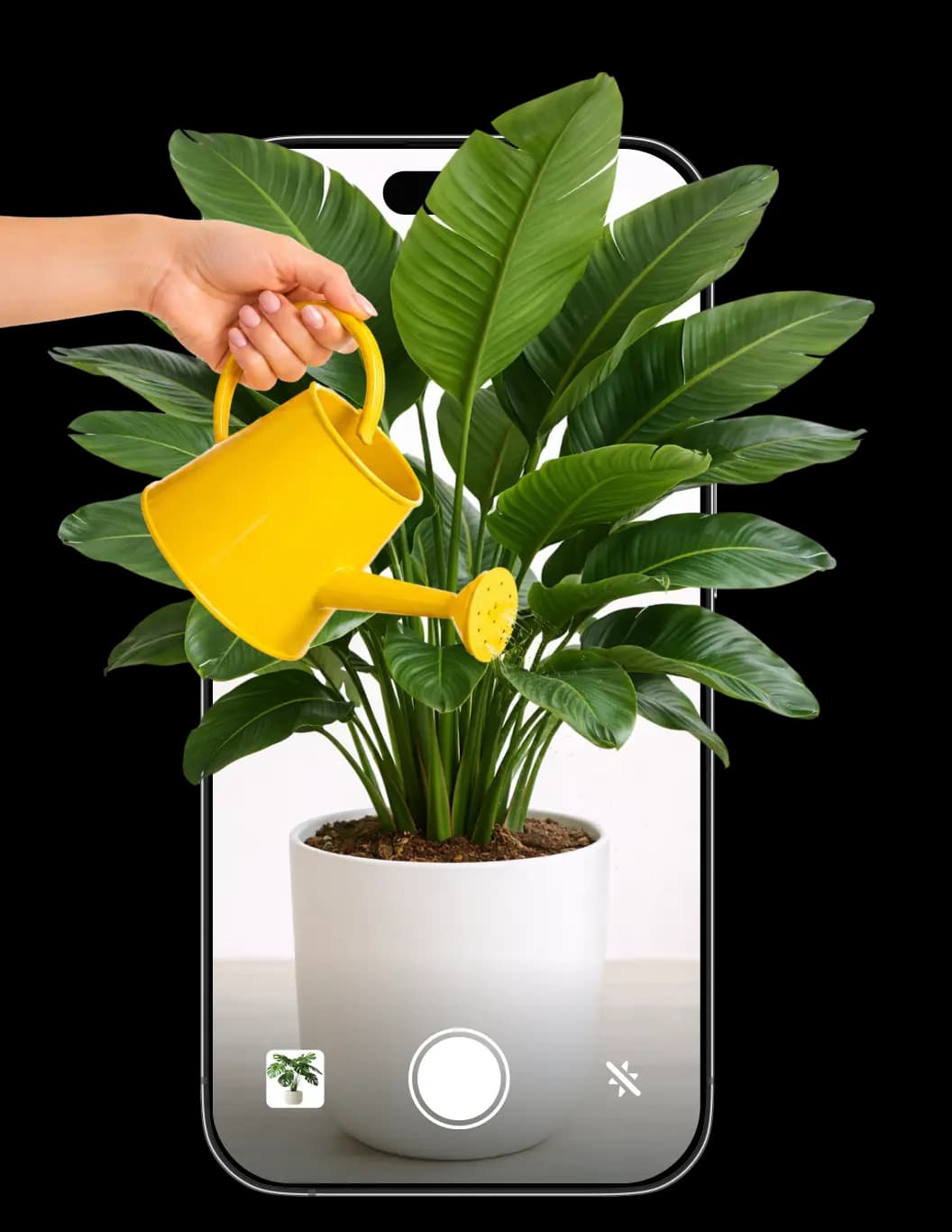
Use Botan to build a simple watering guide and care routine for Aloe vera, and gently monitor plant health with photo-based issue detection before problems become serious.

Botan plant care app — identify plants on mobile

Interesting Watering Facts

Seasonal growth pulses

In its native arid habitats, Aloe vera grows mainly after irregular rain events, then slows almost to dormancy during long dry spells. This pattern explains why many cultivated plants respond best to a soak-and-dry watering cycle rather than frequent light watering.


Shallow, opportunistic roots

Aloe vera forms a shallow, wide root system that rapidly absorbs brief desert rainfalls near the soil surface. In pots, this makes the plant sensitive to compacted or constantly wet substrates, which can suffocate these fine, surface‑oriented roots.

Night-time water use

Aloe vera uses CAM photosynthesis, opening stomata mostly at night to reduce water loss. Well-timed evening watering in very hot climates can align with this pattern and lower stress, provided the soil still dries thoroughly between waterings.

FAQ

Bottom watering is fine if the pot has drainage holes and the mix is very free-draining. Let roots soak from below, then remove excess water so the soil can dry again between waterings.

Everything About Aloe

More Plant Watering Guides

Is Your Watering Routine Hurting Your Aloe vera?

Botan reviews your watering pattern and highlights when adjustments may be helpful.

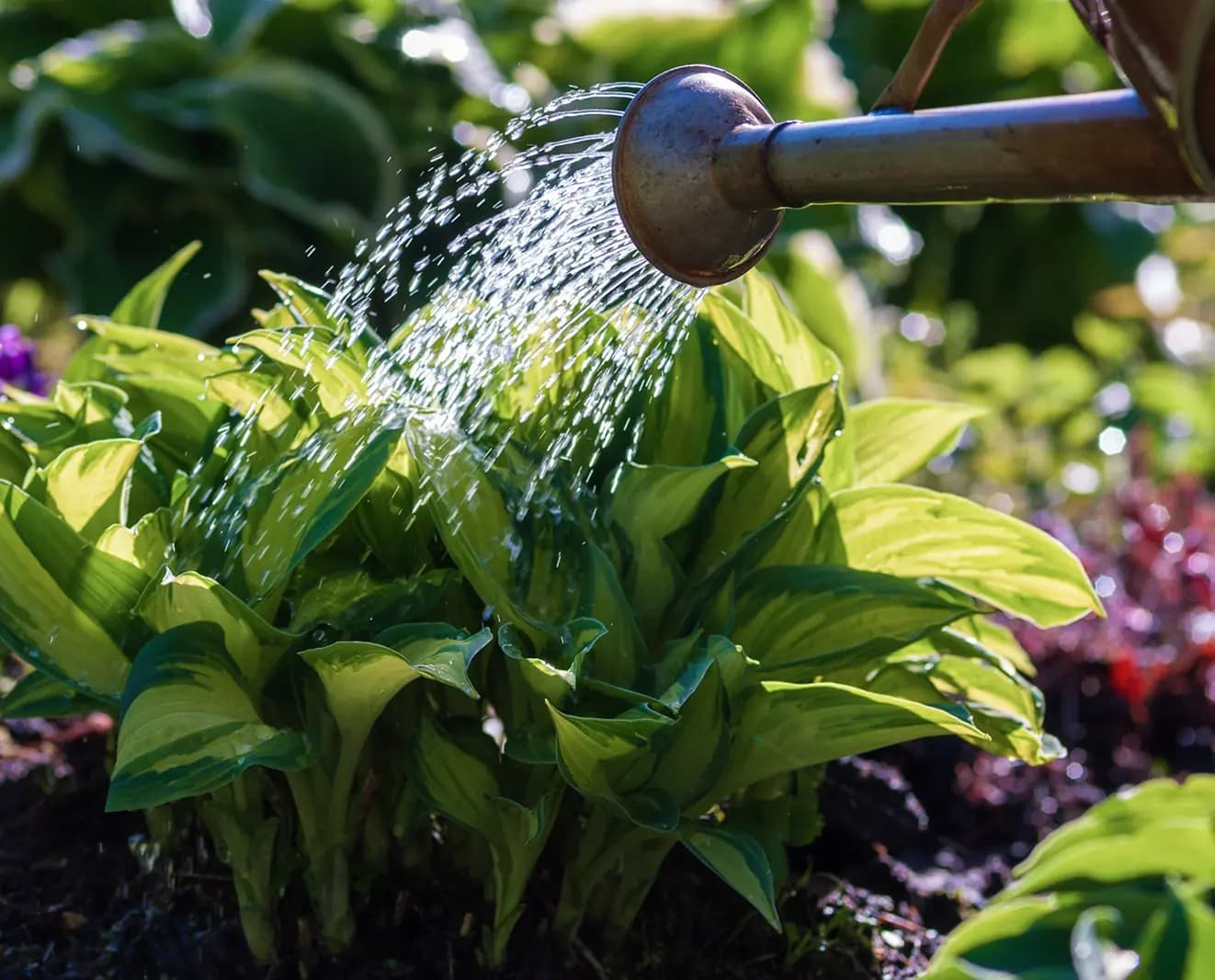
Watering a plant with a copper watering can
What Do Plants Need to Grow – 5 Things Every Greenery Can't Live Without

8 min read · 31 Jul 2026

What Do Plants Need to Grow – 5 Things Every Greenery Can't Live Without

To keep plants healthy and thriving, provide the right balance of light, humidity, nutrients, airflow, and quality soil. This guide covers the essentials of year-round plant care.

Beginner Guides
What Do Plants Need to Grow – 5 Things Every Greenery Can't Live Without
How Long Can Flowers Go Without Water? Everything You Need to Know

6 min read · 10 Jul 2026

How Long Can Flowers Go Without Water? Everything You Need to Know

Flowers can survive without water anywhere from 1-2 hours to several months, depending on the plant type, species, and growing conditions. Some strong-looking flowers are drought-sensitive, while delicate-looking plants may tolerate long dry periods surprisingly well.

Plant Care
How Long Can Flowers Go Without Water? Everything You Need to Know
Top 15 Fast-Growing Trees For Your Garden

13 min read · 28 Jul 2026

Top 15 Fast-Growing Trees For Your Garden

Learn which of the 15 fastest-growing trees will suit your area. We’ll share detailed information on each: growth rate, mature spread, key tree demands, and main vulnerabilities. Read on and make the best choice possible.

Plant Recommendations
Top 15 Fast-Growing Trees For Your Garden