

Aloe (Aloe vera) Light Needs

Aloe vera grows best in full sun to very bright light, with several hours of direct sun.

Light Preference

Full Sun

Aloe vera Light Requirements

In habitat, Aloe vera grows in dry, open landscapes where sunlight is strong, rainfall is limited, and shade is sparse. Its thick leaves store water and tolerate bright exposure, but sudden changes from indoor light to harsh sun can still scorch the surface.

Cultivated plants perform best when light is close to those open, sunny conditions. Preferred light is full sun or very bright partial sun.

  • Ideal exposure:

    Aloe vera needs about 6–8 hours of full sun or very bright partial sun daily, including 3–4 hours of direct sun.

  • Direct sun:

    Mature, acclimated plants can tolerate longer direct sun, especially outdoors or behind a bright window.

  • Low light:

    Low light is not suitable for long-term growth and often leads to stretched, weak leaves.

  • Afternoon intensity:

    Hot afternoon sun can be risky after indoor conditions, so increase exposure over 1–2 weeks.

Indoors, this plant needs the brightest window area available for sturdy growth.

NPoor
North-facing window:

A north-facing window is usually too dim for compact growth unless another strong light source is nearby.

ESuitable
East-facing window:

Place it within 1–2 ft of the glass so it receives gentle morning direct sun and bright light afterward.

SBest
South-facing window:

A south-facing window is often best when the plant is acclimated, with slight distance or a sheer curtain if leaves scorch.

WConditional
West-facing window:

A west-facing window can work, but afternoon sun may need filtering during hot months or after a recent move.

Choose the brightest stable position available, then adjust distance or filtering based on leaf color and surface damage.

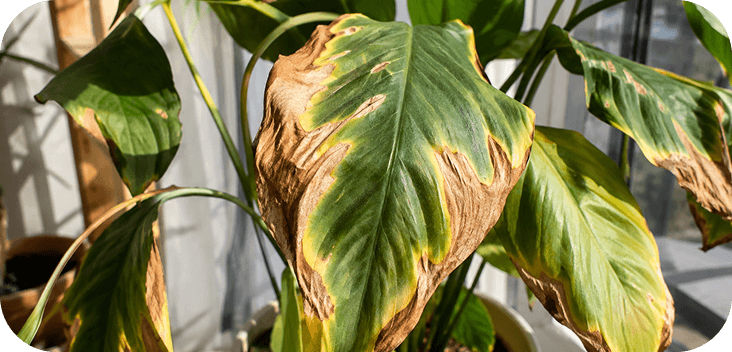
Excess light usually appears after a sudden move into stronger sun.

Bleached patches:

Pale tan or whitish areas can form on sun-facing leaf surfaces after abrupt direct exposure.

Reddish stress color:

Leaves may take on bronze or red tones when sun and heat exceed what the plant is used to.

Dry sunken spots:

Damaged tissue can become rough, papery, or slightly sunken rather than evenly green and firm.

Tip shriveling:

Leaf tips may look dried when intense sun combines with high heat.

Move Aloe vera back from the hottest rays or add light filtering. Reintroduce direct sun gradually over 1–2 weeks.

Weak light changes the shape of new growth over time. It is most noticeable during active growth.

  • Stretching:

    Leaves may grow longer, thinner, and less sturdy as the plant reaches toward brighter light.

  • Leaning rosette:

    The whole crown can angle toward the light source when brightness comes from one weak direction.

  • Loose growth:

    New leaves may sit more upright and spaced apart instead of forming a compact rosette.

  • Small new leaves:

    Fresh growth can emerge narrow or undersized when light stays too low.

  • Little flowering:

    Mature plants are less likely to bloom indoors without strong light.

Move Aloe vera to the brightest available spot and increase direct sun gradually.

When ideal full sun is not available, choose the brightest spot in the home and give at least several hours of direct or near-direct light.

Rotate the pot a quarter turn every 1–2 weeks to keep the rosette balanced. Use a sheer curtain only when midday or afternoon rays leave pale patches.

Avoid deep rooms and shelves far from glass because this setup stays too dim for compact growth.

Get Light Advice

Botan shows whether your plant is getting the light it needs.

FAQ

For how much light does Aloe vera need, aim for about 6–8 hours of bright exposure daily, with 3–4 hours of direct sun when possible.

Everything About Aloe

More Plant Light Guides

Is Light the Problem?

Noticed leaves fading or stretching? Snap a photo — Botan checks if your plant's light matches what its species actually needs.

Botan app identifying a plant with a phone camera
What Do Plants Need to Grow – 5 Things Every Greenery Can't Live Without

8 min read · 31 Jul 2026

What Do Plants Need to Grow – 5 Things Every Greenery Can't Live Without

To keep plants healthy and thriving, provide the right balance of light, humidity, nutrients, airflow, and quality soil. This guide covers the essentials of year-round plant care.

Beginner Guides
What Do Plants Need to Grow – 5 Things Every Greenery Can't Live Without
How Long Can Flowers Go Without Water? Everything You Need to Know

6 min read · 10 Jul 2026

How Long Can Flowers Go Without Water? Everything You Need to Know

Flowers can survive without water anywhere from 1-2 hours to several months, depending on the plant type, species, and growing conditions. Some strong-looking flowers are drought-sensitive, while delicate-looking plants may tolerate long dry periods surprisingly well.

Plant Care
How Long Can Flowers Go Without Water? Everything You Need to Know
Top 15 Fast-Growing Trees For Your Garden

13 min read · 28 Jul 2026

Top 15 Fast-Growing Trees For Your Garden

Learn which of the 15 fastest-growing trees will suit your area. We’ll share detailed information on each: growth rate, mature spread, key tree demands, and main vulnerabilities. Read on and make the best choice possible.

Plant Recommendations
Top 15 Fast-Growing Trees For Your Garden