Plant Pot Sizes: How to Choose the Right Plant Container
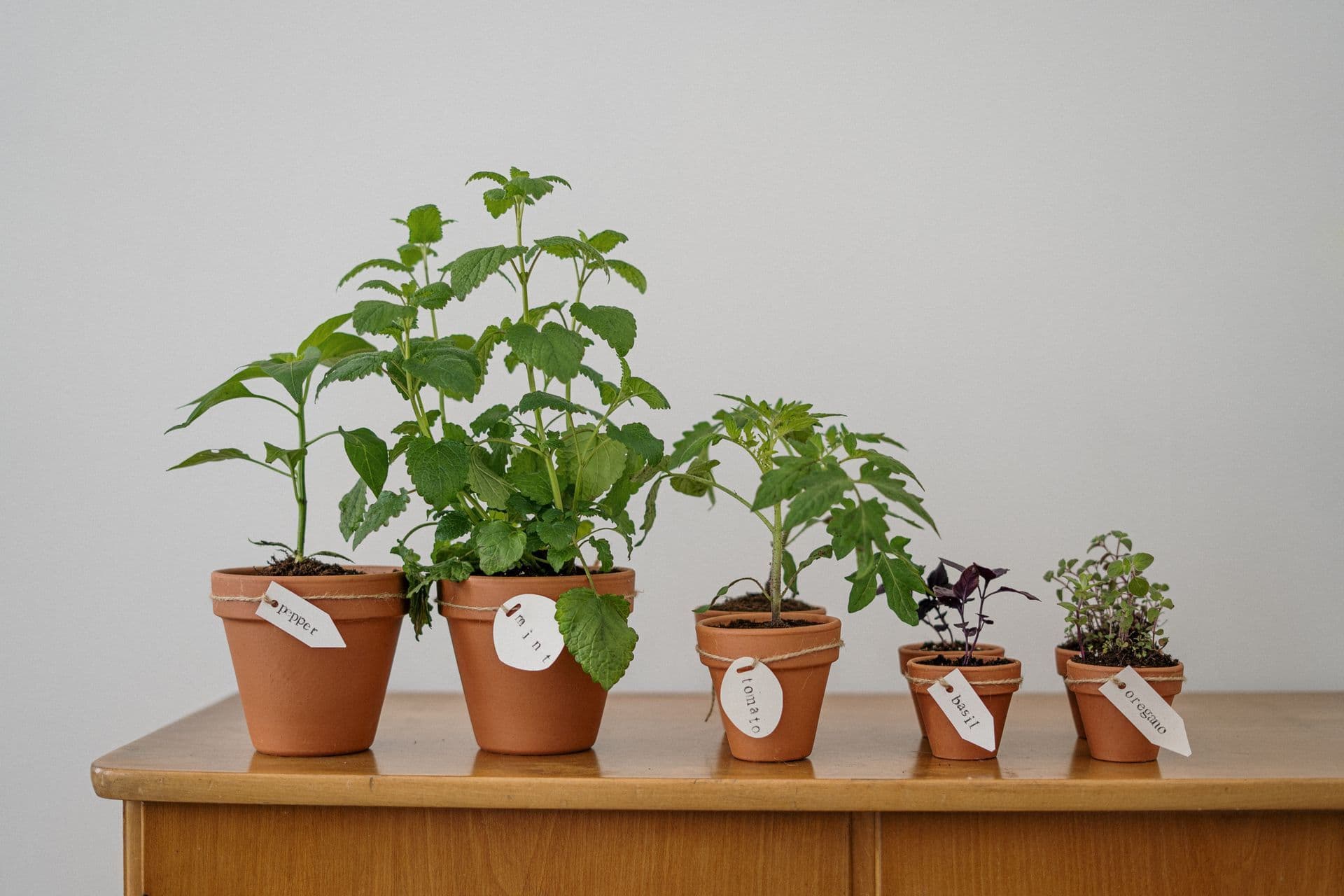
Plant pot sizes can be confusing because the number on the label only tells you part of the required information. A container may look spacious but actually be too shallow. So, how to choose pot size for plant species?

On this page
- How to Measure Pot Size
- Pot Diameter vs. Depth: Why Both Matter
- Plant Container Size Chart
- How to Know What Size Pot Your Plant Needs
- How to Choose Pot Size for Plant Type
- Small and Slow-Growing Plants
- Medium, Actively Growing Plants
- Large or Fast-Growing Plants
- How Pot Shape Affects Plant Growth
- Round Pots
- Square and Rectangular Pots
- 5 Common Pot Sizing Mistakes
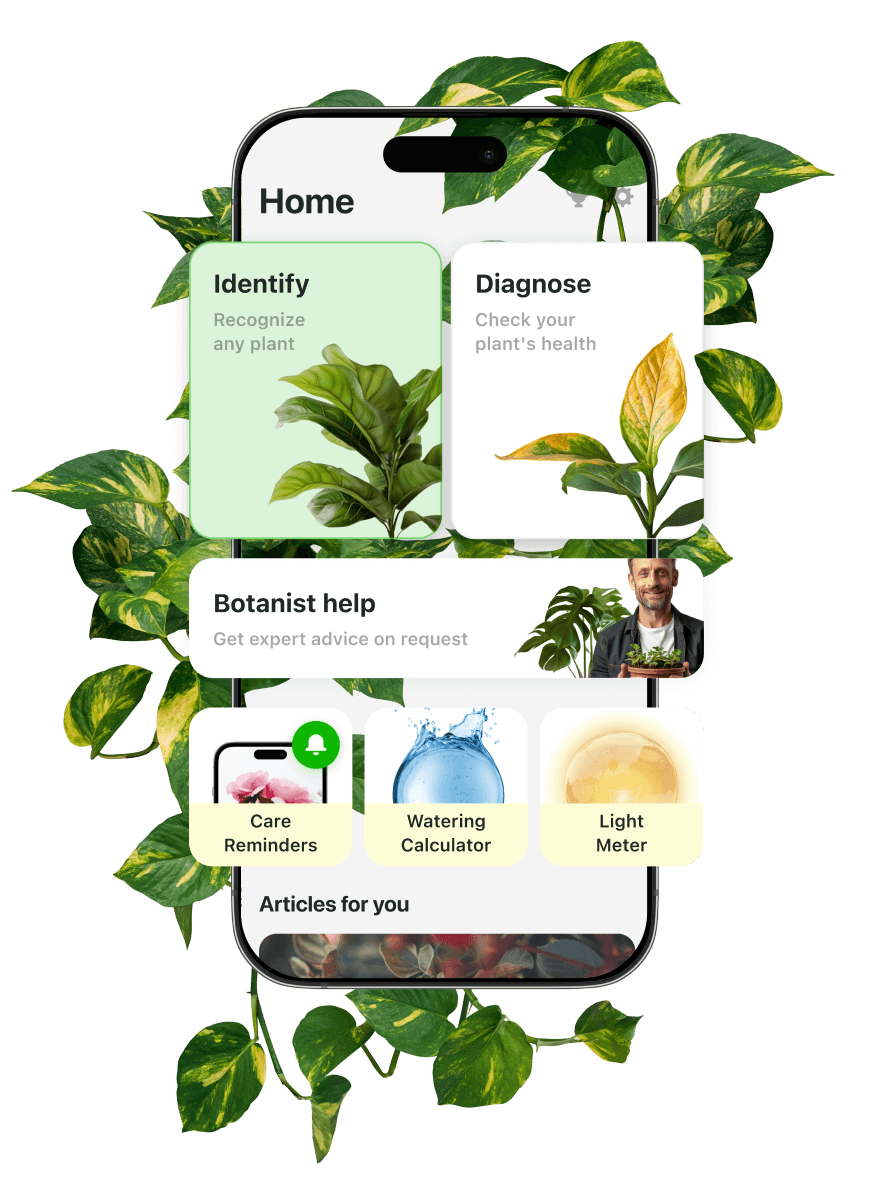
Choose a container slightly larger than the current root ball, with sufficient depth and good drainage. The type of plant also matters — Botan can help you identify succulents, houseplants, and even trees before you select a container. Read on to learn how to measure a container, compare common sizes, and find the right shape for your plant.
How to Measure Pot Size
You can measure pots by the width across the top rim. Height is usually not included in the stated size. Here is how to measure a pot by using a ruler or tape:
- Measure directly across the top opening.
- Check the distance from one edge to the other.
- For round containers, measure the widest point.
- Measure the depth separately, from the inside bottom to the rim.
- Check the bottom width if the pot is narrow.
There's one small caveat: the outer and inner diameters are not the same. The outer number includes the pot walls, and the inner number indicates how much space the soil and root ball actually occupy.
This difference is important for thick ceramic containers. It's also important when you want to place a pot from a nursery in a decorative cover. The same check is useful before planting in a new container.
Your Personalized Care Plan
Get personalized plant care recommendations in the app
Pot Diameter vs. Depth: Why Both Matter
People usually choose plant pot sizes by diameter. However, depth is also important for roots. Some houseplants grow through the top layer of soil, others root deeper. A wide and shallow pot may be good for one species and not for another.
Plants with deep root systems need ample vertical space. Species with shallow root systems often thrive in shallow containers. Depth also affects the soil's ability to retain water. In a deep pot, soil can stay wet at the bottom longer.
Experts recommend different soil depths for plants with shallow, medium, and deep root systems. So, check the diameter and don't simply ignore the depth.

Plant Container Size Chart
This plant container size chart can help you select the right container. Use it as a rough guide and remember that actual capacity varies depending on the shape, taper, and wall thickness.
Pot diameter | Approx. U.S. gallon equivalent* | Approx. soil needed* | Typical plant size or stage | Example plants |
4 in | 0.1–0.2 gal | 0.02 cu ft | Seedlings or tiny starts | Small succulents, young herbs |
6 in | 0.25–0.5 gal | 0.05 cu ft | Small established | African violet, small peperomia |
8 in | About 1 gal | 0.13 cu ft | Small to medium | Pothos, young jade plant |
10 in | About 3 gal | 0.4 cu ft | Medium | Herbs, compact foliage plants |
12 in | About 5 gal | 0.65 cu ft | Larger established | Lettuce groupings, medium tropicals |
14–16 in | 7–10 gal | 0.9–1.3 cu ft | Large plant or compact shrub | Rosemary, larger tropicals |
Use the chart to narrow down your options. Then, inspect the roots before choosing the final container size.

How to Know What Size Pot Your Plant Needs
Plants often give signs when a pot is becoming too small. If you are trying to figure out how to know what size pot for plant, check the roots first. They give the following signs when they need a larger size:
- Roots are tightly twisted inside the container.
- Roots are pushing through the drainage holes.
- Water is seeping almost instantly.
- Soil is drying out much faster than before.
- Growth has slowed for no apparent reason.
- The plant is constantly tipping over.
Increase the pot size by only one inch when repotting your plant. A larger container gives a small root system too much wet soil — this is where problems often begin.
Not sure what kind of plant you have?
Use Botan for accurate ID and learn about its care needs
How to Choose Pot Size for Plant Type
A plant container size guide becomes more useful when you stop focusing solely on leaf size. Roots are important, and growth rate matters too. The way a plant spreads can influence the best container for it.

Small and Slow-Growing Plants
Small houseplants don't need a drastic upgrade just because you found a good pot. Slow-growing species often thrive in a fairly cramped pot. This is common with many succulents. The Jade plant is a good example — it stores water in its thick leaves and doesn't require a lot of moist soil.
When choosing a container for such species, check the root ball first. If roots still have room, leave the plant alone. Repotting too early won't give you additional growth. When you do decide to increase the size, repotting into a container one or two inches larger is usually sufficient for many small houseplants.

Medium, Actively Growing Plants
Medium-sized plants can fill a pot surprisingly quickly during active growth. Inspect the roots around the edges, and also check the drainage holes. A slightly wider pot usually provides enough space without creating excessive bulk.
Growth habits can influence your choice as well. For instance, Philodendron gloriosum creeps rather than climbs straight up. A long planter is often more practical than a narrow and deep one. Give the rhizome room to grow. This space is more beneficial than additional depth.

Large or Fast-Growing Plants
Large plants need space. They also need a container that allows them to stand upright. However, don't immediately transplant them from a small container into a huge floor planter.
Weight is also a factor you should keep in mind. A tall and leafy plant in a very light narrow pot can become a wobbling mass. Plus, some species such as Hoya hearts grow much more slowly than their leaves indicate. So, always check the roots and don't choose a pot size based solely on the foliage.

How Pot Shape Affects Plant Growth
When selecting the required pot sizes for plants, check the shape too. It affects soil volume, root space, drying speed, and stability.
Round Pots
Round pots are suitable for many common houseplants. They are easy to find and move. Conical ones are convenient if you use decorative lids — such containers slide in and out without much effort.
A tall and round pot is suitable for deep roots. A low bowl may be more suitable for shallow roots. In the list of all plants, succulents are those that need low containers with good drainage. There, the soil can dry out faster.
For tall species, containers require additional inspection. Before purchasing, pay attention to the width of the base. A narrow base can make the entire structure unstable. Adding moss support or a thick layer of above-ground growth will exacerbate the problem.

Square and Rectangular Pots
Square pots make efficient use of shelf space and you can line them up without awkward gaps. They often hold slightly more soil than round pots of similar dimensions. Rectangular pots are convenient for climbing plants. They are also suitable for several species with similar care needs.
Avoid crowding too many root balls into a single long container. Crowding creates its own problems. Drainage is important throughout the entire base as well. A long pot with one tiny hole can leave damp spots at the opposite end.

5 Common Pot Sizing Mistakes
It's easy to make a mistake when deciding between plant pot sizes. Most mistakes stem from choosing a pot based on appearance rather than root space. Beware of:
- Repotting into a container several sizes larger.
- Estimating width without taking depth into account.
- Measuring the outer rim instead of the inner hole.
- Forgetting about drainage.
- Using a narrow and lightweight pot for a tall plant.
A pot that's too large often stays moist longer. A too-small one can dry out incredibly quickly. Start by exploring the root ball and then consider the shape, growth habits, and soil drying speed.
FAQ
Yes. Too much unused soil can remain moist longer than the roots need. This can lead to root problems.
Alex Yar
Plant Expert
7+ years of experience studying plants, researching their diseases, and examining their characteristics.
Alex is a plant expert and writer with more than 7 years of experience studying plants, their growing requirements, and their responses to environmental conditions. His areas of expertise include plant care, disease recognition, stress diagnosis, pest-related problems, and the distinctive characteristics of different species.
Over the years, Alex has developed a strong practical understanding of how light, temperature, humidity, watering, soil conditions, and nutrition affect plant health. He combines careful observation with in-depth research to explain effective care and recovery methods.
Alex has extensive hands-on experience caring for houseplants. His articles translate complex botanical topics into clear guidance that helps you better understand your plants and recognize early warning signs.
Related Articles
.jpg&w=2880&q=75)
8 min read · 10 Sept 2026
10 Easy Garden Flowers to Grow
Discover 10 garden flowers that require minimal care. Learn which characteristics make plants easy to grow and follow tips on how to create a beautiful corner from beginner-friendly blooms on your property.
5 min read · 4 Sept 2026
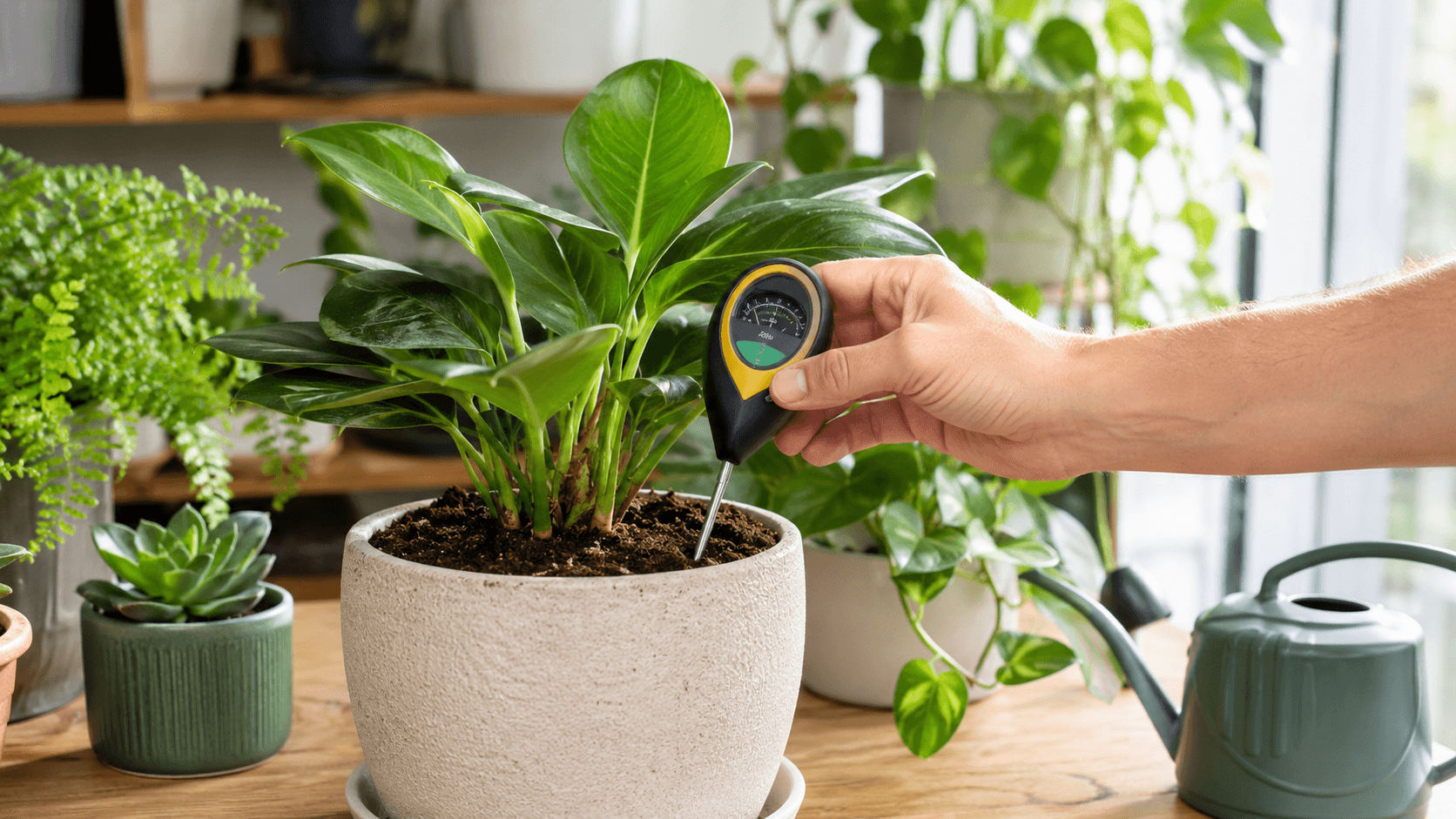
How to Use a Moisture Meter for Plants
Watering by feel kills plenty of houseplants. A moisture meter checks the soil for you, and takes the guesswork out of it. This guide will show you how to use it correctly, from the first touch to the final reading.
6 min read · 19 Aug 2026
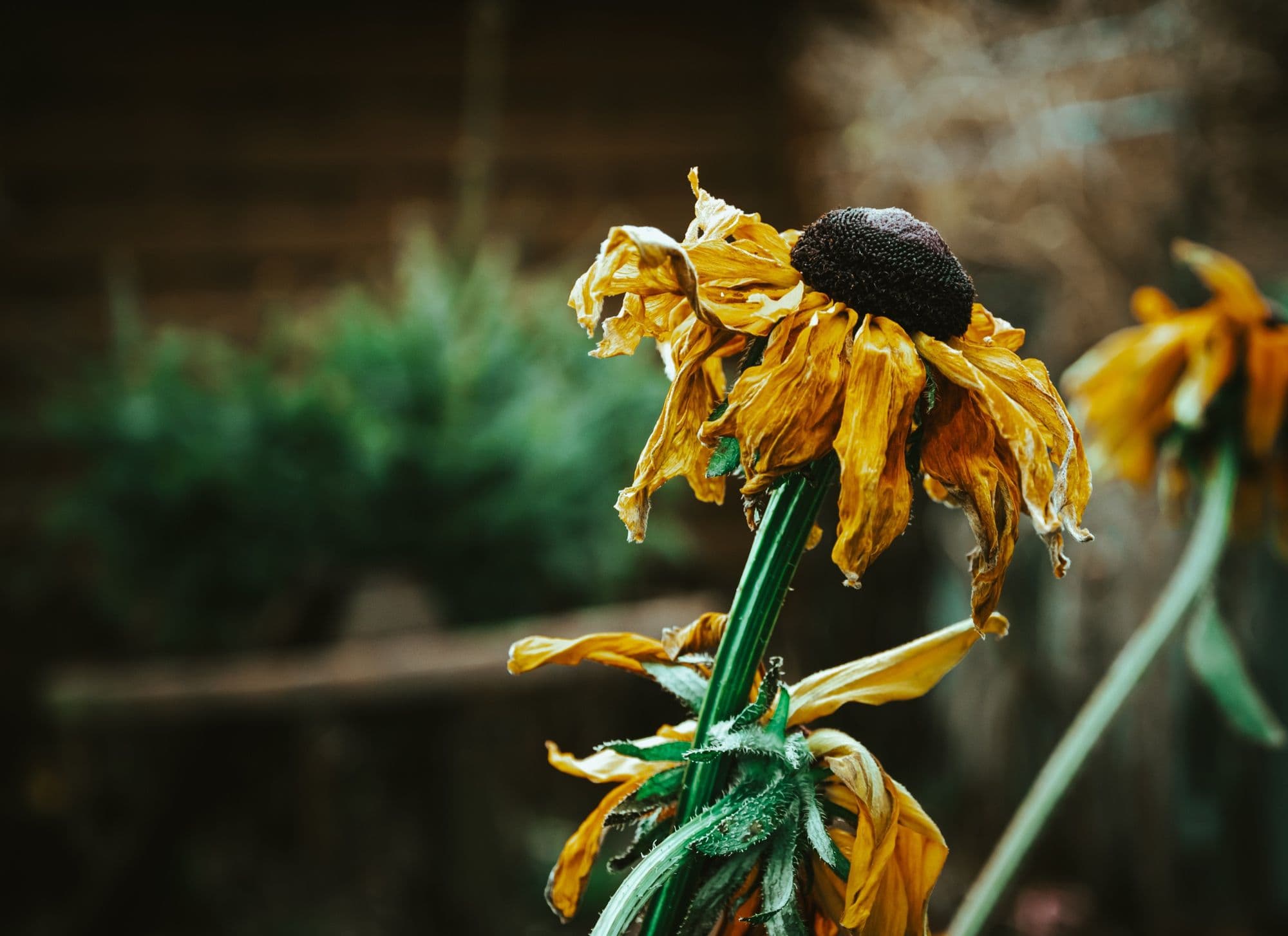
How to Tell if a Plant Is Dead
A plant can lose its leaves, stop growing, or collapse and still remain alive. A closer look at the stems, roots, bulbs, and tubers can show whether the plant still has a chance to recover.
Explore Plants by Care Needs
Identify the plant and problem. Help your plant recover
Identify plant problems early, understand what's wrong, and get clear care guidance. Botan helps you turn guesswork into confident plant care