How to Tell if a Plant Is Dead
A plant can lose its leaves, stop growing, or collapse and still remain alive. A closer look at the stems, roots, bulbs, and tubers can show whether the plant still has a chance to recover.

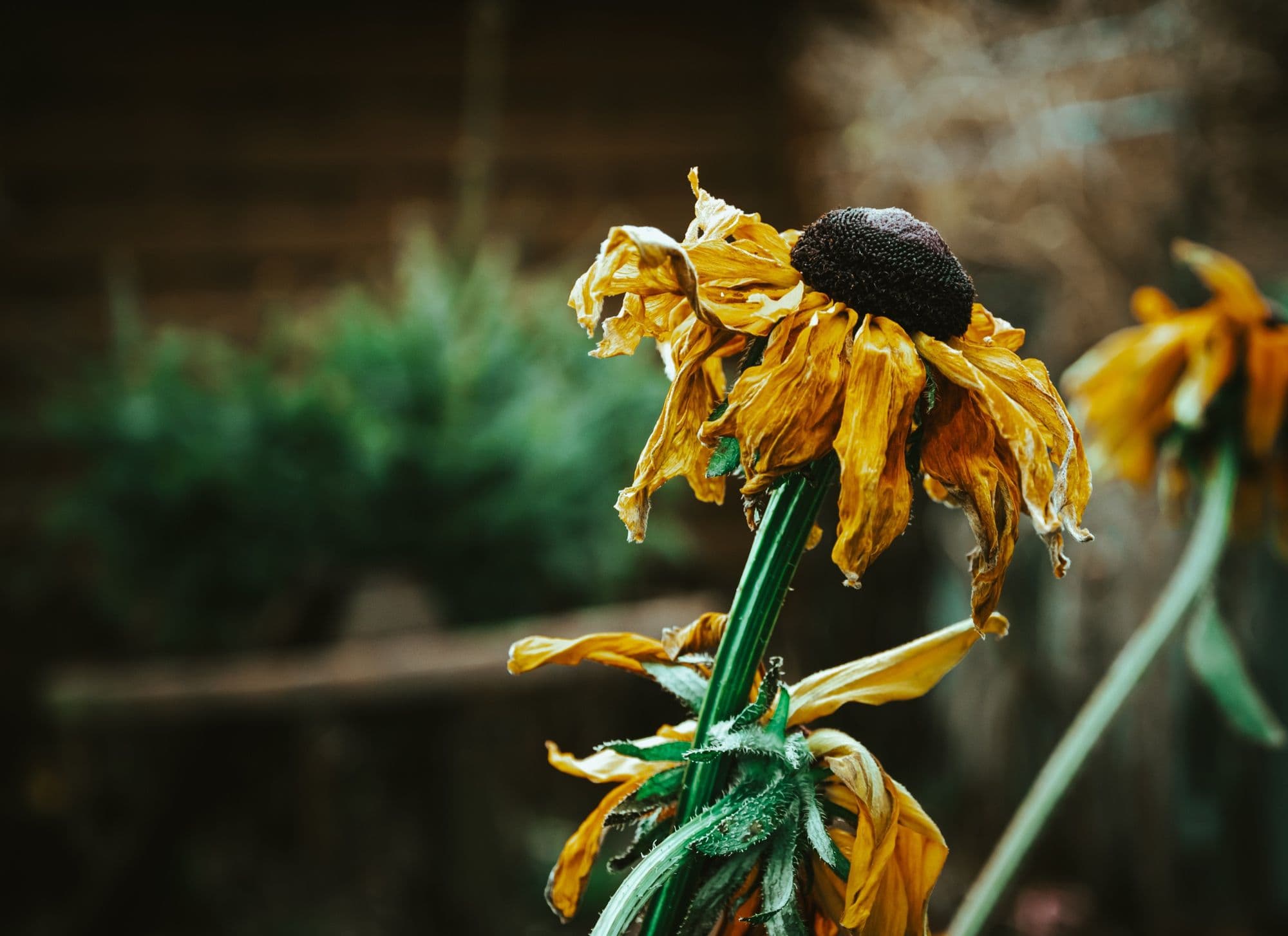
Wondering how to tell if a plant is dead? Start by checking for living tissue in the stem, roots, bulb, or tuber. Botan can help identify the species and possible health problems, while a few physical checks show whether recovery is still possible.
What Does a Dead Plant Look Like?
What does a dead plant look like once temporary stress or dormancy has been ruled out? A dead plant usually shows the same pattern in more than one place. Check the stems, roots, crown, and any bulbs or tubers before deciding.
- Woody stems are brown inside, dry, and snap with little pressure.
- Leaves are completely dry and crisp or visibly decomposing, with no healthy buds nearby
- Roots are mushy and smell unpleasant, or have become dry, hollow, and brittle.
- The crown, bulb, or tuber is soft, collapsed, or visibly rotted.
- No buds or shoots appear during the species’ normal growing period, even under suitable conditions.
One sign alone cannot confirm death because dormancy, cold injury, drought stress, and severe root damage can create a similar appearance.

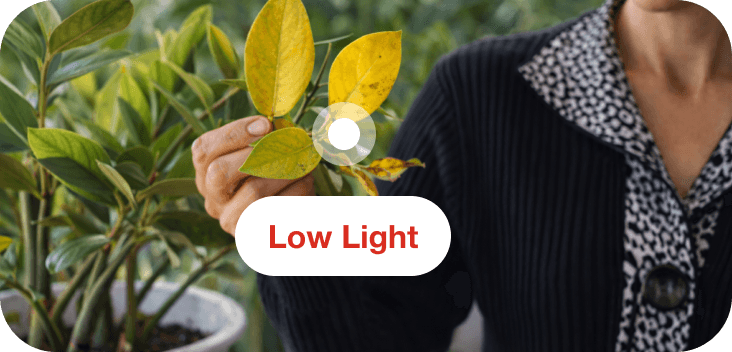
Fix Plant Problems
Leaves turning yellow or falling off? Find the cause and solutions
Plants That Look Dead but Are Not
Plants that look dead but are not may be dormant or responding to a seasonal change, with living tissue remaining in a bulb, tuber, crown, or stem.
Species | “Dead” Appearance | Trigger | How to Check |
Caladium bicolor | Brown, collapsed foliage leaves the pot looking empty | Cooler fall temperatures | For Caladium bicolor, the tuber should feel firm, without soft or moldy areas. |
elephant bush (Portulacaria afra) | Bare succulent stems after sudden leaf drop | Moving indoors to lower light | For elephant bush, look for firm green stems and buds where leaves were attached. |
hosta (Hosta spp.) | Foliage yellows and disappears above the soil | Autumn dieback and winter dormancy | In spring, look for a firm crown and pointed shoots at the soil line. |
amaryllis (Hippeastrum spp.) | Dry leaves leave a bare bulb | A rest period after active growth | A firm, dry bulb without mold or soft areas remains viable. |
bleeding heart (Lamprocapnos spectabilis) | Foliage yellows and disappears | Natural summer dormancy, often earlier in heat or dry soil | Mark the spot, leave the crown undisturbed, and watch for shoots the following spring. |
ponytail palm (Beaucarnea recurvata) | Brown leaf tips and the loss of older foliage create a sparse crown | Irregular watering, salt buildup, or natural leaf aging | For ponytail palm, check the central crown and swollen trunk base. Both should feel firm rather than soft or collapsed. |
Missing leaves alone do not confirm death, so check the parts of the plant that remain.
What to Do if Your Plant Is Dying
What to do if your plant is dying depends on the species and the cause. Wilting and yellow leaves may result from overwatering, dry soil, damaged roots, pests, disease, or a sudden change in light.
Check soil moisture, roots, stems, and both sides of the leaves. Also consider any recent change in temperature, location, or watering. The plant problem guides can help narrow down likely causes, including common gardening mistakes, once the species is known. Identifying the cause first is the only reliable way to choose the next step — such as improving drainage, treating pests, pruning damaged tissue, or revising the watering routine.
Check the Likely Cause
Use Botan to check possible plant problems
How to Tell if Roots Are Dead
To learn how to tell if roots are dead, inspect several areas instead of relying on one visible root. For a potted plant, gently slide it from the container and loosen a little soil. For an in-ground plant, uncover a small section near the crown.
Healthy roots feel firm and hold together, though their color varies by species and age. Rotting roots feel soft or slimy and may have an unpleasant odor. Dead roots can also become dry, hollow, or brittle after severe dehydration.
Any roots that remain firm and intact are still alive.

Can a Plant Recover if Only the Roots Are Still Alive?
Yes, in some cases. Living roots can support regrowth only if the plant also has a healthy crown — the base where roots and stems meet — a dormant bud, or another growth point. Many perennials lose all visible top growth during dormancy and return from surviving underground parts. If no growth point remains, roots alone may not produce new stems or leaves.
Remove only clearly dead growth with clean tools, then correct the original problem. Follow the species’ normal light and moisture needs, and avoid waterlogged soil. New shoots may appear during the next active growing period rather than immediately. If the crown is soft or rotted and no growth appears at the expected time, recovery is unlikely.
Can a Plant Recover if Only the Stem Is Still Alive?
Sometimes. A living stem may recover if it still has a viable bud and enough healthy roots to support new growth. On woody plants, gently scratch a very small patch of bark. Green tissue beneath the bark means that section is alive; dry brown tissue means it is dead.
Some plants can grow into new plants from a stem cutting with a healthy node — the point where a leaf or bud joins the stem. Cut away dead or rotting tissue with clean tools. Then correct the original problem and return the plant to its usual light and moisture conditions. Spreading decay or the loss of every viable bud and node leaves little chance of recovery.
When to Accept a Plant Is Dead
A plant is beyond recovery when none of the roots, crown, stem, bulbs, or tubers contains firm living tissue. Rot may have spread through the crown or roots, while woody stems are brown beneath the bark and other tissues have turned dry and brittle. For species on the list of annual plants, death after flowering and seed production can mark the end of the life cycle.
First, rule out dormancy and wait through the species’ active season. If no buds or shoots emerge and no living tissue remains, further treatment is unlikely to help. At that point, remove the vegetation.
FAQ
Yes. But it can remain alive if healthy tissue survives in the stem, crown, roots, bulb, or tuber, especially during dormancy.
Alex Yar
Plant Expert
7+ years of experience studying plants, researching their diseases, and examining their characteristics.
Alex is a plant expert and writer with more than 7 years of experience studying plants, their growing requirements, and their responses to environmental conditions. His areas of expertise include plant care, disease recognition, stress diagnosis, pest-related problems, and the distinctive characteristics of different species.
Over the years, Alex has developed a strong practical understanding of how light, temperature, humidity, watering, soil conditions, and nutrition affect plant health. He combines careful observation with in-depth research to explain effective care and recovery methods.
Alex has extensive hands-on experience caring for houseplants. His articles translate complex botanical topics into clear guidance that helps you better understand your plants and recognize early warning signs.
Related Articles
.jpg&w=2880&q=75)
8 min read · 10 Sept 2026
10 Easy Garden Flowers to Grow
Discover 10 garden flowers that require minimal care. Learn which characteristics make plants easy to grow and follow tips on how to create a beautiful corner from beginner-friendly blooms on your property.
5 min read · 4 Sept 2026
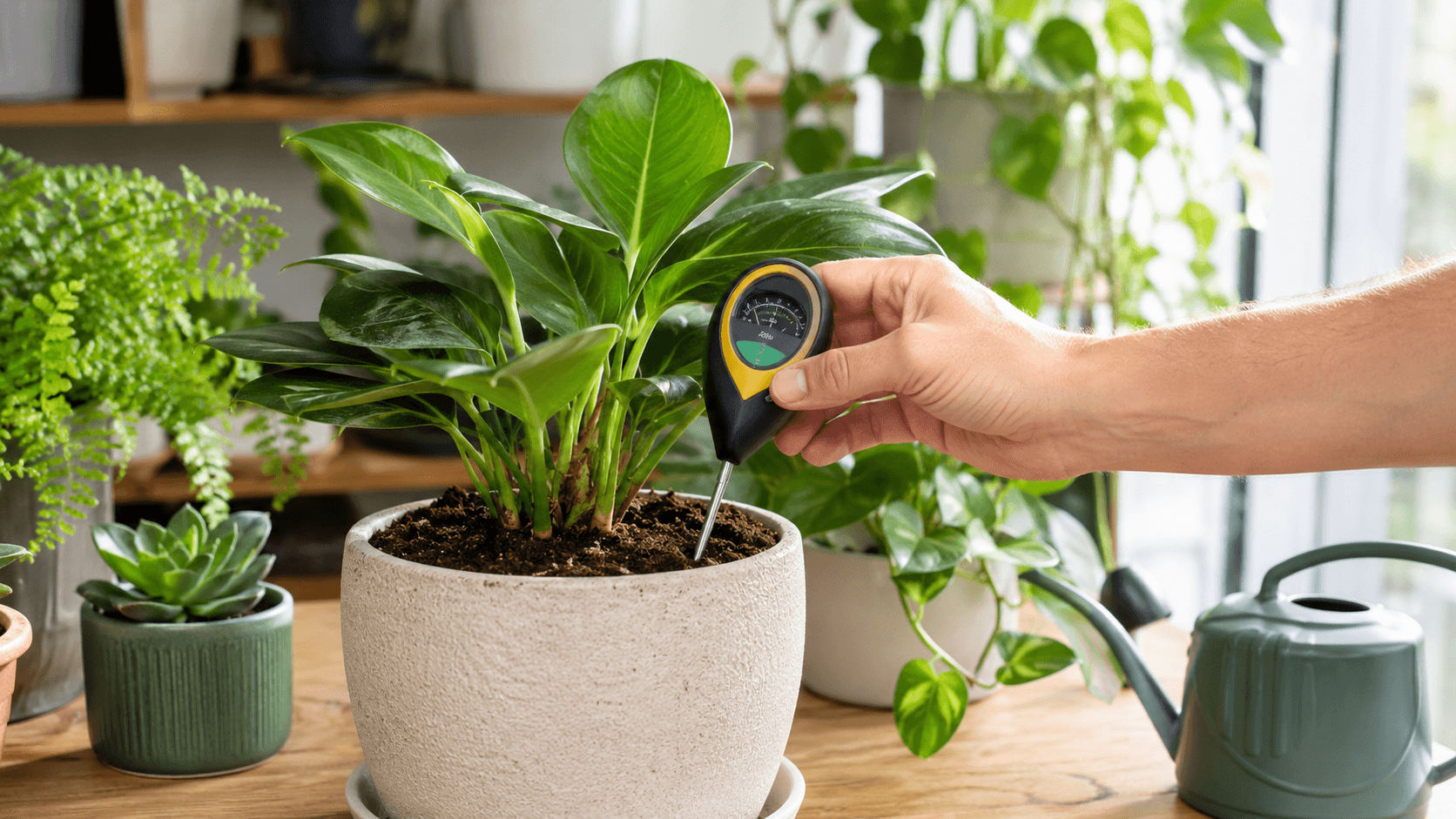
How to Use a Moisture Meter for Plants
Watering by feel kills plenty of houseplants. A moisture meter checks the soil for you, and takes the guesswork out of it. This guide will show you how to use it correctly, from the first touch to the final reading.
7 min read · 20 Aug 2026
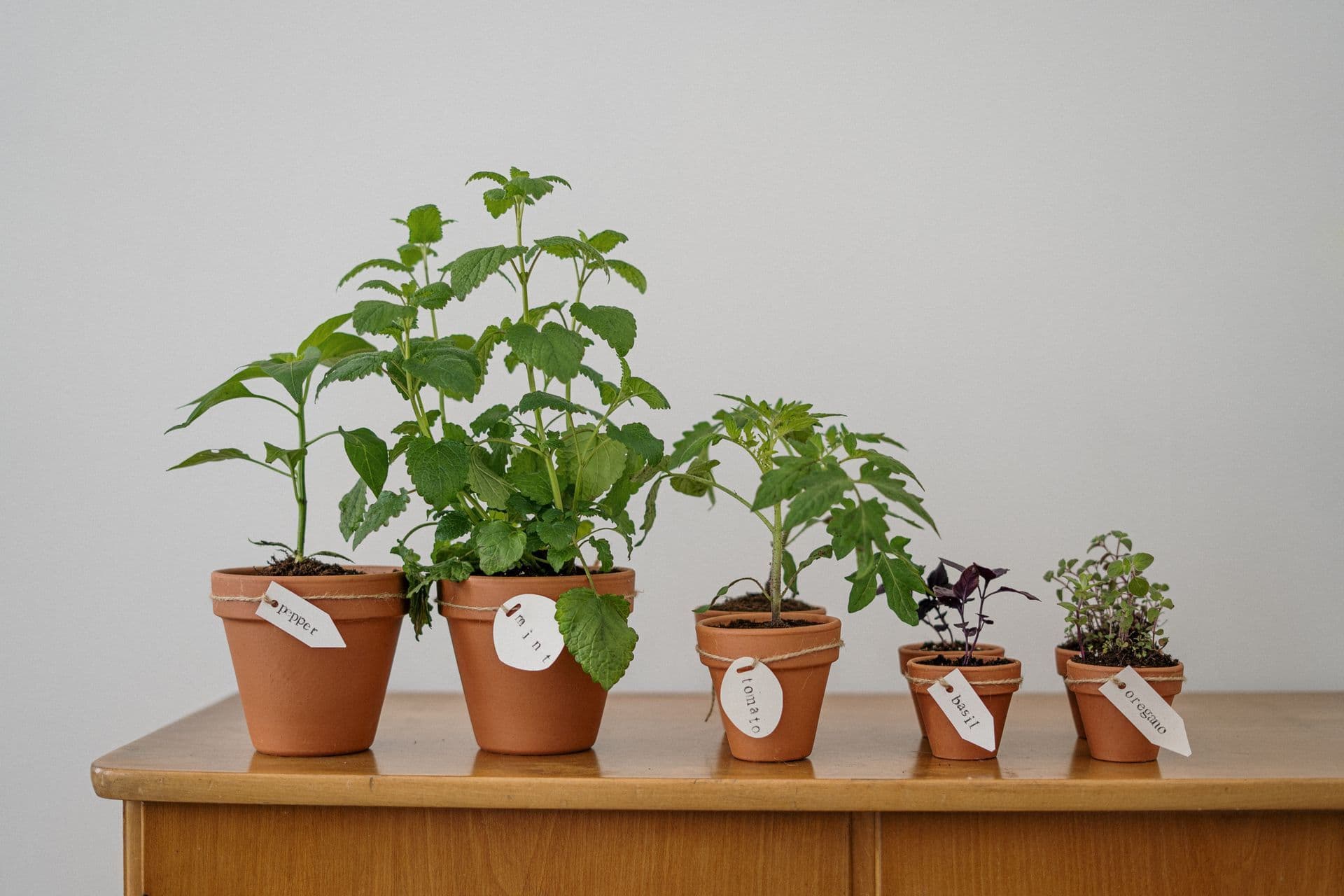
Plant Pot Sizes: How to Choose the Right Plant Container
Plant pot sizes can be confusing because the number on the label only tells you part of the required information. A container may look spacious but actually be too shallow. So, how to choose pot size for plant species?
Explore Plants by Care Needs
Identify the plant and problem. Help your plant recover
Identify plant problems early, understand what's wrong, and get clear care guidance. Botan helps you turn guesswork into confident plant care