



Annual Plants
Explore annual plants that are perfect for adding fresh color and variety each season. Find popular species that thrive in different conditions.
Find Plants by Letter
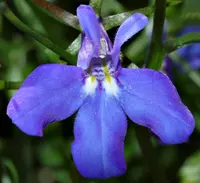
Trailing Lobelia
Lobelia erinus
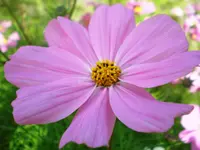
Garden cosmos
Cosmos bipinnatus
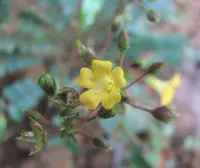
Little Tree Plant
Biophytum sensitivum
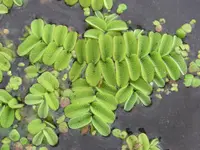
Floating fern
Salvinia natans
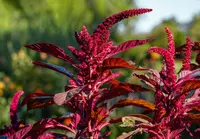
Joseph's-coat
Amaranthus tricolor
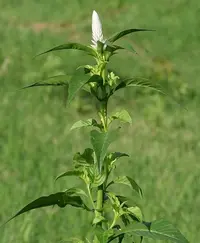
Cockscomb
Celosia argentea
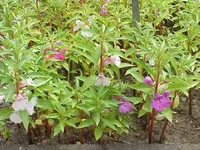
Garden balsam
Impatiens balsamina
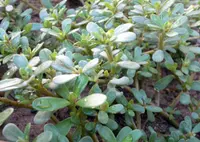
Purslane
Portulaca oleracea
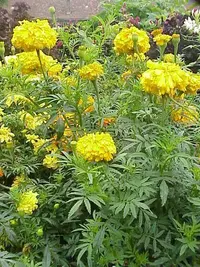
Mexican marigold
Tagetes erecta
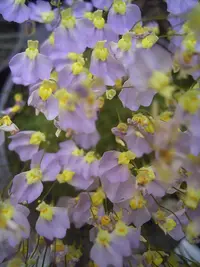
Cape Bladderwort
Utricularia bisquamata
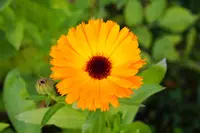
Pot marigold
Calendula officinalis
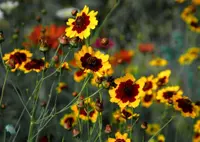
Plains coreopsis
Coreopsis tinctoria
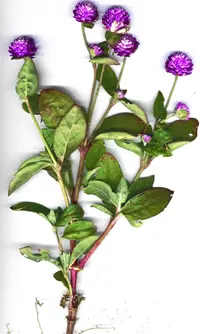
Globe amaranth
Gomphrena globosa
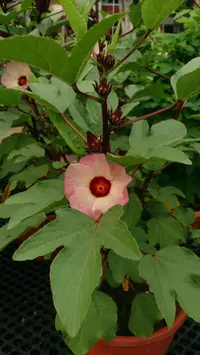
Roselle
Hibiscus sabdariffa
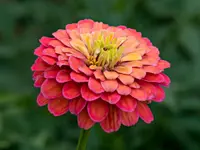
Common zinnia
Zinnia elegans
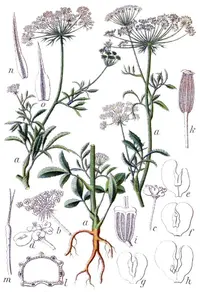
False Queen Anne's lace
Ammi majus
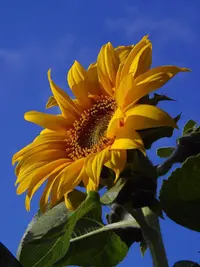
Sunflower
Helianthus annuus
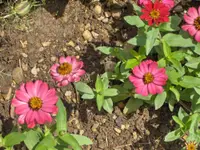
narrowleaf zinnia
Zinnia angustifolia
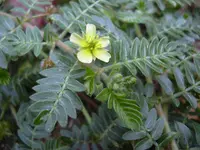
puncturevine
Tribulus terrestris

penis envy mushroom
Psilocybe cubensis
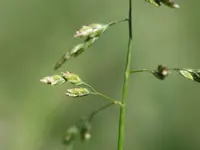
annual bluegrass
Poa annua

cannabis
Cannabis sativa
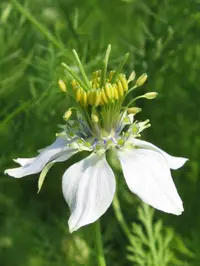
black cumin
Nigella sativa
blue meanies
Panaeolus cyanescens
What Defines Annual Plants: Life Cycle & Unique Features
A true annual is a plant that completes its life cycle within a single season. That cycle includes specific stages: germination, vegetative growth, flowering, pollination, seed set, and death. Annual species invest much more energy in reproduction and pollinator attraction. That’s why they are showier and have brighter, longer-lasting flowers than, for example, perennials.
The full list of annual plants includes over 18,000 species. They can all be divided into two large categories: cool-season and warm-season. Cool-season species tolerate light frost well and are hardier overall.
Common examples within the group include Pot marigold, Cornflower, and Sweet pea. Warm-season species are more tender and often have vivid, high-saturation colors, as seen in Desert zinnia, Garden cosmos, and Mexican sunflower.
Common and Overlooked Advantages of Annual Plants
It’s not only about the looks, though. Annuals grow very fast and bloom profusely for a significantly longer period of time than perennials. They offer exceptional flexibility, letting you change how your garden looks every year. Also, such species contribute greatly to wildlife and are quite affordable compared to many biennial and perennial species.
Annuals can be planted to fill gaps between other plants, grow well in containers (and are fully compatible with a multi-layer thriller-filler-spiller format), and often become foundations of cutting gardens.
They are adapted to different conditions — many plants thrive on dry sites, in shade, or in wet soil. You only need to choose a suitable species, and the list of annual plants with names, photos, and full care and environmental information is available above.