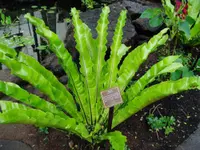
Little Tree Plant Care (Biophytum sensitivum)

Little Tree Plant

About Little Tree Plant

Little tree plant, Biophytum sensitivum, is a small tropical herb that resembles a miniature palm or tree. It forms a tight rosette of delicate, featherlike leaflets on a short stem. The leaves fold up when touched or at night, a movement response similar to sensitive plant, which makes it interesting to observe indoors. In nature, it grows in warm, humid regions of South and Southeast Asia, often in open, moist habitats. It stays compact, so it suits windowsills and small indoor spaces. This species prefers bright, indirect light, evenly moist but well-drained soil, and stable warmth, which makes learning how to care for Little Tree Plant straightforward for attentive growers.

Main Plant Requirements

Care Difficulty

Moderate Care

Light Preference

Bright Indirect Light

Water Requirements

Keep Soil Moist

Temperature Preference

Tropical / Frost Sensitive

Hardiness Zone

11–12

Soil Texture

Loamy, Peaty, Organic-rich

Soil pH

Acidic (5.5–6.5), Slightly acidic (6.5–7.0)

Soil Drainage

Moist but well-drained

Fertilization

Light (every 4–6 weeks)

Get Personalized Care Plan

Scan your plant to receive care tips personalized for your specific plant

Available on iOS and Android

How to Care for the Little Tree Plant

This small tropical species prefers bright, gentle light similar to filtered understory sun.

  • Provide 4–6 hours of bright, indirect light or light dappled shade; morning sun with afternoon shade suits Little Tree Plant best.
  • Protect from harsh midday and late-afternoon sun, which can scorch delicate leaflets and cause leaf-curling or pale, bleached spots.
  • In summer, shift slightly deeper into shade if leaves yellow at the edges; in winter, move closer to a bright window or brighter outdoor position.

This species prefers evenly moist but not waterlogged soil throughout the growing season.

  • Water when the top 1–2 cm of soil feels dry, aiming to moisten the root zone thoroughly while allowing extra water to drain away.
  • Use a loose, well-draining mix so Biophytum sensitivum never sits in stagnant water, which leads to limp, yellowing leaves and root rot.
  • In cooler months, let the soil dry a bit deeper before watering; crisp, drooping leaflets suggest underwatering, while mushy stems signal excess moisture.

This tropical plant grows best in consistently warm, frost-free conditions.

  • Maintain 70–85°F (21–29°C) for active growth; short exposures up to 90°F (32°C) are tolerated if humidity and soil moisture are stable.
  • Avoid temperatures below 55°F (13°C); chilling injury starts near this range and tissue damage is likely if exposed to 40–45°F (4–7°C).
  • Protect from frost at all times and from sudden drafts; in cooler seasons, provide a stable, warm microclimate away from cold windows or unheated outdoor spots.

This species prefers consistently moist air and reacts quickly to low humidity.

  • Aim for 60–80% humidity to keep foliage and movement responses healthy in Little Tree Plant.
  • In drier rooms below 50%, expect leaf edges to brown, tips to curl, and leaflets to close more often and remain droopy.
  • Increase humidity using a pebble tray under the pot, grouped plants, or a small humidifier placed nearby rather than misting alone.

This plant needs a light, fine-textured, evenly moist yet fast-draining substrate to avoid root damage.

  • Use a base of peat or coco coir with added fine perlite and a small amount of compost to create an airy, organic-rich mix.
  • Target slightly acidic conditions, around pH 5.5–6.5, which support nutrient uptake and root activity for Biophytum sensitivum.
  • Ensure water drains freely within seconds; if the potting mass stays heavy or soggy, increase perlite or add a little coarse sand.
  • Avoid dense garden soil, clay-heavy mixes, or unamended seed-starting peat that compacts and suffocates the fine root system.

This species is well suited to small containers due to its compact, shallow-rooted growth.

  • Choose a wide, shallow pot that matches the plant’s rosette spread so the delicate roots are not lost in excess unused mix.
  • Select plastic or glazed ceramic containers to maintain more even moisture compared with porous terracotta that dries very quickly.
  • Place the pot in a stable position where it cannot be bumped, as the sensitive leaves react strongly to disturbance and can be damaged.

This small tropical species benefits from light feeding during its active growth but reacts poorly to excess nutrients.

  • Use a balanced liquid fertilizer (for example 10-10-10) diluted to 25–50% strength for Little Tree Plant in spring–summer.
  • Apply every 3–4 weeks while growth is steady, always on moist soil to prevent root burn.
  • Avoid heavy organic compost or strong slow-release pellets that can overwhelm the fine roots.
  • Reduce or stop feeding in late fall and winter when growth slows or temperatures drop below 65°F.

Biophytum sensitivum needs only light pruning to maintain a tidy, compact form.

  • Best timing is late spring to mid-summer, once the plant is growing strongly.
  • Snip off dead, yellowing, or damaged leaves at the base with clean, sharp scissors.
  • Remove crowded or weak stems to improve air movement and light penetration into the center.
  • Light shaping encourages a neater rosette and directs energy into healthy foliage and flowering.

This species has a fine, shallow root system and prefers careful, infrequent repotting in small containers.

  • Check for roots circling the pot, emerging from drainage holes, or noticeably slower growth as signs it needs more space.
  • Plan to move up just 1 pot size every 1–2 years, ideally in spring when new growth begins.
  • Prepare a free-draining, fine-textured mix, and gently loosen the root ball without tearing delicate roots.
  • Water thoroughly after repotting, then keep in bright, indirect light for 5–7 days to minimize transplant stress.

Biophytum sensitivum is most reliably multiplied from seeds produced after flowering.

  • Collect mature seeds once capsules dry and start to open, usually in warm seasons.
  • Sow on the surface of a moist, fine seed mix and only lightly cover, since light aids germination.
  • Maintain 70–80°F, high humidity, and gentle bottom warmth for even germination.
  • Keep the mix just moist, then transplant seedlings gently once they have several true leaves.

This tropical plant is frost-tender and must be kept warm and sheltered in winter in most regions.

  • Maintain indoor temperatures around 65–75°F and avoid cold drafts from windows or doors.
  • Move outdoor containers indoors before nights reach 50°F and place in bright, indirect light.
  • Reduce watering slightly in winter so the soil stays lightly moist, never waterlogged or bone dry.
  • Avoid sudden temperature swings, which can cause leaf drop and weaken the plant going into spring.

Care Tips

Gentle air movement

Provide light, indirect air movement from a fan on the lowest setting to reduce fungal risk on the dense leaf rosette without drying the thin roots; avoid direct drafts from vents or heaters.

Shallow pot selection

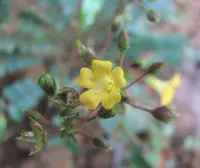
Use a wide, shallow pot to match the plant’s naturally shallow root system, which improves drainage, reduces root rot risk, and makes it easier to keep the substrate evenly moist.

Targeted pest checks

Inspect the undersides of leaflets and the crown area weekly with a hand lens, because early spider mite or aphid infestations often begin where the leaflets attach to the central stalk and can be controlled quickly with insecticidal soap.

Controlled touch stimulation

Limit deliberate touching of the leaves to occasional demonstrations only, since repeated stimulation of the sensitive leaflet-folding response uses stored energy and can slow growth in this small annual.

Succession sowing practice

Collect mature seeds as the capsule turns brown and dry, then sow in small batches every 4–6 weeks so you always have replacement plants at different ages, which is practical when caring for Little Tree Plant as it naturally has a short life cycle.

Common Pests and Diseases

Spider mites

This pest often appears on Biophytum grown in warm, dry indoor air and causes fine stippling, leaf curling, and webbing on the undersides of leaflets.

Solution

Rinse foliage thoroughly with a strong but gentle stream of lukewarm water, then wipe leaf undersides to remove mites and webs; repeat every few days. Increase humidity around the plant, isolate it from others, and if needed apply insecticidal soap or a ready-to-use horticultural oil, making sure to coat leaf undersides well.

Aphids

These insects cluster on tender new growth, flower stalks, and seed heads, sucking sap and causing distortion, sticky honeydew, and sooty mold on the delicate foliage.

Solution

Remove heavily infested tips if possible, then wash the plant under a gentle shower or sink spray to dislodge aphids. Follow up with insecticidal soap applied to all soft growth, repeating every 5–7 days until no new insects appear, and limit excess nitrogen fertilizer that encourages very soft shoots.

Leaf spot

This disease causes small water-soaked or brown spots on the thin leaflets, which can merge into larger patches and lead to premature leaf drop, especially under consistently moist, stagnant air conditions.

Solution

Trim and discard affected leaves, avoid splashing water on the foliage, and water at the soil level so the crown dries quickly. Improve air movement, reduce crowding, and if the problem persists, use a copper-based or bio-fungicide labeled for ornamental foliage plants according to label directions as part of broader Biophytum sensitivum plant care.

Powdery mildew

This disease produces a white or gray powdery film on the delicate leaflets, reducing photosynthesis and making the plant look dull and stressed, especially in low light with poor air circulation.

Solution

Increase light and airflow, avoid overhead watering, and remove the most affected leaves to reduce spore load. Treat remaining foliage with a labeled sulfur-free fungicide or a potassium bicarbonate product, ensuring full coverage of both leaf surfaces and repeating as directed until new growth appears clean.

Interesting Facts

Touch-induced leaf folding

This species rapidly folds and droops its leaflet pairs when touched, shaken, or exposed to strong heat, a movement known as seismonasty that is driven by fast changes in water pressure in specialized motor cells at the leaflet bases.

Daily sleep movements

The leaflets change position over a 24-hour cycle, opening in light and closing at night in a circadian rhythm controlled by internal biological clocks rather than only by immediate light conditions.

Palm-like miniature habit

Individual plants often stay under 15 cm tall and produce a tight rosette of leaves at the top of a slender stem, giving a distinctive miniature palm-tree appearance despite being an herb rather than a true tree.

Botan icon

Did you know?

This species is frequently used as a model organism in plant movement research, helping scientists study how electrical signals and rapid hydraulic changes coordinate leaf motion in sensitive plants.

FAQs about Little Tree Plant

Lack of flowers usually comes from low light, nutrient-poor or exhausted soil, or skipped rest periods. Provide bright, indirect light, a light, balanced feed in the growing season, and avoid keeping it stressed or rootbound.

Grow Healthy Plants with Botan Care

Keep your plants happy and healthy with plant identification, disease detection, and easy care guidance.

Botan plant care app — identify plants on mobile

Explore More Plants