


Encourage Bushy Growth
Pinch back 1–2 cm of soft stem tips every few months to promote branching and keep the plant compact rather than long and straggly.

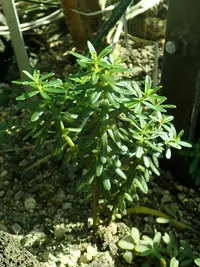
Peperomia galioides is a small, herbaceous perennial from the Andes of South America, often found growing in cool, humid, high-elevation habitats. It belongs to the pepper family (Piperaceae) and typically forms low, trailing to slightly upright stems with many small, narrow leaves.
The plant has a delicate, airy look but is relatively undemanding under stable indoor conditions. Its modest size and slow, compact growth make it suitable for small spaces, mixed planters, or terrariums.
It is moderately easy to grow when given bright, indirect light, a well-drained airy potting mix, and steady, light moisture without waterlogging. Understanding how to care for Peperomia galioides mainly involves avoiding extremes in watering and temperature.

Care Difficulty
Moderate Care

Light Preference
Bright Indirect Light

Water Requirements
Moderate Water

Temperature Preference
Tropical / Frost Sensitive

Hardiness Zone
11–12

Soil Texture
Loamy, Peaty, Organic-rich

Soil pH
Acidic (5.5–6.5), Slightly acidic (6.5–7.0)

Soil Drainage
Well-drained

Fertilization
Light (every 4–6 weeks)
Scan your plant to receive care tips personalized for your specific plant
Available on iOS and Android
This species prefers bright, gentle light that mimics a lightly shaded forest edge.
Watering should keep the root zone lightly moist but never saturated.
Stable, mild warmth supports steady growth and limits stress.
This species prefers moderate room humidity but stays healthy across a fairly wide range.
Use a loose, airy mix that drains quickly yet holds light, even moisture around the roots.
This species grows very well in containers when the pot supports its shallow, fibrous roots and moisture needs.
Light feeding supports steady growth, so use a gentle approach for Peperomia galioides.
Pruning helps keep Peperomia galioides compact and encourages branching.
Repotting is occasional, mainly to refresh soil and give slightly more space.
Propagation is commonly done from cuttings and is straightforward with stable warmth and humidity.
Winter care focuses on avoiding cold damage and overly wet soil.

Plant Health Check
Not sure what's wrong with your plant? Check your plant's health inside the app.
This species is native to high-elevation regions of the northern Andes, where it grows as a small herb in cool, humid montane environments rather than tropical lowland rainforest.
When the leaves and stems are crushed, they release a noticeable scent due to volatile oils present in the tissues, a feature that has drawn interest from phytochemical studies.
It develops thin, wiry, often reddish stems with very small, opposite leaves, giving it a fine-textured, almost moss-like appearance compared with many other Peperomia species.
Brown leaf edges or tips usually result from underwatering, low humidity, or excess fertilizer salts. Brown patches or mushy areas point to root problems. Check soil moisture, reduce fertilizer frequency, and trim damaged leaves to prevent spread.
Keep your plants happy and healthy with plant identification, disease detection, and easy care guidance.

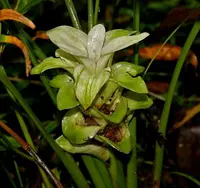
turmeric
Curcuma longa
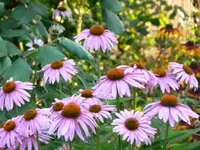
blacksamson echinacea
Echinacea angustifolia
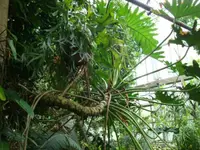
Tree philodendron
Thaumatophyllum bipinnatifidum
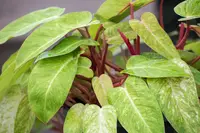
Philodendron
Philodendron 'Painted Lady'
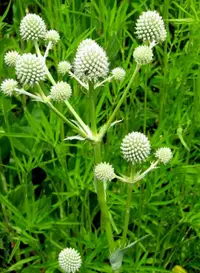
rattlesnake master
Eryngium yuccifolium
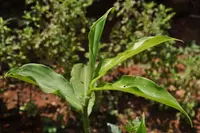
fiery costus
Chamaecostus cuspidatus
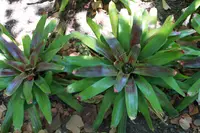
Neoregelia farinosa
Neoregelia farinosa
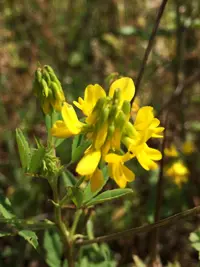
Trigonella esculenta
Trigonella esculenta