Encourage Bushy Growth
Pinch out the soft tips when stems reach 8–10 cm to trigger side shoots and create a dense, leafy plant with more harvestable growth.


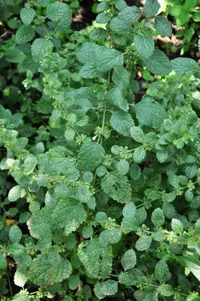
Sweet marjoram, Origanum majorana, is a compact, bushy herb in the mint family, grown mainly for its fragrant, sweet, and mildly spicy leaves. Plants typically form soft, leafy mounds with small oval gray‑green foliage and fine branching stems, sometimes producing tiny white or pale pink flowers in warm conditions.
This species is native to the Mediterranean region, where it grows in sunny, well-drained sites with relatively dry air. It is usually grown as an annual or tender perennial in cooler climates and stays manageable in pots, which makes it simple to care for sweet marjoram indoors or outdoors.
Its main traits include fast growth, good response to pruning, and moderate drought tolerance when established. It prefers bright light, low to moderate moisture, and light, free-draining soil.

Care Difficulty
Easy Care

Light Preference
Full Sun

Water Requirements
Low Water

Temperature Preference
Tropical / Frost Sensitive

Hardiness Zone
9–11

Soil Texture
Sandy, Loamy, Rocky

Soil pH
Slightly acidic (6.5–7.0), Neutral (7.0)

Soil Drainage
Well-drained

Fertilization
Light (every 4–6 weeks)
Scan your plant to receive care tips personalized for your specific plant
Available on iOS and Android
Origanum majorana needs strong light to stay compact and aromatic.
Water needs for Origanum majorana are low to moderate and strongly tied to drainage.
Stable warmth supports dense, flavorful growth in this Mediterranean herb.
This species prefers relatively dry air and rarely needs special humidity management indoors.
This herb requires lean, sharply drained soil to prevent root problems and maintain compact growth.
This species is well suited to container growing when drainage and root space are managed carefully.
Origanum majorana benefits from light, consistent feeding during active growth in spring and summer.
Pruning Origanum majorana keeps plants compact, leafy, and productive for culinary use.
Container-grown Origanum majorana benefits from occasional repotting to refresh soil and maintain healthy root growth.
Origanum majorana is commonly renewed by seeds, softwood cuttings, or division for consistent flavor and vigor.
Origanum majorana is frost-sensitive and often grown as an annual in colder climates, so winter care focuses on protection or replacement.

Plant Health Check
Not sure what's wrong with your plant? Check your plant's health inside the app.
Sweet marjoram is widely cultivated, but its true wild ancestral population is unclear, and many botanists consider it a domesticated derivative of closely related Origanum species rather than a typical wild plant.
Unlike its relative oregano, this species produces a softer, sweeter aroma dominated by terpinen-4-ol and sabinene hydrate, which gives its leaves a floral, almost pine-like scent used in fine herb blends.
Origanum majorana is naturally adapted to warm Mediterranean-type climates and is much less frost-hardy than common oregano, so it is often grown as an annual in cooler regions despite being perennial by life cycle.

In ancient Greek and Roman culture, sweet marjoram was associated with joy and happiness and was used in wedding garlands and wreaths, reflecting its status as a symbol of good fortune and harmonious relationships.
Brown leaves usually result from underwatering, excess heat, or fertilizer burn. Check soil moisture first, then reduce direct stress such as hot, drying winds. Trim dead tips to encourage fresh growth and prevent further tissue damage.
Keep your plants happy and healthy with plant identification, disease detection, and easy care guidance.