Use acidic mulch
Apply a 3–5 cm layer of pine bark, conifer needles, or shredded oak leaves around the root zone to conserve moisture, suppress weeds, and maintain the acidic surface conditions this shrub prefers.

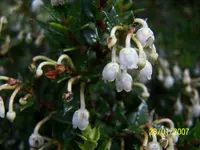
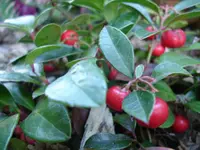
Prickly heath, Gaultheria mucronata, is a compact evergreen shrub grown mainly for its dense foliage and long-lasting berries. It typically forms a rounded mound with small, glossy, sharply pointed leaves and showy clusters of white to pink bell-shaped flowers that develop into bright white, pink, or deep red fruits.
This species is native to cool, temperate regions of southern South America, especially Chile and Argentina. It prefers cool summers, acidic soil, and steady moisture, which can make it a little demanding in warmer or very dry climates.
Gardeners who learn how to care for Prickly Heath usually find it reliable in coastal gardens, woodland borders, and containers where light is bright but not harsh and soil does not dry out completely.

Care Difficulty
Moderate Care

Light Preference
Partial Shade

Water Requirements
Keep Soil Moist

Temperature Preference
Cold Hardy

Hardiness Zone
7–9

Soil Texture
Loamy, Peaty, Organic-rich

Soil pH
Strongly acidic (4.5–5.5), Acidic (5.5–6.5)

Soil Drainage
Moist but well-drained

Fertilization
Minimal (feed rarely)
Scan your plant to receive care tips personalized for your specific plant
Available on iOS and Android
Gaultheria mucronata prefers cool, bright conditions that protect it from harsh midday sun.
This shrub prefers consistently moist, cool soil without becoming waterlogged.
This species favors cool, maritime-type climates rather than extreme heat or intense continental cold.
This species prefers cool, moderately moist air and usually does not need special humidity control outdoors.
Gaultheria mucronata grows best in consistently moist, acidic, well-drained soil rich in organic matter.
This shrub is suitable for container growing, especially on patios and balconies in cooler climates.
Gaultheria mucronata prefers modest feeding suited to acid-loving shrubs rather than heavy fertilization.
Pruning Gaultheria mucronata is light and mainly aimed at maintaining shape and plant health.
This shrub is usually grown in the ground, so focus on correct planting and only occasional transplanting or container repotting.
Propagation of Gaultheria mucronata is possible but slow, with semi-ripe cuttings and layering most practical for home growers.
This shrub is generally cold hardy but benefits from simple winter care, especially in containers or exposed sites.

Plant Health Check
Not sure what's wrong with your plant? Check your plant's health inside the app.
This species is naturally distributed in southern Chile and Argentina, where it grows in cool, moist, often coastal or montane habitats with acidic, organic-rich soils.
The plant is dioecious, meaning individual shrubs are either male or female, so only female plants that receive pollen from a nearby male produce the characteristic dense clusters of berries.
The fleshy, white to pink or deep rose fruits are actually swollen calyces surrounding the true dry fruits, and they often persist on the plant for many months, providing both winter garden color and food for birds.

In its native range, this shrub commonly grows in association with other members of the heath family, and its fine, fibrous roots are adapted to form ericoid mycorrhizae, a specialized partnership with soil fungi that helps it capture nutrients in very acidic, nutrient-poor soils.
This species is a small, dense evergreen shrub. It keeps its narrow, spiny leaves year-round, providing structure and color even in winter, especially when combined with its long-lasting berries in cool, temperate gardens.
Keep your plants happy and healthy with plant identification, disease detection, and easy care guidance.