Install sturdy support
Use a low, rigid wire fence or 3–4 horizontal wires on posts to keep branches off the ground, which improves air flow and makes harvest easier while reducing fruit rot and cane breakage.

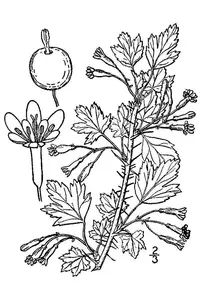
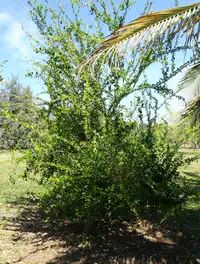
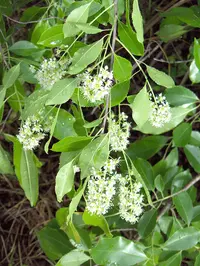
Canadian gooseberry, Ribes oxyacanthoides, is a cold-hardy, deciduous shrub grown for its small, tart berries and dense, spiny branches. It usually forms a compact, rounded shape with lobed leaves that turn attractive colors in autumn.
This species is native to northern North America, where it grows in forests, thickets, and open rocky slopes. Its natural toughness and winter hardiness make it suitable for cool and cold climates.
The plant tolerates poor soils and low temperatures but can be prone to mildew and rust diseases, which slightly increase the maintenance level. It generally prefers full sun to light shade, moderate moisture, and well-drained soil, and understanding these needs helps clarify how to care for Canadian gooseberry.

Care Difficulty
Moderate Care

Light Preference
Full Sun

Water Requirements
Moderate Water

Temperature Preference
Cold Hardy

Hardiness Zone
2–6

Soil Texture
Sandy, Loamy, Rocky

Soil pH
Acidic (5.5–6.5), Slightly acidic (6.5–7.0)

Soil Drainage
Well-drained

Fertilization
Minimal (feed rarely)
Scan your plant to receive care tips personalized for your specific plant
Available on iOS and Android
Ribes oxyacanthoides thrives with cool conditions and moderate direct light.
Watering should keep the root zone consistently moist but never saturated.
This hardy shrub is adapted to cool to cold climates with pronounced winters.
This shrub tolerates a wide humidity range and rarely needs special adjustment outdoors.
Ribes oxyacanthoides prefers cool, moist, well-drained, moderately fertile soil for best growth and fruiting.
This species can be grown in containers if the pot is large and drainage is carefully managed.
Ribes oxyacanthoides responds well to light, thoughtful feeding but overfertilizing can reduce fruit quality.
Pruning helps maintain a productive, well-shaped Ribes oxyacanthoides bush with good airflow and fruiting wood.
Canadian gooseberry is usually grown in the ground, so focus on careful transplanting rather than frequent repotting.
Ribes oxyacanthoides is commonly propagated by hardwood cuttings, softwood cuttings, and simple layering.
This shrub is cold hardy and usually needs only minimal winter care in most temperate climates.

Plant Health Check
Not sure what's wrong with your plant? Check your plant's health inside the app.
This species is unusual among gooseberries because its natural range encircles the far northern parts of North America and Eurasia, occurring in boreal forests and subarctic regions rather than in milder temperate zones.
The shrubs withstand very low winter temperatures and short growing seasons, an adaptation that allows them to survive in habitats with long, cold winters and late frosts.
Its strongly spiny twigs help reduce damage from browsing mammals such as deer and moose, yet the plant still provides forage and cover for wildlife in northern ecosystems.

Some botanists regard this gooseberry as one of the few truly circumpolar shrub species, because closely related forms occur across both North America and northern Eurasia, creating a nearly continuous presence around the high-latitude regions of the Northern Hemisphere.
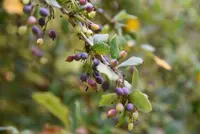
The berries are edible when fully ripe and are commonly used for jams, jellies, pies, and fresh eating. They are tart to mildly sweet, rich in vitamin C, and should be harvested once they soften and color fully.
Keep your plants happy and healthy with plant identification, disease detection, and easy care guidance.