prickly currant Care (Ribes lacustre)

Also known as: swamp currant, Black Swamp Gooseberry, Black Gooseberry
prickly currant

About prickly currant

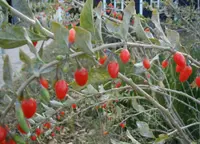
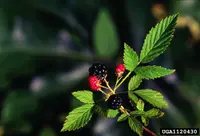
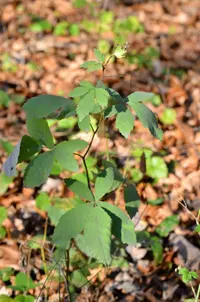
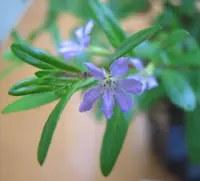
Prickly currant, Ribes lacustre, is a deciduous shrub known for its slender, arching stems covered with small spines and clusters of red, shiny berries. It typically grows in thickets or mixed woodlands and often forms dense, somewhat tangled patches.

This species is native to cooler regions of North America, especially moist forests, stream banks, and mountain slopes. Its hardiness and tolerance of shade and cold make it relatively easy to establish in suitable climates.

The plant prefers cool conditions, moderately moist but well-drained soil, and at least some light during the day. Gardeners who learn how to care for prickly currant usually value it for wildlife support and naturalistic plantings.

Main Plant Requirements

Care Difficulty

Moderate Care

Light Preference

Partial Shade

Water Requirements

Moderate Water

Temperature Preference

Cold Hardy

Hardiness Zone

2–6

Soil Texture

Loamy, Silty, Organic-rich

Soil pH

Acidic (5.5–6.5), Slightly acidic (6.5–7.0)

Soil Drainage

Moist but well-drained

Fertilization

Minimal (feed rarely)

Get Personalized Care Plan

Scan your plant to receive care tips personalized for your specific plant

Available on iOS and Android

How to Care for the prickly currant

This species prefers cool conditions with steady, moderate light rather than intense, all-day sun.

  • Provide 3–6 hours of sun daily, ideally morning sun with light afternoon shade, especially in warmer regions where strong sun can scorch leaves.
  • Site Ribes lacustre in partial shade or light dappled woodland conditions; it tolerates more open sun in cool, moist climates with protected roots.
  • Watch seasonal shifts: in summer, increase shade if foliage yellows or crisps; in early spring and fall, allow more direct light to support growth and fruiting.

This shrub prefers consistently moist, cool soil but does poorly in soggy conditions.

  • Allow the top 3–5 cm of soil to dry slightly between soakings, then water enough to moisten the root zone 15–20 cm deep, especially during active spring and summer growth.
  • Prioritize well-drained, humus-rich soil; prolonged puddling, foul smell, or limp yellowing leaves indicate overwatering and possible root stress in Ribes lacustre.
  • Increase watering during hot, dry spells and reduce in cool, rainy, or dormant periods; wilting, small leaves, and dry, crumbly surface soil signal the need for deeper irrigation.

This cold-hardy shrub thrives in cool to temperate climates with moderate summer heat.

  • Optimal growing temperatures are about 55–75°F (13–24°C), with best vigor in cooler summers and soils that do not overheat or dry out quickly.
  • Plants tolerate winter lows near -30°F (-34°C) once established, but sudden freeze-thaw cycles can damage young shoots and shallow roots.
  • In hot spells above 85°F (29°C), provide extra shade and moisture; prolonged exposure above 90°F (32°C) can reduce flowering and fruit set and stress foliage.

Ribes lacustre grows well in outdoor humidity and rarely needs special humidity management.

Ribes lacustre prefers moist, cool, well-structured soil that stays aerated yet never waterlogged.

  • Use a deep, loamy soil rich in organic matter such as composted leaves or garden compost to support extensive roots.
  • Ensure steady moisture with free drainage by incorporating 20–30% coarse sand or fine gravel into heavier ground.
  • Aim for slightly acidic to neutral pH, around 5.5–7.0, and avoid highly alkaline or saline sites that restrict nutrient uptake.
  • Improve aeration and structure in compacted soils by working in shredded bark or well-rotted wood chips through the top 20–30 cm.

This species can be grown in containers, but it performs best in large, stable outdoor pots.

  • Choose a container at least 40–50 cm deep to accommodate its woody root system and reduce drought stress between waterings.
  • Select a heavy, frost-resistant pot material such as thick terracotta or concrete to prevent tipping as the shrub gains height.
  • Elevate the container on pot feet or bricks so drainage holes remain clear and excess water can escape quickly after rain.

This shrub is adapted to low-fertility soils, so feeding is light and mainly supports fruiting and overall vigor in cultivation.

  • Apply a thin layer of compost around the root zone in early spring as the main nutrient source.
  • In poorer soils, use a balanced slow-release fertilizer (around 10-10-10) once in spring at label rate, not stronger.
  • During active growth, optional light liquid feed at 1/2 strength every 4–6 weeks can support caring for prickly currant.
  • Stop feeding in late summer so shoots harden before winter and avoid any fertilizer in dormancy.

Pruning Ribes lacustre focuses on keeping the shrub open, healthy, and productive without heavy shaping.

  • Carry out main pruning in late winter to very early spring before buds break.
  • Remove dead, diseased, or crossing stems first, then thin the most crowded older branches at the base.
  • Retain a mix of 1–3-year-old shoots to support flowering and fruiting while maintaining an open center.
  • Use clean, sharp bypass pruners for stems and loppers for thicker, woody branches to make neat cuts.

This species is usually grown in the ground, so care centers on thoughtful transplanting rather than frequent repotting.

  • Transplant young plants in early spring or early fall when soil is moist and temperatures are mild.
  • Choose a site with moisture-retentive, well-drained soil and set the crown at the same depth as in the original hole.
  • Move only when necessary; signs include poor vigor, waterlogging, or unsuitable light conditions.
  • Water deeply before and after transplanting, keep the root ball intact, and mulch lightly to reduce stress and moisture loss.

Ribes lacustre is commonly propagated from cuttings and seed when expanding plantings or restoring native habitats.

  • Take semi-ripe cuttings in mid to late summer and place in a free-draining, slightly moist medium under bright, indirect light.
  • For hardwood cuttings, use dormant leafless shoots in late fall or winter and heel them into a protected bed.
  • Sow seed in fall outdoors or use cold stratification in a refrigerator for 2–3 months before spring sowing.
  • Maintain even moisture and good air circulation around cuttings or seed trays to limit rot and encourage steady rooting.

This shrub is cold hardy in much of its native range and usually needs minimal winter attention once established.

  • Tolerates significant frost, but young plants benefit from a 5–8 cm mulch layer over the root zone.
  • Keep mulch slightly away from stems to reduce risk of rot and rodent damage.
  • Container-grown plants in very cold areas can be moved to a sheltered, unheated space to avoid root freeze.

Care Tips

Install sturdy support

Use a low, rigid wire fence or 1–1.2 m posts with 2–3 tensioned wires to keep stems upright, which improves air flow, reduces disease pressure, and makes harvesting safer and easier.


Mulch for root cooling

Apply a 5–8 cm layer of coarse organic mulch, such as shredded bark or wood chips, around but not touching the stems to keep roots cool, suppress weeds, and reduce soil splash that can spread leaf diseases.

Targeted pest scouting

From early spring, inspect undersides of leaves and tender shoot tips weekly for aphids, sawfly larvae, and spider mites so that you can remove affected shoots or use a directed control method before populations build up.

Sanitize around plants

Collect and dispose of fallen leaves and mummified berries in late fall and early spring to lower overwintering inoculum of common foliar and fruit diseases that affect those caring for prickly currant.

Protect from browsing

In areas with deer or rabbits, install 1.5–1.8 m wildlife fencing or individual mesh cages around young plants for the first 2–3 years to prevent repeated browsing that can permanently stunt shrubs and reduce fruiting.

Common Pests and Diseases

White pine blister rust

This disease causes orange blisters, cankers, and dieback on stems and leaves, and currants act as an alternate host that helps the fungus complete its life cycle. Symptoms include pale, spotted leaves and swollen, discolored stems that may girdle branches.

Solution

Remove and destroy infected leaves and stems promptly and avoid overhead watering to keep foliage dry. In regions with strict rust control, follow local regulations on planting currants, increase spacing and airflow between plants, and consider resistant Ribes species if rust pressure is high.

Currant aphids

These insects cluster on young shoots and leaf undersides, sucking sap and causing curling, distortion, and sticky honeydew that can lead to sooty mold. This pest can slow growth and reduce berry production on bushes.

Solution

Spray colonies off with a firm stream of water, then treat remaining infestations with insecticidal soap or horticultural oil, ensuring full coverage of leaf undersides. Encourage natural predators such as lady beetles by avoiding broad-spectrum insecticides and maintaining diverse nearby vegetation.

Currant sawfly

These larvae skeletonize leaves starting from the edges, often defoliating bushes rapidly in late spring and early summer. Symptoms include shredded, lace-like foliage and small green larvae feeding openly on leaves.

Solution

Inspect plants frequently during spring and handpick or shake larvae off into soapy water at early stages. For heavier infestations, apply a targeted product such as spinosad according to label directions, and keep the soil surface clean of leaf litter where larvae may pupate.

Powdery mildew

This disease produces white, powdery coating on leaves, shoots, and sometimes fruit, leading to distorted growth and premature leaf drop. Symptoms include dull, gray-white patches that spread in warm, dry conditions with high humidity around foliage.

Solution

Prune to open the center of the shrub, removing crowded and infected shoots to improve airflow and light penetration. Avoid overhead watering, clean up fallen debris, and if needed use a labeled fungicide such as sulfur or potassium bicarbonate at the first sign of symptoms as part of overall Ribes lacustre plant care.

Currant fruit worm

This pest is the larval stage of a small moth that bores into developing berries, causing internal feeding, premature fruit drop, and contaminated, unmarketable fruit. Symptoms include small entry holes, frass inside berries, and clusters of damaged fruit.

Solution

Collect and destroy infested and fallen berries throughout the season to break the life cycle, and cultivate lightly under plants in late fall to expose pupae to predators and cold. Where damage recurs annually, place pheromone or light traps for monitoring and apply a targeted biological control such as Bacillus thuringiensis (Bt) at egg-hatch timing, following label directions.

Interesting Facts

Spine-covered stems

This species develops slender, arching stems armed with numerous short spines along the nodes, which likely help deter browsing by deer and other herbivores more strongly than in many other North American currants.

Moist forest specialist

It is especially associated with cool, moist coniferous forests and riparian thickets in western and northern North America, often forming dense understory patches along streams, seeps, and lake margins.

Wildlife food source

The small, dark reddish to black berries are an important late-summer food for birds, bears, and small mammals, and the nectar-bearing flowers support native bumble bees and other early-season pollinators in cool climates.

Botan icon

Did you know?

This currant often expands after disturbance such as logging, fire, or blowdown in conifer forests, quickly colonizing newly opened, moist light gaps and providing early structural cover and food resources during forest regeneration.

FAQs about prickly currant

This species is valuable for wildlife gardens. Its small, spring-blooming flowers provide nectar and pollen for native bees, bumblebees, hoverflies, and some butterflies, while the later berries feed birds and small mammals.

Grow Healthy Plants with Botan Care

Keep your plants happy and healthy with plant identification, disease detection, and easy care guidance.

Botan plant care app — identify plants on mobile

Explore More Plants