glossy privet Care (Ligustrum lucidum)

Also known as: tree privet, broad-leaf privet, Chinese Wax-leaved Privet, Chinese Privet, Nepal Privet, Wax-Leaf Privet, White Wax Tree
glossy privet

About glossy privet

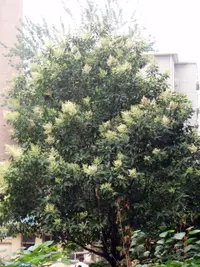
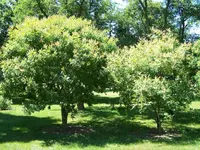
Glossy privet, Ligustrum lucidum, is an evergreen shrub or small tree grown mainly for its dense foliage and fast growth. It is often used as a hedge, screen, or small ornamental tree in gardens and landscapes.

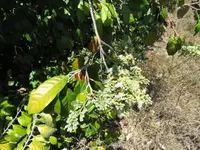
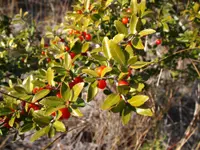
The plant has smooth, shiny dark green leaves and produces clusters of small white flowers followed by dark purple berries. It is native to East Asia but has been widely planted in many warm-temperate regions.

Glossy privet is generally easy to grow, tolerating a range of soils, pruning, and urban conditions. Understanding how to care for glossy privet starts with providing decent light, moderate moisture, and well-drained soil.

Main Plant Requirements

Care Difficulty

Easy Care

Light Preference

Full Sun

Water Requirements

Moderate Water

Temperature Preference

Warm Climate

Hardiness Zone

8–10

Soil Texture

Sandy, Loamy, Clay

Soil pH

Acidic (5.5–6.5), Slightly acidic (6.5–7.0)

Soil Drainage

Moist but well-drained

Fertilization

Minimal (feed rarely)

Get Personalized Care Plan

Scan your plant to receive care tips personalized for your specific plant

Available on iOS and Android

How to Care for the glossy privet

Ligustrum lucidum grows best with abundant direct light while tolerating some shade.

  • Aim for 6–8 hours of full sun daily, with morning sun preferred and some protection from intense late afternoon summer sun in hot climates.
  • Plant in a site that receives at least 3–4 hours of direct light; dense shade leads to sparse growth and reduced flowering in glossy privet.
  • In winter, maximize exposure by avoiding heavy overstory shade, while in very hot summers, light filtered shade reduces leaf scorch and stress.

This species prefers evenly moist, well-drained soil rather than constant wetness or long dry spells.

  • Allow the top 3–5 cm of soil to dry before deep watering, then soak the root zone thoroughly instead of giving shallow, frequent drinks.
  • During the first 1–2 growing seasons, monitor closely in dry weather; mature Ligustrum lucidum tolerates short dry periods but prolonged drought causes leaf curl and edge browning.
  • Watch for yellowing, soft leaves and soggy soil as signs of overwatering, and for dull, drooping foliage and dry, hard soil as signs it needs water sooner.

This shrub is adaptable but performs best in mild climates without extreme cold or prolonged heat.

  • Optimal growth occurs around 60–80°F (16–27°C), where shoots extend steadily and foliage remains dense and glossy.
  • Mature plants tolerate brief drops to about 15–20°F (-9 to -6°C), but younger shrubs are more cold-sensitive and benefit from mulch over the root zone in winter.
  • In hot regions with summer highs above 95°F (35°C), provide soil moisture and, if possible, afternoon shade to limit heat stress and leaf scorch.

This species is adaptable and humidity is rarely a limiting factor for glossy privet.

Ligustrum lucidum grows best in moderately fertile, well-drained mineral soil that still holds some moisture.

  • Use a loamy structure with a mix of garden soil, compost, and coarse sand or fine grit to prevent compaction.
  • Aim for slightly acidic to neutral pH, roughly 6.0–7.5, to support balanced nutrient availability.
  • In heavier clay ground, incorporate coarse sand or fine gravel through the top 20–30 cm to improve drainage and aeration.
  • Avoid waterlogged spots, peat-only mixes, or very salty soils, which increase root stress and disease risk.

This species is suitable for container growing where space or root spread must be controlled.

  • Select a heavy, wide-based pot to counteract the shrub’s tendency to become top-heavy in windy positions.
  • Choose a container depth that allows a broad, fibrous root system, typically at least 35–45 cm for stable anchoring.
  • Use slightly porous materials like unglazed clay if overwatering is a risk, as they let excess moisture evaporate from the sides.

Ligustrum lucidum responds well to moderate feeding in containers and nutrient-poor soils.

  • Use a balanced slow-release granular fertilizer (around 10-10-10) or well-rotted compost at the start of spring.
  • Feed container-grown glossy privet every 6–8 weeks during the growing season, following label rates.
  • Apply at half-strength for young or stressed plants to avoid root burn.
  • Stop feeding 6–8 weeks before expected frost to allow growth to harden off.

Pruning Ligustrum lucidum shapes the canopy, maintains size, and improves plant health.

  • Carry out main pruning in late winter or very early spring before vigorous growth starts.
  • Remove dead, damaged, crossing, or inward-growing branches with clean, sharp bypass pruners or loppers.
  • Thin crowded interior shoots to improve light and air flow, which reduces disease risk.
  • Shorten long shoots to maintain hedging lines or tree form, cutting just above outward-facing buds.

Ligustrum lucidum is usually grown in the ground, so care focuses on transplanting rather than frequent repotting.

  • Transplant in early spring or early fall when temperatures are mild and soil is workable.
  • Look for slow growth, roots circling the pot, or the plant drying out quickly as cues to move it up 1 pot size.
  • Dig a wide planting hole, loosen circling roots gently, and set the root flare at soil level.
  • Water deeply after planting and keep soil evenly moist for 2–4 weeks to reduce transplant shock.

Ligustrum lucidum is commonly propagated from cuttings and seeds for hedging and screening uses.

  • Take semi-ripe cuttings in late spring to midsummer, 10–15 cm long, from non-flowering shoots.
  • Remove lower leaves, dip the base in rooting hormone, and place in a free-draining mix under high humidity and bright, indirect light.
  • Sow ripe seeds in fall or spring in a well-drained seed mix; light cold stratification can improve germination.
  • Keep rooting or seed trays at 65–75°F and just moist, not wet, to limit rot.

Ligustrum lucidum is moderately cold hardy but benefits from some winter attention in cooler climates.

  • In USDA zones near its hardiness limit, add a 5–8 cm mulch layer over the root zone, keeping it off the trunk.
  • For young plants, use burlap or a breathable wrap around exposed crowns during severe freezes.
  • Move container plants into a sheltered, frost-free spot with bright light when temperatures approach the mid-20s°F.

Care Tips

Wind-firm training

In the first 2–3 years, selectively keep a single strong leader and remove or shorten competing upright shoots so the trunk develops good taper and can better withstand wind as the plant matures.

Root flare check

When planting or replanting, ensure the root flare (where the trunk widens at the base) sits just above soil level and gently remove excess soil or mulch from the stem to reduce rot and improve stability.

Basal suckers control

Inspect the base a few times per year and cut basal shoots flush with the trunk or just below soil level to prevent a thicket of weak stems that diverts energy from the main framework.

Hedge density shaping

For hedges, tip-prune new growth lightly but often in the growing season, cutting just above a leaf node, to encourage dense side-branching rather than long, sparse shoots.

Sanitation for scale

To support healthy Ligustrum lucidum care, regularly inspect stems and leaf undersides for scale insects and wipe them off with a damp cloth before infestations build, then prune and dispose of heavily infested twigs in household trash rather than compost.

Common Pests and Diseases

White wax scale

This pest forms white to gray, waxy dome-shaped bumps on stems and leaves, often leading to honeydew and sooty mold development.

Solution

Prune and dispose of heavily infested twigs, then gently scrub remaining scales from stems with a soft brush and soapy water; for larger shrubs, apply a horticultural oil spray during the crawler stage, ensuring thorough coverage while avoiding high-temperature periods.

Privet rust mite

This pest causes bronzing, roughness, and distortion of leaves, often leading to a dull, off-color canopy and reduced vigor.

Solution

Remove and discard heavily damaged growth to reduce populations, then improve plant vigor with proper watering and balanced fertilization; if damage continues, use a targeted miticide or a sulfur-based product labeled for mites on ornamentals, applied according to Ligustrum lucidum care instructions and local regulations.

Cercospora leaf spot

This disease produces small brown to purplish spots with pale centers on leaves, which can merge into larger blotches and cause premature leaf drop.

Solution

Collect and discard fallen leaves, thin dense growth to improve airflow, and avoid overhead watering; if the problem persists, apply a fungicide labeled for Cercospora on ornamental shrubs, making 2–3 applications as directed during warm, humid periods.

Anthracnose

This disease leads to irregular tan to dark brown lesions on young leaves and shoots, sometimes causing tip dieback and a ragged canopy appearance.

Solution

Prune out infected twigs several inches below visible damage and dispose of them, then improve air circulation by selective thinning; in wet seasons or severe cases, use a copper-based or other labeled ornamental fungicide, coating new growth thoroughly at intervals recommended on the product label.

Armillaria root and crown rot

This disease attacks roots and the lower trunk, causing gradual yellowing, leaf drop, dieback, and sometimes white fungal mycelium under the bark near the soil line.

Solution

Remove and destroy severely affected plants including as much root material as possible, improve drainage, and avoid replanting highly susceptible woody species in the same spot; support remaining nearby plants by reducing irrigation frequency and avoiding trunk injuries to limit further infection spread.

Interesting Facts

Evergreen with waxy leaves

This species keeps its foliage year-round and develops thick, glossy, dark green leaves with a waxy cuticle that reduces water loss and helps it tolerate urban pollution.

Fragrant but messy flowers

It produces dense clusters of small, white, strongly scented flowers that are rich in nectar and attract many insects, but in some cities their heavy bloom is considered a nuisance due to fallen petals and subsequent fruit drop.

Bird-dispersed black berries

After flowering, it forms dark purple to black drupes (fleshy fruits) that are readily eaten by birds, which then disperse the seeds over long distances and contribute to this species becoming invasive in suitable climates.
Botan icon

Did you know?

Ligustrum lucidum has become a significant invasive tree in regions such as southeastern Australia and parts of the southern United States, where dense stands can form a near-continuous canopy that shades out native understory plants and alters local ecosystem structure.

FAQs about glossy privet

This species is generally fast-growing, often adding 30–90 cm per year in suitable conditions. Growth rate increases with regular pruning, consistent moisture, and fertile soil, and slows in shade, poor soil, or drought stress.

Grow Healthy Plants with Botan Care

Keep your plants happy and healthy with plant identification, disease detection, and easy care guidance.

Botan plant care app — identify plants on mobile

Explore More Plants