Amur maackia Care (Maackia amurensis)

Also known as: Manchurian maackia
Amur maackia

About Amur maackia

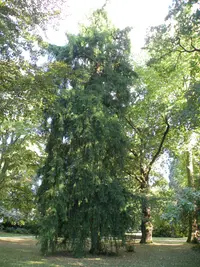
Amur maackia (Maackia amurensis) is a small to medium deciduous tree from northeastern Asia, especially the Amur River region of China and Russia. It belongs to the pea family and naturally occurs in cool-temperate forests and river valleys.

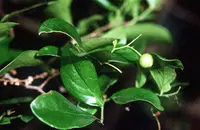
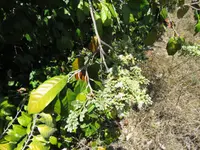
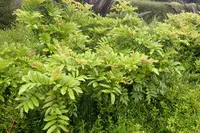
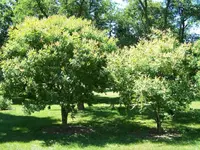
The tree has a compact, rounded crown, divided leaflets, white summer flowers, and smooth bark that becomes attractively peeling with age. Growth is slow to moderate, which suits smaller landscapes.

Amur maackia is valued for its hardiness, tolerance of urban conditions, and relatively low pest and disease pressure. These traits make it easier to care for Amur maackia than many ornamental trees.

It generally prefers full sun, moderately moist but well-drained soil, and adapts to a range of soil types, including poorer sites.

Main Plant Requirements

Care Difficulty

Easy Care

Light Preference

Full Sun

Water Requirements

Moderate Water

Temperature Preference

Cold Hardy

Hardiness Zone

3–7

Soil Texture

Loamy, Sandy, Clay

Soil pH

Slightly acidic (6.5–7.0), Neutral (7.0)

Soil Drainage

Well-drained

Fertilization

Minimal (feed rarely)

Get Personalized Care Plan

Scan your plant to receive care tips personalized for your specific plant

Available on iOS and Android

How to Care for the Amur maackia

This hardy small tree prefers full sun but copes with some light shade, especially in hotter regions.

  • Aim for 6–8 hours of direct sun daily for best flowering and compact growth in Amur maackia.
  • In hot summer climates, provide morning sun with light afternoon shade to reduce leaf scorch risk on young trees.
  • Tree tolerates open, bright sites in winter and early spring; avoid dense, permanent shade, which leads to sparse branching and fewer flowers.

This species prefers moderately moist, well-drained soil and becomes more drought tolerant as it matures.

  • Allow the top 5–8 cm of soil to dry between deep waterings during the first 2–3 growing seasons to encourage a strong root system in Maackia amurensis.
  • During hot, dry periods, watch for dull, drooping leaves as a cue to water; yellowing leaves and persistent soggy soil indicate overwatering.
  • Plant in soil with good drainage; avoid low spots where water stands after rain, especially in clay, to prevent root decline.

This cold-hardy tree thrives in temperate climates with distinct seasons.

  • Active growth is best around 65–80°F (18–27°C), with normal outdoor summer heat tolerated if soil moisture is adequate.
  • Dormant wood survives down to about -30°F (-34°C), making the species suitable for many cold-winter regions.
  • Mature trees handle brief heat above 90°F (32°C), but young plants benefit from mulch and consistent soil moisture during heat waves to limit stress.

This species is fully outdoor-hardy and does not require special humidity management in typical temperate climates.

Maackia amurensis grows best in moderately fertile, well-structured mineral soil with reliable drainage.

  • Aim for a loamy or sandy loam soil with 3–4 in of incorporated compost to support root development and moisture balance.
  • Ensure drainage is free by planting on a slight mound or in raised positions where water cannot pool around the root zone.
  • Target a soil pH of 6.0–7.5; amend very acidic soils with agricultural lime and very alkaline sites with organic matter only.
  • Avoid heavy, compacted clay or sites that stay waterlogged after rain, which increase risks of root rot and poor establishment.

This tree is only marginally suitable for container growing and is best kept in large, stable outdoor tubs for temporary use.

  • Choose a deep, heavy container that resists tipping and allows a strong taproot and structural roots to develop downward.
  • Use a coarse, bark-based mix over a drainage layer of large gravel to keep the lower root zone from saturating after storms.
  • Position the container where wind exposure is reduced, since a tall, leafed-out crown in a pot can act as a sail and stress roots.

This leguminous tree generally needs minimal feeding in average garden soil.

  • If growth is weak or leaves are pale, apply a balanced slow‑release fertilizer (such as 10‑10‑10) once in early spring.
  • Use a light rate at half the label strength to avoid lush, weak growth.
  • In poor soils, incorporate a thin layer of compost over the root zone each spring.
  • Do not fertilize Maackia amurensis in late summer or winter, when the tree is going dormant.

Pruning Maackia amurensis is mainly corrective, aimed at maintaining a stable, open crown.

  • Best time is late winter to early spring, before new growth starts.
  • Remove dead, damaged, rubbing, or badly crossing branches with clean, sharp bypass pruners or a pruning saw.
  • Thin congested inner branches to improve light penetration and air flow without over‑opening the canopy.
  • Limit cuts to smaller branches where possible to preserve natural form and reduce stress.

This species is usually grown in the ground, so focus on careful transplanting of young trees.

  • Transplant in early spring or fall when temperatures are mild and the tree is not actively flushing new growth.
  • Choose a site with well‑drained soil and full sun, and dig a hole 2–3× wider than the root ball but no deeper.
  • Signs a container seedling needs shifting include roots circling the pot and slowed growth despite adequate care.
  • Handle the root ball gently, loosen only lightly matted roots, water thoroughly after planting, and mulch to reduce transplant stress.

Propagation is most often done from seed, as vegetative methods are less predictable for this species.

  • Collect ripe pods in late summer to fall, then dry and extract seeds for storage or immediate use.
  • Scarify hard seed coats lightly with sandpaper and soak in warm water 12–24 hours to improve germination.
  • Sow in a free‑draining seed mix, keep evenly moist, and maintain cool to moderate temperatures around 60–70°F.
  • Provide bright light once seedlings emerge and grow Maackia amurensis on in containers until sturdy enough for outdoor planting.

This hardy deciduous tree needs little winter care once established in suitable climates.

  • Fully dormant wood tolerates typical cold in USDA zones where it is recommended, with no wrapping required.
  • Young trees benefit from 5–8 cm of mulch over the root zone, kept a few cm away from the trunk.
  • Container‑grown plants in colder regions should be sunk into the ground or moved to a sheltered, unheated but frost‑moderated space.

Care Tips

Encourage Strong Leader

In the first 3–5 years, select a single central stem and lightly remove competing upright shoots in late winter so the tree develops a stable main leader and resists storm damage as it matures.

Root Zone Protection

Maintain an undisturbed mulch ring 5–10 cm deep out to at least the dripline, and avoid lawn traffic and compaction over the root zone so fine feeder roots stay healthy and drought-tolerant.

Minimal Pruning Strategy

Limit pruning to removal of dead, crossing, or damaged branches and perform it during late winter dormancy, as heavy structural cuts are usually unnecessary and can slow growth in this naturally well-shaped species.

Support Early Establishment

Stake young trees only if planted in very windy or exposed sites, using 1–2 loose ties removed after 1–2 years so the trunk can flex and develop strong supportive wood.

Monitor Nitrogen Levels

Use only low to moderate nitrogen around the tree and avoid high-nitrogen lawn fertilizers near the root zone, since this legume fixes its own nitrogen and excess can encourage weak, overly lush growth when growing Amur maackia.

Common Pests and Diseases

Leaf spot

This disease causes scattered brown to black lesions on leaves that may coalesce and lead to premature leaf drop in humid or wet seasons.

Solution

Remove and destroy heavily spotted leaves, keep the area under the tree free of fallen foliage, and avoid frequent overhead watering to keep leaf surfaces drier; in landscapes with repeated yearly problems, a copper or chlorothalonil-based fungicide applied at leaf-out and repeated per label directions can help protect new foliage.

Powdery mildew

This disease produces a white, powdery coating on upper leaf surfaces, which can lead to distorted growth and reduced vigor in shaded, humid conditions.

Solution

Improve air circulation by selective pruning, avoid dense shading if possible, and water at the soil level; if needed, apply a registered systemic or contact fungicide labeled for powdery mildew on ornamental trees, starting at the first sign of symptoms and repeating as directed.

Armillaria root rot

This disease, caused by Armillaria fungi in the soil, leads to gradual canopy thinning, yellowing leaves, dieback, and sometimes honey-colored mushrooms at the base of the tree.

Solution

There is no curative treatment, so focus on prevention by planting in well-drained sites and avoiding chronic soil saturation; if a tree declines severely, remove it along with as much of the main root system as practical and avoid replanting another Amur maackia or other susceptible tree in the exact spot for several years.

Leaf-feeding beetles

These insects chew irregular holes or notches along leaf margins, which can give the foliage a ragged appearance during mid to late summer.

Solution

Monitor foliage regularly and hand-pick adult beetles where practical, encourage natural predators, and in cases of heavy defoliation consider using a targeted foliar insecticide such as spinosad or a pyrethroid, applied in the evening and only when beetles are actively present.

Borer insects

This pest group includes wood-boring beetle larvae that tunnel under the bark, causing branch dieback, canopy thinning, and sometimes exit holes and frass on the trunk or larger limbs.

Solution

Reduce borer risk by keeping the tree healthy through proper watering, mulching, and avoiding trunk injury; prune out and destroy infested branches, and in high-risk areas consider a preventative trunk or soil-applied systemic insecticide labeled for borers, timed before adult flight according to local extension guidance on Maackia amurensis care.

Interesting Facts

Cold-hardy nitrogen fixer

This species is one of the few temperate, fully cold-hardy legumes that forms nitrogen-fixing root nodules, allowing it to improve soil fertility even in climates with very cold winters.

Late-summer nectar source

Unlike many temperate trees, it flowers in mid to late summer, providing white, pea-like blossoms that supply nectar and pollen to bees and other insects when many spring-flowering trees are already finished.

Durable urban performer

Its tolerance of road salt, compacted soils, and air pollution has led urban foresters to test it as a durable street and park tree in cold cities, where many other ornamental legumes fail.

Botan icon

Did you know?

The heartwood of this species is unusually dense and fine-textured for a small ornamental tree, and has been locally valued in its native range for small turned objects and precision woodwork rather than bulk timber.

FAQs about Amur maackia

This tree is generally slow-growing, adding about 15–30 cm in height per year once established. Growth is most noticeable during the first half of the growing season and may slow in poor or compacted soils.

Grow Healthy Plants with Botan Care

Keep your plants happy and healthy with plant identification, disease detection, and easy care guidance.

Botan plant care app — identify plants on mobile

Explore More Plants