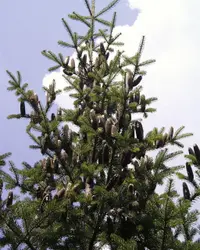
Gopherwood Care (Torreya taxifolia)

Also known as: Florida Torreya, Florida nutmeg, Florida Nutmeg Tree, Stinking Cedar
Gopherwood

About Gopherwood

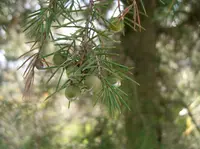
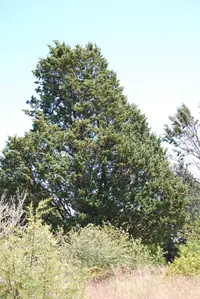
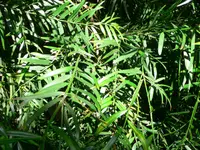
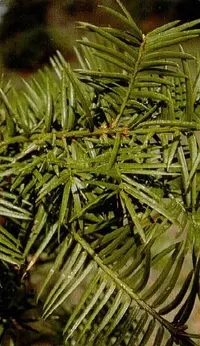
Gopherwood, Torreya taxifolia, is a rare, slow-growing conifer native to the ravines and stream valleys of the Florida Panhandle and nearby Georgia. It is usually a small to medium tree with dense, dark green, yew-like needles and a narrow, upright form. In cultivation it is valued for its evergreen foliage and quiet appearance, but it can be challenging due to sensitivity to heat, disease, and poor drainage. It prefers cool, moist, shaded sites with well-drained, acidic soil. Gardeners who want to care for Gopherwood should be prepared for slow growth and the need for stable, sheltered conditions.

Main Plant Requirements

Care Difficulty

Hard Care

Light Preference

Partial Shade

Water Requirements

Regular Water

Temperature Preference

Warm Climate

Hardiness Zone

8–9

Soil Texture

Loamy, Sandy, Organic-rich

Soil pH

Strongly acidic (4.5–5.5), Acidic (5.5–6.5)

Soil Drainage

Moist but well-drained

Fertilization

Minimal (feed rarely)

Get Personalized Care Plan

Scan your plant to receive care tips personalized for your specific plant

Available on iOS and Android

How to Care for the Gopherwood

This rare conifer prefers bright, gentle light similar to a lightly shaded forest edge.

  • Provide 2–4 hours of soft morning sun with bright dappled or filtered light the rest of the day; avoid harsh afternoon sun, especially in summer.
  • Plant Gopherwood on the east or north side of buildings or under high, open tree canopies where it receives partial shade all year.
  • Watch foliage color: pale, scorched, or bronzed needles indicate too much direct sun, while sparse, elongated shoots suggest insufficient light.

This species favors steadily moist but never waterlogged soil.

  • In the ground, water deeply when the top 3–5 cm of soil feels barely moist, then allow slight surface drying while keeping the root zone evenly damp.
  • Use rich, well‑drained soil with organic matter so Torreya taxifolia roots get moisture without standing water that can trigger rot.
  • In hot, dry periods, increase frequency and check needles: browning tips and droop suggest underwatering; yellowing, soft growth can signal overwatering.

This conifer is adapted to mild, humid climates and dislikes temperature extremes.

  • Aim for 60–80°F (16–27°C) during active growth, with slightly cooler nights to mimic its native woodland conditions.
  • Mature plants may tolerate brief drops to about 10–15°F (-12 to -9°C), but young plants are safer above 20°F (-6°C) with mulch to protect roots.
  • Provide light shade and consistent soil moisture during heat above 90°F (32°C) and shelter from drying winds, which increase stress in both heat and cold.

This species prefers moderate humidity but copes with typical indoor air if not extremely dry.

  • Aim for 40–60% humidity to reduce needle browning and tip dieback.
  • Tolerates brief dry air, but prolonged levels below 30% can cause leaf edge crisping and increased spider mite issues on Gopherwood.
  • Increase humidity by grouping plants, using a nearby tray of moist pebbles, or running a small room humidifier.

Torreya taxifolia needs evenly moist, well‑drained, organic‑rich soil that never stays waterlogged.

  • Use a loamy mix combining roughly 50% high‑organic potting soil, 25% fine bark, and 25% coarse sand or perlite for structure and aeration.
  • Target slightly acidic conditions around pH 5.5–6.5, similar to many conifers from forested habitats.
  • Ensure fast drainage so water does not pool; avoid heavy clay that compacts and suffocates roots.
  • Do not use mixes loaded with un-composted manure or thick peat layers that hold water excessively and slow gas exchange.

This species can be grown in containers, but only with careful attention to stability and root space.

  • Choose a tall, deep container to accommodate the developing taproot and prevent the plant from becoming root‑bound too early.
  • Select a heavy, thick‑walled pot (such as ceramic or concrete) to anchor the slowly elongating trunk against wind or accidental bumps.
  • Raise the container slightly on pot feet or bricks so drainage holes stay clear and excess water leaves quickly after deep watering.

Torreya taxifolia grows slowly and needs only light, careful feeding, especially in containers.

  • Use a mild, balanced NPK fertilizer (such as 10-10-10) or thin compost layer for young or potted Gopherwood.
  • Feed once in early spring and again in midsummer during active growth, avoiding hot, dry spells.
  • Apply at half the label strength to prevent root burn, keeping fertilizer off the trunk and foliage.
  • Stop fertilizing in late summer so growth hardens before winter, and do not feed in full dormancy.

Torreya taxifolia benefits from minimal, precise pruning focused on plant health rather than shaping.

  • Schedule light pruning in late winter or very early spring before new growth starts.
  • Remove dead, diseased, or storm-damaged branches first, cutting back to healthy wood.
  • Thin crowded interior shoots slightly to improve light and airflow without exposing inner bark suddenly.
  • Use clean, sharp bypass pruners or a small saw and make smooth cuts just outside the branch collar.

This species is usually grown in the ground, so focus on careful transplanting rather than frequent repotting.

  • Transplant young plants in late fall or early spring when temperatures are mild and soil is moist.
  • Look for roots circling the container, slow top growth, or quick drying soil as signs a plant is pot-bound.
  • Shift to a hole or container only 1–2 sizes larger, using well-drained, slightly acidic soil to limit shock.
  • Handle the root ball gently, loosen only the outermost circling roots, water deeply, and shade lightly for 1–2 weeks.

Propagation of Torreya taxifolia is challenging and usually limited to conservation or specialist settings, so home propagation is uncommon.

Torreya taxifolia is not very cold hardy and benefits from some winter protection in regions with frost.

  • In areas below about 20°F, plant in a sheltered site away from drying winter winds.
  • Apply 5–8 cm of organic mulch over the root zone, keeping it a few cm away from the trunk.
  • Wrap young trunks loosely with breathable fabric or burlap in forecast hard freezes to reduce bark damage.
  • Move container plants into a cool, bright, frost-free space and water sparingly but do not let roots dry completely.

Care Tips

Windbreak Protection

Install a temporary windbreak fence or plant on the lee side of an existing structure or hedge to shield young plants from desiccating winter and spring winds that can scorch the fine foliage.

Root Zone Mulch Ring

Maintain a 5–10 cm deep mulch ring out to at least the drip line using pine bark or leaf mold, keeping mulch 5–8 cm away from the trunk to protect shallow roots, buffer soil moisture, and reduce weed competition.

Shading During Establishment

For the first 2–3 summers, use 30–40% shade cloth or site the plant under very light tree canopy to prevent sun scorch while still allowing enough light for compact growth.

Careful Root Disturbance

When transplanting, slide the root ball out intact and only tease apart circling roots at the outer edge, since this species resents heavy root disturbance and recovers slowly from aggressive handling.

Low-Stress Pest Monitoring

Inspect inner foliage and shaded stems every 2–3 weeks for scale insects or mite webbing and, if found, treat early with a light horticultural oil spray applied in cool, still conditions to avoid burning the needles while caring for Gopherwood.

Common Pests and Diseases

Fusarium stem canker

This disease is a major factor in the decline of Florida torreya and causes sunken, discolored lesions on stems and branches that can lead to dieback. Symptoms include wilted, yellowing foliage and progressive branch death from the affected area outward.

Solution

Prune out and destroy infected branches several inches below visible cankers, sterilizing pruning tools between cuts with 70% isopropyl alcohol. Improve airflow and avoid overhead watering to keep stems dry, and for conservation plantings, select nursery stock sourced from disease-screened or resistant lines when available.

Foliar blight

This disease leads to browning, blotching, and necrotic patches on needles, often starting on lower, shaded branches and moving upward under prolonged moisture. Symptoms include premature needle drop and a thin, sparse canopy.

Solution

Remove and discard fallen needles and badly blighted shoots to reduce inoculum, and avoid wetting foliage when watering. Increase spacing and airflow around plants, and if problems persist in conservation or collection settings, a rotation of labeled copper or chlorothalonil-based fungicides can be used during prolonged wet periods, following local regulations.

Needle rust

This disease produces yellow to orange spots or bands on needles and may cause twisting, distortion, and early needle drop. In humid conditions, spores may be visible as fine, powdery deposits on affected areas.

Solution

Promptly remove and destroy heavily infected shoots and fallen needles to disrupt the life cycle. Maintain good air circulation, avoid prolonged leaf wetness, and, where rust is persistent in high-value plantings, apply an appropriate systemic fungicide labeled for conifer rusts according to label directions.

Scale insects

These insects attach to stems and needles, sucking sap and causing yellowing, reduced vigor, and sometimes sooty mold on honeydew deposits. Infestations may be hard to spot because adults look like small, immobile bumps along twigs and leaf bases.

Solution

For light infestations on small specimens used in Gopherwood indoor care or ex situ collections, gently wipe or brush scales off with a cotton pad dipped in soapy water or 70% isopropyl alcohol. For outdoor or larger plants, encourage natural predators, prune heavily infested twigs, and, if needed, use a labeled horticultural oil or insecticidal soap applied thoroughly to twigs and the undersides of needles.

Spider mites

These pests are tiny arachnids that feed on needles, causing fine stippling, dull or bronzed foliage, and occasional webbing in sheltered parts of the canopy during hot, dry periods. Symptoms include gradual thinning of foliage and overall decline in vigor if infestations persist.

Solution

Rinse foliage thoroughly with a strong but controlled stream of water, especially on inner branches and needle undersides, to dislodge mites and dust. Increase ambient humidity around container or nursery plants, monitor with a hand lens, and use insecticidal soap or horticultural oil labeled for mites if populations remain high, ensuring full coverage of undersides of needles.

Interesting Facts

Critically endangered conifer

This species is listed as Critically Endangered and is considered one of the rarest native conifers in North America, with its natural range restricted to a short stretch of ravines along the Apalachicola River in Florida and adjacent Georgia.

Mysterious population collapse

Once locally common, it declined rapidly in the 20th century due to a combination of fungal disease, likely stem canker pathogens, and other stress factors, leaving most wild individuals as small, repeatedly resprouting stems instead of full-sized trees.

Ancient lineage survivor

Genetic and fossil evidence indicate that this species belongs to an old conifer lineage that was far more widespread in the past, making it a relict of the warm-temperate forests that covered parts of North America millions of years ago.

Botan icon

Did you know?

Historical records show that its extremely dense, fine-grained wood was so resistant to decay that it was once used locally for high-value items such as tool handles and specialty woodenware, contributing to early overharvesting pressure before its conservation importance was understood.

FAQs about Gopherwood

This species grows slowly, often adding only 10–20 cm per year under good conditions. Over many years it can become a small to medium coniferous tree, typically 3–6 m tall in cultivation.

Grow Healthy Plants with Botan Care

Keep your plants happy and healthy with plant identification, disease detection, and easy care guidance.

Botan plant care app — identify plants on mobile

Explore More Plants