Canary Islands Juniper Care (Juniperus cedrus)

Canary Islands Juniper

About Canary Islands Juniper

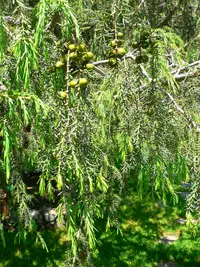
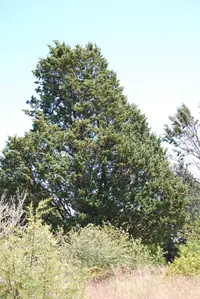
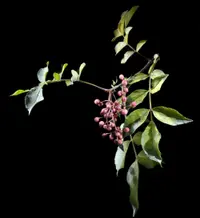
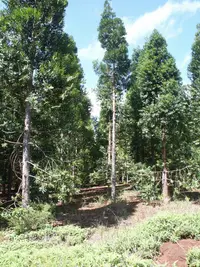
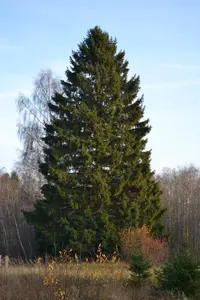
Canary Islands juniper, Juniperus cedrus, is a slow-growing coniferous tree or large shrub with dense, needle-like foliage and small, berry-like cones. It often develops a rugged, irregular crown with age.

This species is native to the Canary Islands and nearby Atlantic islands, where it grows on dry, rocky slopes and exposed ridges. Its natural tolerance for wind, drought, and poor soils makes it relatively resilient in cultivation.

Gardeners who care for Canary Islands Juniper usually value it for its durability, sculptural form, and evergreen cover. It generally prefers full sun, good air movement, and sharply drained, low to moderately fertile soil.


Main Plant Requirements

Care Difficulty

Moderate Care

Light Preference

Full Sun

Water Requirements

Low Water

Temperature Preference

Warm Climate

Hardiness Zone

9–11

Soil Texture

Sandy, Loamy, Rocky

Soil pH

Slightly acidic (6.5–7.0), Neutral (7.0)

Soil Drainage

Well-drained

Fertilization

Minimal (feed rarely)

Get Personalized Care Plan

Scan your plant to receive care tips personalized for your specific plant

Available on iOS and Android

How to Care for the Canary Islands Juniper

This high-elevation conifer thrives in strong sun but benefits from gradual exposure in hot, lowland sites.

  • Provide full sun for 6–8 hours daily; Canary Islands Juniper develops denser foliage and better color in open, unshaded positions.
  • Tolerates light partial shade, especially with morning sun and light afternoon shade in hotter regions to limit leaf scorch and stress.
  • In cooler coastal or high-altitude climates, all-day sun is suitable, but in very hot summers use reflected heat barriers and avoid south-facing walls that intensify radiation.

This species prefers dry, rocky conditions and is more often harmed by excess moisture than by brief dryness.

  • Allow the top 3–5 cm of soil to dry before watering; well-established Juniperus cedrus in the ground often manages on rainfall once roots are deep.
  • Use sharply drained, gritty soil so water runs through quickly; standing water, soggy soil, or a sour smell signal poor drainage and high rot risk.
  • In the first 1–2 growing seasons, water deeply when lower foliage begins to dull or branch tips slightly droop, then reduce frequency as the plant establishes.

This juniper is adapted to mild, Mediterranean-type climates with cool winters and warm, dry summers.

  • Optimal growth occurs around 60–77°F (16–25°C), with steady performance in locations that avoid extreme humidity and prolonged soil saturation.
  • Mature plants tolerate down to about 15–20°F (-9 to -6°C); young specimens benefit from protection from hard freezes and cold, drying winds.
  • Handles dry heat up to about 90–95°F (32–35°C) if roots are mulched and soil drains fast, but prolonged heat above this range can stress foliage and slow growth.

This species prefers dry air and does not need elevated humidity.

  • Target 30–50% air humidity, similar to most heated indoor homes and outdoor arid climates.
  • Canary Islands Juniper tolerates very dry air, so avoid misting, which can encourage fungal issues on foliage.
  • Watch for persistent tip dieback or browning coupled with wet soil, which usually indicates excess moisture around roots rather than low humidity.

Juniperus cedrus needs sharply drained, mineral-rich soil that mimics rocky slopes.

  • Use a gritty mix such as 50–60% coarse sand or grit with the rest pumice, perlite, or small bark pieces.
  • Aim for slightly acidic to neutral pH around 6.0–7.0, avoiding strongly alkaline, compacted ground.
  • Improve drainage and aeration by raising planting areas, using rock mulches, and avoiding fine peat-based mixes.
  • Do not plant in heavy clay or spots where water lingers after rain, since chronic wetness promotes root rot.

This species can be grown in containers if drainage and stability are carefully managed.

  • Choose a deep, heavy pot that resists tipping as the tree becomes taller and more wind-exposed.
  • Use a very coarse, rocky substrate that sheds water quickly yet anchors the root system firmly.
  • Elevate the pot on feet or blocks so drainage holes stay clear and excess water can escape freely.

Juniperus cedrus grows slowly and usually needs only light feeding in cultivation.

  • Use a balanced slow-release fertilizer (for example 10-10-10) or well-rotted compost in spring as new growth starts.
  • Apply once at the beginning of the growing season for in-ground plants; container specimens may benefit from a second light dose in midsummer.
  • Use fertilizers at 1/2 strength to avoid root burn, especially in pots.
  • Stop feeding Canary Islands Juniper by late summer and do not fertilize during winter dormancy.

Juniperus cedrus responds best to minimal, careful pruning that preserves its natural form.

  • Carry out light structural pruning in late winter or very early spring before active growth begins.
  • Remove only dead, diseased, crossing, or badly damaged branches, cutting back to a healthy side shoot or branch collar.
  • Use clean, sharp bypass pruners or loppers to make precise cuts and reduce tearing of bark.
  • Limit shaping cuts to small tips; heavy cutting into old, bare wood may not resprout and can disfigure the tree.

This species is usually grown in the ground, so focus on careful transplanting rather than frequent repotting.

  • Transplant in late winter or early spring when the plant is still dormant to reduce stress and improve establishment.
  • Look for signs such as roots circling the container, dense root mass, or slowed growth to decide when a potted plant needs a larger container.
  • Plan on moving container-grown plants only every 3–4 years, stepping up 1 pot size with a sharply draining, gritty mix.
  • Handle the root ball gently, loosen only the outer roots, water thoroughly after planting, and provide light shade and consistent moisture for several weeks.

Juniperus cedrus is most often propagated by semi-hardwood cuttings or seeds, both of which require patience.

  • Take semi-hardwood cuttings in late summer, 7–10 cm long, from healthy non-flowering shoots.
  • Remove lower foliage, wound the base slightly, dip in rooting hormone, and place in a sharply draining, sandy medium.
  • Maintain high humidity, bright indirect light, and a stable temperature around 65–75°F; rooting may take several months.
  • Sow cleaned seeds in well-drained mix and expose to cold stratification for 2–3 months to improve germination.

This juniper is relatively cold tolerant but benefits from simple winter care in colder regions.

  • In-ground plants in mild climates usually need no special protection once established.
  • In colder areas, apply a 5–8 cm layer of mulch around the root zone, keeping it away from the trunk, to buffer freeze–thaw cycles.
  • For container plants, move pots to a sheltered, unheated but frost-sheltered location or wrap containers with insulating material.

Care Tips

Wind exposure planning

Site plants where they receive strong air movement but are sheltered from the most extreme prevailing winds, for example near the lee side of a wall or boulder, to reduce branch breakage while still keeping foliage dry and disease pressure low.

Early leader training

In the first 3–5 years, select a single dominant leader and gently stake it if needed, removing competing upright shoots so the tree develops a stable central trunk and characteristic narrow crown.

Minimal mulch strategy

If mulching, use only a very thin (1–2 cm) layer of coarse gravel or small rocks around but not touching the trunk, which mimics its native rocky habitat, limits weed competition, and avoids excess moisture around the crown.

Salt and spray tolerance

For coastal planting, position trees where they receive some protection from direct salt spray, such as slightly inland or behind salt-tolerant shrubs, because prolonged heavy spray can scorch foliage even on this relatively salt-tolerant species.

Rocky root anchoring

When planting on slopes or in very free-draining sites, set the root ball slightly proud of the soil surface and backfill with a mix that includes angular gravel or small rocks to improve root anchorage and reflect its adaptation to cliff and scree habitats while growing Canary Islands Juniper.

Common Pests and Diseases

Cypress aphids

This pest feeds on young shoots and foliage, causing yellowing, reduced vigor, and in heavy infestations twig dieback. Symptoms include sticky honeydew on branches that may lead to sooty mold growth.

Solution

Prune out heavily infested shoot tips and dispose of them away from the plant. For remaining colonies, spray foliage thoroughly with a strong jet of water, then apply insecticidal soap or a horticultural oil labeled for conifers, repeating every 7–10 days as needed while monitoring for beneficial insects such as lady beetles.

Juniper scale

This pest appears as tiny, whitish or grayish bumps on needles and twigs, causing dull, yellowed foliage and gradual decline. This insect sucks sap, and severe infestations can lead to twig dieback on stressed Canary Islands juniper.

Solution

Cut out and discard heavily infested twigs to reduce population pressure. Treat remaining plants during crawler (young scale) activity with a light horticultural oil spray, ensuring full coverage of twigs and inner canopy, and improve vigor with proper watering and reduced drought or heat stress to increase natural resistance.

Phomopsis tip blight

This disease causes new shoot tips to turn dull green, then reddish brown, often with a clear line between dead tips and healthy older growth. Symptoms include scattered dead tips that can coalesce over time, especially in young or recently transplanted plants.

Solution

Prune and remove all blighted shoot tips 5–10 cm below visible damage during dry weather, disinfecting tools between cuts. Improve airflow by thinning dense growth, avoid overhead watering, and if the disease recurs in wet springs, apply a registered fungicide for junipers to new growth according to label directions.

Kabatina tip blight

This disease affects 1-year-old shoots, causing browning and dieback in late winter or early spring, often with tiny black fruiting bodies at the base of dead needles. Symptoms include scattered dead tips that may be confused with Phomopsis but typically appear earlier on slightly older growth.

Solution

Remove and destroy affected shoot tips and fallen debris to reduce fungal spores, cutting several centimeters into healthy wood. Maintain good site drainage, avoid wounding young shoots, and focus on cultural management; in most garden situations fungicides are not needed if sanitation and good growing conditions are maintained.

Cercospora needle blight

This disease leads to thinning foliage, with inner needles turning yellow, then brown, while outer tips may remain green for some time. Symptoms include a more open, sparse canopy and premature needle drop, especially in humid or poorly ventilated sites.

Solution

Increase light and airflow by spacing plants properly and lightly thinning dense branches, and avoid overhead irrigation that wets the foliage for long periods. Collect and discard fallen needles, and in chronically humid or high-rainfall areas consider a preventative fungicide program during the main growth period as part of broader Juniperus cedrus care instructions.

Interesting Facts

Endemic Canary Island conifer

This species occurs naturally only in the Canary Islands, mainly on Tenerife and La Palma, where it forms scattered stands on steep cliffs and high mountain slopes above the main pine forests.

Cliff-dwelling survival strategy

Many populations grow on almost vertical volcanic rock faces, where limited soil, high light, and constant wind have selected for a very slow-growing, drought-tolerant tree with a deep root system and dense, small scale-like leaves that reduce water loss.

Critically endangered in the wild

Juniperus cedrus is listed as Endangered on the IUCN Red List because centuries of logging, overgrazing, and fire drastically reduced its original range, and current wild stands consist largely of old individuals with limited natural regeneration.

Botan icon

Did you know?

Ancient individuals on high cliffs of Tenerife have been dated to many centuries in age, and some large trees are considered living relicts of the original pre-human laurel and juniper woodlands that once covered much of the Canary Islands.

FAQs about Canary Islands Juniper

Growth is generally slow to moderate, often around 5–15 cm per year under garden conditions. Rate depends on light, drainage, soil depth, and climate. Young plants may establish slowly, then speed up slightly once roots are anchored.

Grow Healthy Plants with Botan Care

Keep your plants happy and healthy with plant identification, disease detection, and easy care guidance.

Botan plant care app — identify plants on mobile

Explore More Plants