Shelter From Heat
In hotter regions, establish young trees on a north- or east-facing slope or with light afternoon shade from taller trees or structures to reduce heat stress and needle scorch when growing Red Fir.

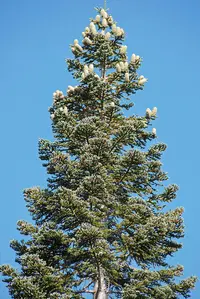
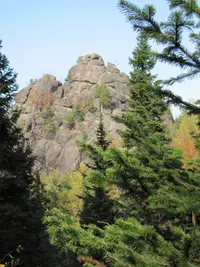
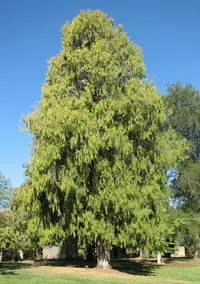
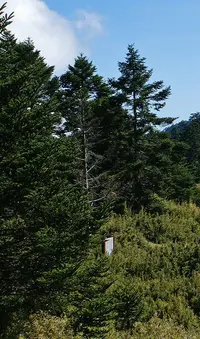
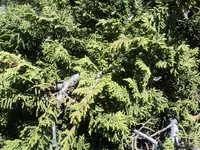
Red fir, Abies magnifica, is a large, long-lived conifer native to high mountains of California and southwestern Oregon. It forms a tall, straight trunk with a dense, conical crown. Its needles are short, bluish-green to silvery, and arranged radially around the shoots, giving the tree a full, layered look. Cones are upright and sit high in the canopy. This species prefers cool summers, snowy winters, and moist, well-drained, slightly acidic soil, so it is challenging in warm or dry lowland gardens. Those who care for Red Fir successfully usually provide ample moisture, good air circulation, and protection from extreme heat.

Care Difficulty
Moderate Care

Light Preference
Full Sun

Water Requirements
Moderate Water

Temperature Preference
Cold Hardy

Hardiness Zone
5–7

Soil Texture
Loamy, Sandy, Rocky

Soil pH
Strongly acidic (4.5–5.5), Acidic (5.5–6.5)

Soil Drainage
Well-drained

Fertilization
Minimal (feed rarely)
Scan your plant to receive care tips personalized for your specific plant
Available on iOS and Android
This high-mountain conifer prefers cool, bright exposure with protection from intense heat when cultivated away from its native range.
This species prefers evenly moist, cool soil but is sensitive to both chronic dryness and standing water.
This cold-adapted conifer thrives in cool, mountain-type climates with cold winters and mild summers.
This species prefers cool, moderately moist air but usually adapts to 40–60% humidity outdoors.
Abies magnifica needs deep, cool, moist but well-drained soil to establish long-term health.
This species is generally unsuited to long-term container growing due to its eventual size and deep root system.
Mature Abies magnifica in the ground usually needs little feeding if soil is reasonably fertile.
Abies magnifica needs only light, corrective pruning to maintain health and natural form.
This species is usually grown in the ground; focus on careful transplanting of young trees rather than long-term container culture.
Abies magnifica is most often propagated from seed and is considered moderately challenging for home growers.
Abies magnifica is a cold-hardy conifer that usually needs minimal winter care once established in the landscape.

Plant Health Check
Not sure what's wrong with your plant? Check your plant's health inside the app.
This species is naturally restricted to high elevations in the Sierra Nevada and southern Cascade Range, typically forming pure stands on cold, snowy ridges and plateaus above about 1,500–1,800 m.
Mature trees develop thick, furrowed bark with a grayish surface and a characteristic reddish inner layer that gives the red fir its name and helps protect the trunk from moderate surface fires.
The narrow, spire-like crown and strong, upward-curving branches help the tree shed heavy mountain snow loads, reducing breakage in the deep-snow habitats where it dominates.

Red fir wood has been widely used in western North America for structural lumber and pulp, and in many timber inventories it is commercially grouped together with the closely related noble fir (Abies procera) because the two species are often difficult to distinguish in the field.
This species grows slowly to moderately, usually adding about 30–45 cm in height per year under good conditions. Growth is faster in deep, cool, moist soils and slower in exposed, dry, or compacted sites.
Keep your plants happy and healthy with plant identification, disease detection, and easy care guidance.