Chinese weeping cypress Care (Cupressus pendula)

Chinese weeping cypress

About Chinese weeping cypress

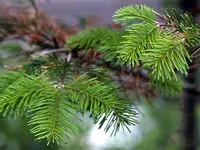
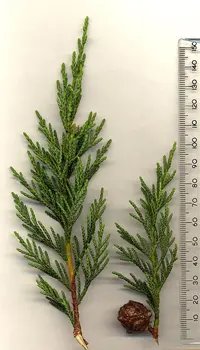
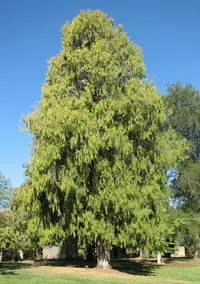
Chinese weeping cypress, Cupressus pendula, is an evergreen conifer known for its narrow, graceful form and drooping branchlets. It develops soft, fine foliage that hangs in curtains, giving a distinct weeping silhouette.

This species is native to parts of the Himalayas, where it grows on cool, mountainous slopes. In cultivation it is usually grown as an ornamental tree or large shrub in mild climates.

Growth is moderate and the plant can become tall over time, so it suits larger gardens or open spaces. It generally prefers full sun, well-drained soil, and consistent but not excessive moisture, which helps guide how to care for Chinese weeping cypress.

Main Plant Requirements

Care Difficulty

Moderate Care

Light Preference

Full Sun

Water Requirements

Moderate Water

Temperature Preference

Warm Climate

Hardiness Zone

9–11

Soil Texture

Sandy, Loamy, Rocky

Soil pH

Acidic (5.5–6.5), Slightly acidic (6.5–7.0)

Soil Drainage

Well-drained

Fertilization

Minimal (feed rarely)

Get Personalized Care Plan

Scan your plant to receive care tips personalized for your specific plant

Available on iOS and Android

How to Care for the Chinese weeping cypress

This conifer prefers bright outdoor conditions with consistent daily sun for dense, healthy growth.

  • Provide 6–8 hours of direct sun daily, ideally with morning sun and light afternoon shade in very hot climates to reduce foliage scorch.
  • Tolerates light or dappled shade for part of the day, but Chinese weeping cypress becomes sparse and elongated if grown in less than 4 hours of direct sun.
  • In cooler seasons allow more open sun exposure, while in summer protect young plants from intense late-afternoon sun with taller plants or light shade cloth.

This species prefers evenly moist but not saturated soil, especially while establishing.

  • Allow the top 3–5 cm of soil to dry before deep watering, ensuring moisture reaches the full root zone rather than applying frequent shallow drinks.
  • Use well-drained soil on a slight slope or raised area so water does not pool, as prolonged soggy conditions cause root rot and yellowing foliage.
  • In the first 2–3 growing seasons, increase watering during hot, dry spells; once established, reduce frequency and watch for drooping or browning tips as signs of drought stress.

This tree thrives in mild to warm climates and handles light cold once established.

  • Optimal growth occurs around 60–80°F (16–27°C), where shoot extension and foliage density remain steady without stress symptoms.
  • Mature plants usually tolerate brief drops to about 15–20°F (-9 to -6°C), but young Cupressus pendula need protection from hard freezes and drying winter winds.
  • In hot regions, temperatures above 95°F (35°C) are tolerated if soil moisture is maintained and roots are mulched to moderate temperature swings.

This species prefers moderate humidity but usually adapts to typical indoor air if not kept overly dry.

  • Aim for 40–60% humidity; prolonged levels below 30% can stress Chinese weeping cypress foliage.
  • Watch for humidity stress signs such as browning tips, crispy scale-like leaves, and increased needle drop.
  • Increase humidity by grouping plants, placing the pot on a pebble tray with water below the base, or using a room humidifier.

Cupressus pendula grows best in loose, well-drained mineral soils that do not stay waterlogged.

  • Use a sandy or loamy mix with moderate organic matter, such as 50–60% peat-free compost blended with coarse sand and fine bark.
  • Ensure rapid drainage; water should pass through the root zone quickly without pooling at the bottom of the container or planting area.
  • Keep soil slightly acidic to neutral, around pH 6.0–7.0, avoiding strongly alkaline or salty conditions that impair nutrient uptake.
  • Improve aeration and structure by adding 20–30% coarse perlite or pumice and avoid heavy clay or compacted mixes.

This species can be grown in containers if the pot is chosen and managed to support its eventual size and root system.

  • Select a deep, heavy container that resists tipping as the plant becomes tall and slightly top-heavy in wind or exposed positions.
  • Leave a generous gap between the soil surface and pot rim so overhead watering does not flush mix and fine roots over the edge.
  • Use a pot material that drains well yet moderates moisture, such as thick-walled terracotta lined with a free-draining mix to reduce root stress.

Cupressus pendula benefits from light, controlled feeding rather than heavy fertilization.

  • Apply a balanced slow-release fertilizer (around 10-10-10) once each spring as new growth begins.
  • Use a modest rate, at 1/2 the label recommendation for shrubs, to avoid excessive, weak growth.
  • Supplement with a thin layer of compost over the root zone instead of frequent granular feedings.
  • Stop feeding by late summer and avoid fertilizing in winter to allow growth to harden before cold.

Pruning Cupressus pendula focuses on maintaining structure and removing problem wood, not on heavy shaping.

  • Carry out pruning in late winter or very early spring before active growth starts.
  • Remove dead, diseased, crossing, or storm-damaged branches back to healthy wood with clean bypass pruners or a saw.
  • Limit cuts to small side branches to preserve the natural weeping form and stable leader.
  • Avoid cutting into thick, old wood that lacks green foliage, as it may not reshoot reliably.

This species is usually grown in the ground, so care centers on thoughtful transplanting rather than frequent repotting.

  • Transplant in late winter to early spring when the tree is dormant and temperatures are mild.
  • Look for circling roots, roots emerging from drainage holes, or clear pot-binding if grown in a container.
  • Shift to a slightly larger container or ground position, keeping the root ball intact and at the same soil level.
  • Water deeply after moving, then maintain even moisture and light shade for several weeks to reduce transplant stress.

Cupressus pendula is most commonly propagated from semi-hardwood cuttings under controlled conditions.

  • Take semi-hardwood cuttings in late summer from healthy, non-flowering shoots 8–12 cm long.
  • Strip lower foliage, dip the base in rooting hormone, and insert into a well-drained, sterile mix such as 1:1 perlite and peat.
  • Maintain high humidity, gentle bottom heat around 70°F, and bright, indirect light to support rooting.
  • Sow seeds only from known sources; they require stratification (chilling period) and may produce variable offspring.

Mature Cupressus pendula tolerates moderate cold, but young or potted plants benefit from some winter protection.

  • Mulch the root zone with 5–8 cm of bark or leaf mold, keeping mulch slightly away from the trunk.
  • In windy, freezing sites, use a breathable windbreak or burlap wrap around young trees to reduce desiccation.
  • Move containers to a sheltered, unheated but frost-free spot and water sparingly, keeping the root ball just moist.

Care Tips

Stake Young Leaders

Install a sturdy stake on the windward side of young plants and loosely tie the central leader in 2–3 places so the weeping branches develop a straight, stable trunk before the canopy becomes heavy.

Lift Lower Branches

Gradually prune or gently tie up the lowest drooping branches to keep them off the ground, which improves air flow, reduces fungal problems, and makes maintenance around the base easier.

Wind-Smart Placement

Site plants where strong prevailing winds are broken by a fence, hedge, or building, or create a windbreak, since persistent wind can distort the weeping form and cause branch breakage.

Snow Load Management

In snowy climates, gently shake off heavy, wet snow from the long pendant branches after storms to prevent bending, cracking, or permanent deformation of the graceful weeping structure.

Mulch Root Zone

Maintain a 5–8 cm deep ring of organic mulch over the root zone, kept a few cm away from the trunk, to buffer soil temperature, conserve moisture, and protect fine feeder roots when growing Chinese weeping cypress.

Common Pests and Diseases

Cypress aphids

This pest feeds on young shoots and foliage, causing yellowing, browning, and dieback on outer branch tips. Symptoms include sticky honeydew on twigs and sooty mold growing on the excretions.

Solution

Prune out and destroy heavily infested shoot tips, then hose down foliage with a strong stream of water to dislodge aphids. For persistent infestations, use a horticultural oil or insecticidal soap, ensuring thorough coverage of inner branches and repeating every 7–10 days as needed.

Cypress canker

This disease causes sunken, resin-oozing lesions on stems and branches, leading to sudden browning and dieback of entire sections of the canopy. Symptoms include reddish-brown foliage on affected branches that does not recover.

Solution

Cut out infected branches well below visible cankers, sterilizing pruning tools between cuts, and dispose of debris away from healthy conifers. Improve airflow, avoid overhead watering, and reduce plant stress by maintaining steady soil moisture and avoiding heavy nitrogen fertilization, which can make tissues more susceptible.

Spider mites

These insects are tiny sap-feeders that thrive in hot, dry conditions, causing fine stippling, dull gray-green foliage, and eventual browning on the inner canopy. Symptoms include fine webbing between branchlets when populations are high.

Solution

Increase humidity around the plant and spray the foliage thoroughly with water, focusing on inner branches where mites hide. If mites persist, apply insecticidal soap or a labeled miticidal oil, treating all sides of the foliage and repeating at 5–7 day intervals until new growth appears clean.

Bagworms

This pest builds spindle-shaped silk and debris bags that hang from branchlets and can strip foliage when populations are high. Symptoms include scattered defoliation and numerous small, brown, hanging cases that move slightly when disturbed.

Solution

Hand-pick and destroy bags in late fall through early spring before larvae emerge, disposing of them in sealed trash. For large trees or heavy summer infestations, consider a targeted biological product containing Bacillus thuringiensis (Bt) applied when larvae are small and actively feeding on foliage.

Seiridium dieback

This disease causes scattered twig and branch dieback, often starting on one side of the tree, with reddish-brown foliage and small, dark fruiting bodies on affected bark. Symptoms include gradual thinning of the canopy rather than sudden collapse.

Solution

Remove and discard affected twigs and branches during dry weather, cutting back into healthy wood and disinfecting tools between cuts. Reduce stress by providing consistent moisture, mulching the root zone, and avoiding trunk or root damage, which helps the tree resist further infection and supports healthy regrowth while following general Cupressus pendula care instructions.

Interesting Facts

Natural Himalayan origin

This weeping cypress is believed to originate from high-altitude regions of the eastern Himalayas, where cool temperatures and bright light shape its narrow, pendulous crown and tolerance for colder conditions compared with many other ornamental conifers.

Strong weeping architecture

The species forms a distinctly columnar main trunk with long, flexible, drooping branchlets, creating a vertical, curtain-like silhouette that is maintained even in moderate wind exposure due to the fine, pliable foliage sprays.

Aromatic resin canals

Its wood and foliage contain resin canals that release a noticeable coniferous scent when bruised, a feature that helps protect the plant against some insects and fungal pathogens by forming physical and chemical barriers in injured tissues.

FAQs about Chinese weeping cypress

Growth is moderate. In suitable outdoor conditions, a young tree often adds about 20–40 cm per year, slowing as it matures. Final size and speed depend strongly on climate, soil quality, and root space.

Grow Healthy Plants with Botan Care

Keep your plants happy and healthy with plant identification, disease detection, and easy care guidance.

Botan plant care app — identify plants on mobile

Explore More Plants