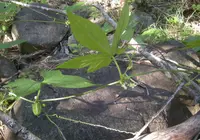
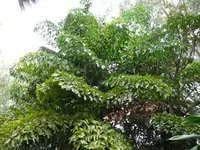
Early scaffold training
In the first 3–4 years, select 3–5 well-spaced main branches around the trunk and gently tie them to canes or spreaders at a 45–60° angle to build a strong, open framework that resists breakage under fruit load.

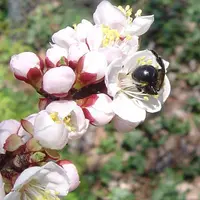
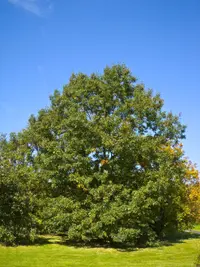
Manchurian apricot, Prunus mandshurica, is a cold-hardy deciduous fruit tree valued for its early spring blossoms and small, edible apricots. It usually develops a rounded crown and medium height, making it suitable for orchards, large gardens, and shelterbelts.
This species is native to northeastern Asia, including parts of China, Korea, and the Russian Far East, where it tolerates harsh winters and dry conditions. Its strong cold resistance and adaptability to different soils can make it easier to establish than many other apricot types.
To care for Manchurian Apricot, gardeners typically provide full sun, well-drained soil, and moderate moisture to support healthy flowering and fruiting.

Care Difficulty
Moderate Care

Light Preference
Full Sun

Water Requirements
Moderate Water

Temperature Preference
Cold Hardy

Hardiness Zone
3–7

Soil Texture
Sandy, Loamy, Clay

Soil pH
Acidic (5.5–6.5), Slightly acidic (6.5–7.0)

Soil Drainage
Well-drained

Fertilization
Minimal (feed rarely)
Scan your plant to receive care tips personalized for your specific plant
Available on iOS and Android
This deciduous fruit tree needs strong outdoor light to flower and fruit well.
This hardy tree prefers evenly moist, well-drained soil rather than frequent shallow watering.
This species is a cold-hardy, outdoor fruit tree adapted to continental climates.
This hardy temperate tree tolerates a wide humidity range and rarely needs special humidity management outdoors.
Prunus mandshurica prefers deep, well-structured mineral soil that drains freely yet retains moderate moisture.
This species can be grown in containers for a limited time, mainly as a young tree or patio specimen.
This hardy fruit tree benefits from modest, targeted feeding rather than heavy fertilization.
Prunus mandshurica responds well to thoughtful structural pruning that maintains light, airflow, and fruiting wood.
This species is usually grown in the ground, so focus on careful planting and occasional transplanting of young trees rather than long-term container culture.
Propagation of this species is possible but more technical, so it is often left to nurseries or experienced growers.
This cold-hardy tree tolerates low winter temperatures but benefits from some basic protection in exposed sites.

Plant Health Check
Not sure what's wrong with your plant? Check your plant's health inside the app.
This Manchurian apricot can survive winter temperatures below −30°C, which allows it to grow in much colder regions than most cultivated apricot species.
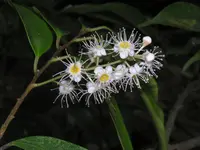
It flowers very early in spring on bare wood before leaf-out, creating dense white to pale pink blooms that are highly vulnerable to late frosts in continental climates.
Plant breeders use this species as a hardy parent in hybridization programs to introduce cold tolerance and disease resistance into commercial apricot cultivars.

In parts of northeastern Asia, this species has long been planted as a multifunctional tree, providing edible kernels, wood, and early-season bee forage, while also serving in shelterbelts and soil conservation plantings due to its toughness in harsh continental climates.
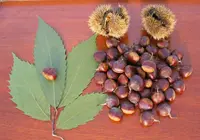
The fruit is edible and used fresh, dried, or processed, but flavor ranges from pleasant to quite tart. Some seedlings produce small or poor-quality fruit. Always remove and discard the kernel inside the pit, which contains toxic compounds.
Keep your plants happy and healthy with plant identification, disease detection, and easy care guidance.