cabbage rose Care (Rosa × centifolia)

Also known as: Provence rose, Provencal rose
cabbage rose

About cabbage rose

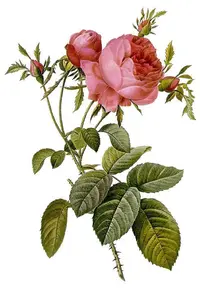
The cabbage rose, Rosa × centifolia, is a classic old garden rose known for its very full, rounded blooms that resemble a compact cabbage head. It is a deciduous shrub rose with arching stems, usually grown for its strong fragrance and dense petals.

This rose originated in Europe through historical hybridization and is often found in traditional gardens and heritage collections. It can be moderately demanding, as it prefers good air circulation and careful pruning to reduce disease.

In general, it grows best in sunny sites with fertile, well-drained soil and regular moisture. Understanding these basics makes it easier to care for cabbage rose successfully.


Main Plant Requirements

Care Difficulty

Moderate Care

Light Preference

Full Sun

Water Requirements

Regular Water

Temperature Preference

Cold Hardy

Hardiness Zone

5–9

Soil Texture

Loamy, Sandy, Organic-rich

Soil pH

Acidic (5.5–6.5), Slightly acidic (6.5–7.0)

Soil Drainage

Moist but well-drained

Fertilization

Moderate (every 2–4 weeks)

Get Personalized Care Plan

Scan your plant to receive care tips personalized for your specific plant

Available on iOS and Android

How to Care for the cabbage rose

Rosa × centifolia performs best with abundant light but benefits from some daily protection from harsh sun.

  • Provide 6–8 hours of direct sun daily, ideally with morning sun and light afternoon shade, especially in hot summers.
  • Allow light partial shade (3–4 hours sun) in hotter climates; flowering may decrease slightly but foliage often looks healthier.
  • Avoid intense, reflected afternoon sun that can scorch petals and leaves; in winter, maximize exposure by avoiding shade from buildings or evergreens.

This rose prefers deep, infrequent watering that allows the soil surface to dry slightly between soakings.

  • Water when the top 3–5 cm of soil feels dry, applying a slow, deep soak at the root zone rather than frequent light sprinklings.
  • Use well-drained soil; persistent wetness, sour smell, yellowing lower leaves, or blackened stems indicate overwatering and poor drainage.
  • In hot, dry weather, monitor more often for dull, drooping leaves; reduce watering in cool or rainy periods while ensuring the root zone does not fully dry out.

This species is a hardy garden rose that tolerates cool winters and mild to warm summers when extremes are avoided.

  • Support active growth and flowering at 60–75°F (16–24°C), which suits typical spring and early summer conditions in many temperate regions.
  • Mature plants often survive down to about 5–10°F (-15 to -12°C) with good mulching, but young plants benefit from extra winter protection from freeze–thaw cycles.
  • During heat above 90°F (32°C), expect reduced flower quality; provide mulch and root-zone shade where possible, and avoid pruning or transplanting in peak heat.

This rose tolerates a broad humidity range but grows best with modestly moist air outdoors.

  • Target 40–60% humidity, which is typical of most outdoor garden conditions in temperate regions.
  • Cabbage rose usually handles short dry spells, but prolonged hot, very dry winds can cause crisped leaf edges and faster flower desiccation.
  • Increase humidity locally by mulching the root zone and grouping plants, but avoid overhead misting that keeps foliage wet and encourages fungal disease.

Rosa × centifolia prefers deep, fertile, well-structured soil for reliable flowering and healthy roots.

  • Use a loamy mix with noticeable crumb structure, combining roughly 40% garden loam, 40% compost, and 20% sharp sand for drainage.
  • Aim for a slightly acidic to neutral pH of 6.0–7.0; add garden lime if soil is very acidic or elemental sulfur if strongly alkaline.
  • Improve aeration and drainage in heavy clay by incorporating coarse sand and well-rotted compost through the top 25–30 cm.
  • Avoid compacted, waterlogged, or very shallow soils, which restrict root growth and increase the risk of root rot and weak stems.

This rose can be grown in containers, but it needs large, stable pots and careful water management.

  • Choose a deep, heavy container (such as thick terracotta) to balance the tall, top-heavy growth and reduce tipping in wind.
  • Select a pot diameter of at least 45–50 cm to allow substantial root volume and buffer against rapid drying.
  • Elevate the container on pot feet so drainage holes remain clear and excess water exits freely after rain or irrigation.

Rosa × centifolia responds well to moderate feeding that supports flowering without producing overly lush, weak growth.

  • Use a balanced granular or slow-release rose fertilizer (for example 10-10-10) or well-rotted compost worked lightly into the soil surface in spring.
  • Feed outdoor plants every 4–6 weeks during the active growing and blooming season, stopping by late summer to allow stems to harden.
  • Apply liquid feeds at half-strength to avoid root burn, especially in containers or young plants.
  • For cabbage rose in poor or sandy soils, supplement with an annual top-dressing of compost to improve structure and nutrient availability.

Rosa × centifolia benefits from thoughtful pruning to maintain shape, encourage airflow, and support strong flowering wood.

  • Carry out main pruning in late winter or very early spring, before buds break but after the hardest frosts have passed.
  • Remove dead, diseased, or damaged canes first, then thin out weak or crossing stems to open the center of the shrub.
  • Shorten remaining strong canes by about one-third to shape the plant and promote vigorous new flowering shoots.
  • Use sharp, clean bypass pruners and make angled cuts just above outward-facing buds to direct growth away from the center.

This rose is usually grown in the ground, so care focuses more on transplanting established shrubs than on frequent repotting.

  • Transplant in early spring or fall when temperatures are mild and the plant is not in full bloom, reducing stress on roots and shoots.
  • Look for signs such as slow growth, poor flowering, or roots circling a container to decide when potted plants need moving to a larger pot or bed.
  • Dig a wide hole, loosen circling roots gently, and set the plant so the graft union, if present, sits just above soil level.
  • Water deeply after transplanting, then keep soil evenly moist and shaded at the base for 2–4 weeks to support root re-establishment.

Rosa × centifolia is commonly propagated vegetatively to maintain cultivar traits and ensure uniform flowering.

  • Take semi-ripe stem cuttings in late summer, 10–15 cm long, and root them in a moist, free-draining mix under high humidity and bright, indirect light.
  • Use hardwood cuttings in late fall to winter, inserting leafless stems into outdoor nursery beds or deep pots kept cool but not waterlogged.
  • Layer low, flexible shoots in spring by pegging them into shallow trenches and covering with soil until roots form, then separate and plant.
  • Seed can be used for breeding but does not come true; stratify cleaned seeds in moist medium at 34–41°F for several weeks before sowing.

Rosa × centifolia is reasonably cold hardy in temperate climates but benefits from basic winter protection in colder regions.

  • In zones with freezing winters, apply a 5–10 cm layer of mulch around the root zone after the ground cools to insulate roots.
  • Avoid heavy pruning in fall; instead, lightly shorten long canes and tie them to supports to reduce wind rock and breakage.
  • In very cold areas, mound soil or compost 10–15 cm high around the base, then remove gradually in early spring.
  • Move container-grown plants into a sheltered, unheated but frost-free area or group pots against a wall and insulate them.

Care Tips

Layered winter protection

In cold climates below about 10°F, mound 15–20 cm of soil or compost over the crown in late fall, then add a breathable mulch layer like shredded leaves or straw, removing it gradually in early spring to prevent crown rot and breakage of new shoots.

Support heavy blooms

Install a low ring support or discreet stakes around the shrub early in the season so that long, arching canes and heavy flower clusters are held upright, reducing stem breakage and keeping blooms off wet soil where fungal problems are more likely.

Targeted disease hygiene

During humid or rainy periods, collect and dispose of fallen leaves and spent petals every few days and avoid overhead wetting of flowers to reduce fungal disease pressure such as botrytis on the dense, many-petaled blooms.

Renewal cane management

Mark and retain 3–5 of the strongest, sun-exposed canes each year while removing the oldest, weak, or crossing canes at the base in late winter so that flowering wood is regularly renewed and the shrub stays open to light and air.

Bud-thinning for quality

On vigorous stems with many tight clusters of buds, pinch off some side buds while small so that the remaining central buds develop into larger, better-formed flowers, which is especially helpful when growing cabbage rose for cutting or display.

Common Pests and Diseases

Powdery mildew

This disease commonly affects older rose cultivars, causing a white, powdery coating on young leaves, buds, and stems that can distort new growth.

Solution

Improve air circulation by pruning crowded stems and avoid overhead watering, especially in the evening. Remove and dispose of heavily infected leaves and apply a sulfur or potassium bicarbonate-based fungicide according to label directions during humid, mild weather.

Black spot

This disease produces round black spots with fringed edges on leaves, followed by yellowing and premature leaf drop, and is frequent on traditional cabbage-type roses in damp conditions.

Solution

Collect and dispose of fallen leaves, prune out heavily affected shoots, and water at soil level to keep foliage dry. Use a preventative fungicide labeled for roses, such as chlorothalonil or myclobutanil, starting in spring and repeating at the interval indicated on the label during wet periods.

Rose aphids

These insects cluster on tender shoots and flower buds, sucking sap and causing distorted growth, sticky honeydew, and sometimes sooty mold on cabbage roses.

Solution

Dislodge colonies with a strong stream of water and pinch off heavily infested soft tips. If needed, apply insecticidal soap or a ready-to-use horticultural oil, coating the undersides of leaves and young stems in cool, overcast conditions to avoid leaf burn.

Rose leafhopper

This pest feeds on the undersides of leaves, causing pale stippling, leaf curl, and reduced vigor, and it is often more noticeable on old garden roses grown in sunny, dry sites.

Solution

Inspect the undersides of leaves regularly and rinse foliage with water to remove nymphs. For persistent problems, use insecticidal soap or a light horticultural oil, and remove nearby weeds that can serve as alternate hosts.

Botrytis blight

This disease affects highly scented, many-petaled blooms, causing buds to brown and fail to open and open flowers to develop soft, gray, fuzzy mold, especially in cool, humid weather.

Solution

Remove and discard all affected buds, flowers, and nearby leaves, and avoid overhead watering or prolonged wetting of blooms. Improve air movement by thinning crowded stems, and in severe or recurrent cases use a botrytis-active fungicide as part of broader Rosa × centifolia care instructions in wet spring or fall periods.

Interesting Facts

Origins in Dutch breeding

This old garden rose is believed to have arisen in the 16th–17th centuries in the Netherlands from complex hybridization among European and possibly Middle Eastern roses, which produced its characteristically dense, many-petaled flowers.

High-petal pompon blooms

Its flowers typically form globular, cabbage-like heads with densely packed petals, a morphology rarely as extreme in most other historic rose groups and the reason for the common name cabbage rose.

Classic perfumery rose

The highly fragrant flowers have long been cultivated in Grasse, France, where their essential oil and absolute are used as reference materials in perfumery, valued for a rich, complex scent profile distinct from that of damask rose oils.

Botan icon

Did you know?

Botanically, Rosa × centifolia is considered a stabilized hybrid group rather than a single uniform species, meaning traditional garden forms share a common hybrid origin but can differ genetically while still being treated under the same historic name.

FAQs about cabbage rose

Poor flowering usually comes from insufficient sun, heavy shade, or pruning at the wrong time, which removes flowering wood. Excess nitrogen fertilizer also favors leaf growth over buds. Check light, feeding balance, and prune only after the main flush.

Grow Healthy Plants with Botan Care

Keep your plants happy and healthy with plant identification, disease detection, and easy care guidance.

Botan plant care app — identify plants on mobile

Explore More Plants