wrinkled club fungus Care (Clavulina rugosa)

Also known as: Wrinkled Club
wrinkled club fungus

About wrinkled club fungus

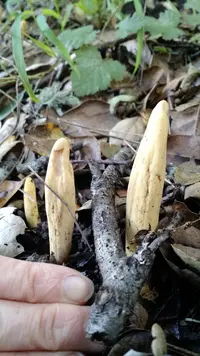
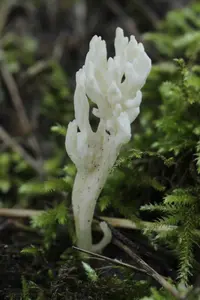
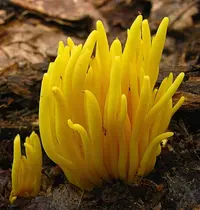
Wrinkled club fungus, Clavulina rugosa, is a small, coral-like fungus rather than a traditional leafy plant. It forms upright, club-shaped, often twisted branches that range from whitish to pale gray. These fruiting bodies usually appear on soil or leaf litter in mixed woodlands. The species is native to many temperate regions, especially in North America and Europe. It typically fruits in late summer to autumn, often in small groups or scattered patches. Understanding how to care for wrinkled club fungus in cultivation is challenging, as it likely forms associations with tree roots and prefers undisturbed, moist, well-drained forest soil conditions.

Main Plant Requirements

Care Difficulty

Hard Care

Light Preference

Shade

Water Requirements

Keep Soil Moist

Temperature Preference

Cool Climate

Hardiness Zone

Unknown

Soil Texture

Loamy, Organic-rich, Peaty

Soil pH

Acidic (5.5–6.5)

Soil Drainage

Moist but well-drained

Fertilization

Minimal (feed rarely)

Get Personalized Care Plan

Scan your plant to receive care tips personalized for your specific plant

Available on iOS and Android

How to Care for the wrinkled club fungus

This fungus prefers gentle forest light rather than open, direct sun.

  • Site Clavulina rugosa in bright, indirect light or dappled shade under trees, mimicking a woodland canopy with moving shade through the day.
  • Allow brief morning sun (1–3 hours) but avoid strong midday and afternoon sun, which can dry the substrate and stress the fungal network.
  • In summer, provide more shade during hot, clear days; in autumn, slightly increased light after leaf drop is acceptable if the substrate stays moist.

This species depends on consistently moist, well‑drained soil around its host tree roots.

  • Water when the top 2–3 cm of forest‑type soil or mulch begins to feel slightly dry, aiming for evenly moist but never waterlogged conditions.
  • Improve drainage with leaf litter, bark, or coarse organic matter so water moves through quickly yet the substrate retains some humidity.
  • In hot, dry periods increase checks to daily for drying signs; reduce added water in cool, rainy seasons to avoid anaerobic, sour‑smelling, oversaturated soil.

This woodland fungus thrives in cool to mild conditions and dislikes temperature extremes.

  • Optimal fruiting occurs around 55–70°F (13–21°C), though the underground mycelium can stay active slightly above and below this range.
  • It generally tolerates down to about 25–30°F (-4– -1°C) in soil, but repeated hard freezes with bare, exposed ground can reduce fruiting.
  • Sustained heat above 80°F (27°C) with dry soil suppresses growth, so provide shade, organic mulch, and steady moisture during hot summers.

This ectomycorrhizal fungus prefers consistently moist, cool air but tolerates moderate fluctuation outdoors.

  • Aim for ambient humidity around 60–80% in sheltered culture areas to reduce drying of fruiting bodies.
  • Short-lived, pale, shriveling clubs indicate humidity stress and surface desiccation.
  • Increase local humidity with damp leaf litter or moss around the base rather than misting directly onto wrinkled club fungus.

This fungus fruits best in loose, organic-rich forest-type soil with steady moisture and rapid drainage.

  • Use a mix mimicking woodland topsoil: 50–70% leaf mold or composted bark with the rest mineral soil or coarse sand.
  • Target a slightly acidic pH around 5.0–6.5, which supports host tree roots and favors Clavulina rugosa development.
  • Keep structure friable and well aerated; avoid compaction by limiting foot traffic and mixing in fine bark or coarse sand.
  • Do not use heavy clay, waterlogged patches, or sterile bagged media alone, as these restrict mycelial spread and gas exchange.

This species is generally unsuitable for container growing because it depends on stable ectomycorrhizal associations with host tree roots in undisturbed soil.

This woodland fungus relies mainly on its tree partners for nutrients, so added fertilizer for Clavulina rugosa is usually unnecessary.

Pruning is not a standard practice for Clavulina rugosa, as the fruiting bodies are temporary and naturally decompose.

  • If needed, remove only clearly dead, moldy, or insect-infested fruiting bodies to reduce disease spread.
  • Use clean scissors or a small knife to cut at the base without disturbing surrounding soil or tree roots.
  • Avoid shaping or thinning; pruning has little influence on future fruiting patterns.

Transplanting this mycorrhizal fungus is rarely successful, as it depends on a stable association with host tree roots.

  • Only consider moving soil if the host tree must be transplanted, keeping as much native root-zone soil intact as possible.
  • Plan any transplanting for cool, moist weather in early fall to limit stress and desiccation.
  • Minimize root disturbance by lifting a wide root ball and avoiding shaking off soil.
  • Water gently after transplanting and maintain consistent moisture to support recovery of the root–fungus relationship.

Direct propagation of Clavulina rugosa is challenging for home growers because it requires a compatible tree host and specific soil fungi communities.

This fungus is naturally cold hardy in temperate climates and usually needs no special winter care.

  • Allow fruiting bodies to die back naturally after frost; the main organism survives underground with the tree roots.
  • Avoid deep cultivation or soil disturbance in winter so the mycelium network remains intact.
  • For container-grown host trees, limit freeze–thaw swings by insulating the pot or moving it to a sheltered, unheated space.

Care Tips

Use host substrate

Mix in well-rotted hardwood chips or beech/oak leaf litter from a healthy woodland into your cultivation bed, as this can introduce compatible mycorrhizal partners that support reliable fruiting.

Shaded edge placement

Establish beds along the north or east side of shrubs or small trees rather than in open lawn, so the fungus can form ectomycorrhizae on fine roots while enjoying stable shade and cooler, moister soil.

Minimal disturbance zone

Once the fungus has fruited in a spot, mark the area and avoid tilling, raking, or heavy foot traffic there, since breaking fine roots and hyphae can reduce or stop future fruiting.

Targeted moisture checks

Insert a narrow wooden stake into the bed and pull it out to check for cool, evenly moist soil 5–10 cm deep, then adjust irrigation to keep this layer just damp without surface pooling.

Harvesting technique

When collecting, gently twist or cut fruiting bodies at the base and leave the basal tissue and surrounding soil undisturbed, which supports regrowth and long-term success in growing wrinkled club fungus.

Common Pests and Diseases

Mycophagous springtails

These insects feed on fungal tissue and can graze the surface of fruiting bodies, causing pitting, rough patches, or deformed growing tips. This pest is common in very moist, organic-rich substrates where Clavulina rugosa develops.

Solution

Reduce excess surface moisture by improving drainage and ventilation, and avoid overwatering or overmisting the substrate. For heavy infestations, physically remove damaged fruiting bodies, allow the top layer of the substrate to partially dry between irrigations, and, if necessary, use targeted biological controls such as predatory mites suitable for mushroom cultivation settings.

Fungus gnat larvae

This pest lives in damp substrates and can tunnel into developing fungal tissue, leading to distorted or aborted fruiting bodies and a general decline in flush quality. Adults are often seen flying around damp growing areas or containers.

Solution

Allow the upper substrate layer to dry slightly between waterings, use fine mesh or sticky traps to reduce adult populations, and remove heavily damaged fruiting bodies. In more persistent cases, apply a biological control containing Bacillus thuringiensis israelensis (Bti) to the substrate, following label instructions used for mushroom or greenhouse environments.

Mucor contamination

This disease is caused by fast-growing Mucor molds that overrun the substrate or colonize young coral-like structures, appearing as fluffy gray to whitish growth that can smother Clavulina rugosa. Symptoms include stalled or patchy fruiting and rapid spread of the contaminant in very wet, unsterile substrates.

Solution

Promptly remove and discard heavily colonized substrate sections and any severely affected fruiting bodies, working carefully to avoid spreading spores. Improve hygiene by using clean tools and containers, avoid overwatering, increase air exchange, and, in cultivation settings, start with properly pasteurized or sterilized substrate to reduce initial contamination pressure.

Trichoderma green mold

This disease results from Trichoderma species that initially appear as white mycelium and then turn bright green, outcompeting the desired fungus and causing poor or completely failed fruiting. Symptoms include sharply demarcated green patches on the substrate and suppression of Clavulina rugosa mycelium near the contamination zone.

Solution

Remove contaminated substrate with a margin of apparently healthy material and dispose of it away from the growing area. Reduce humidity spikes and stagnant air, clean growing surfaces and tools with a disinfectant, and use high-quality spawn and properly conditioned substrate for future cycles to minimize the risk of recurrence.

Interesting Facts

Coral-like forest structures

This fungus produces white to pale gray, repeatedly forked, club-shaped fruit bodies that form dense, coral-like clusters on forest floors, often among leaf litter in temperate woodlands.

Mycorrhizal tree partner

Clavulina rugosa forms ectomycorrhizal associations with trees, especially conifers and some broadleaf species, helping roots absorb water and nutrients in exchange for plant sugars.

Wrinkled surface texture

The clubs typically show shallow grooves and wrinkles along their surface, a feature that helps distinguish it from smoother club fungi in the same genus.

FAQs about wrinkled club fungus

This species is generally regarded as inedible or of very low culinary value. It is not known to be dangerously poisonous, but identification of small coral fungi is difficult, so it is safest not to eat it.

Grow Healthy Plants with Botan Care

Keep your plants happy and healthy with plant identification, disease detection, and easy care guidance.

Botan plant care app — identify plants on mobile

Explore More Plants