Windfirm Training
In exposed sites, gradually acclimate young trees to wind by using flexible, low-tension staking for 1–2 years, then removing stakes so roots and trunk strengthen rather than remaining dependent on support.

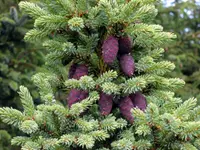
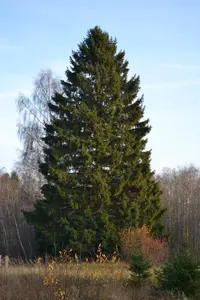
Black spruce, Picea mariana, is a slow-growing evergreen conifer native to cold bogs and boreal forests of North America. It forms a narrow, spire-like crown with short, bluish green needles and small, rounded cones that often stay on the tree for many years.
In gardens, it is valued for its hardiness, wind tolerance, and ability to handle poor, wet, or acidic soils better than many other spruces. Growth is generally compact and dense, which suits naturalistic plantings and windbreaks.
Those who want to care for Black Spruce should note that it prefers full sun, cool climates, consistent moisture, and well-drained but not dry soil, especially during establishment.

Care Difficulty
Moderate Care

Light Preference
Full Sun

Water Requirements
Regular Water

Temperature Preference
Cold Hardy

Hardiness Zone
1–5

Soil Texture
Loamy, Silty, Peaty

Soil pH
Strongly acidic (4.5–5.5), Acidic (5.5–6.5)

Soil Drainage
Moist but well-drained

Fertilization
Minimal (feed rarely)
Scan your plant to receive care tips personalized for your specific plant
Available on iOS and Android
Picea mariana prefers full sun in cool climates but tolerates some light shade, especially in warmer regions.
Picea mariana is adapted to cool, moist conditions but still needs well-drained soil to avoid root problems.
This species is highly cold-tolerant but grows best within a moderate cool temperature range.
This boreal conifer prefers cool, moderately humid air but tolerates some seasonal variation.
This species prefers cool, moist, acidic soil with strong aeration and steady drainage.
This species can be grown in containers for several years, mainly as a small specimen or bonsai outdoors.
This northern conifer needs only light feeding in typical garden soils, so focus on modest, slow nutrient support.
Picea mariana benefits from minimal, careful pruning aimed at health and structural clarity rather than heavy shaping.
Black spruce is usually grown in the ground, so transplanting young trees correctly is more important than frequent repotting.
This species is most often propagated from seed, with rooting from cuttings used mainly in specialized nursery production.
This cold-hardy conifer tolerates very low temperatures and usually needs little special winter care in the ground.

Plant Health Check
Not sure what's wrong with your plant? Check your plant's health inside the app.
Black spruce often grows on raised peat hummocks in bogs, where its shallow roots access slightly drier, more oxygenated moss layers than in the surrounding saturated peat.
Many black spruce cones are semi-serotinous, meaning they can stay closed for years and then open widely after exposure to the high heat of forest fires, releasing seeds into freshly cleared sites.
This species forms part of the northern tree line in North America and can survive winter temperatures well below −40°F, partly thanks to its small, resinous needles and compact crown shape that reduce water loss and frost damage.

Black spruce is the primary source tree for some classic Canadian black spruce essential oils, obtained from its needles and twigs and studied for their distinctive resinous aroma and complex terpene composition, which varies with climate and site conditions.
This species is naturally slow-growing, usually adding about 15–30 cm per year under good conditions. Growth is slower in poor, dry, or compacted soils and slightly faster in cool, moist, well-drained sites.
Keep your plants happy and healthy with plant identification, disease detection, and easy care guidance.