Alpine Tarwood Care (Halocarpus biformis)

Also known as: Pink Pine, Yellow Pine
Alpine Tarwood

About Alpine Tarwood

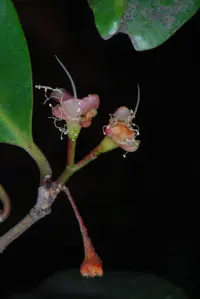
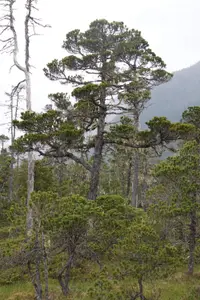
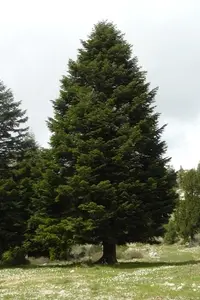
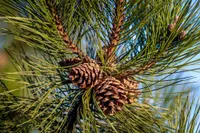
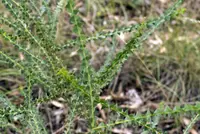
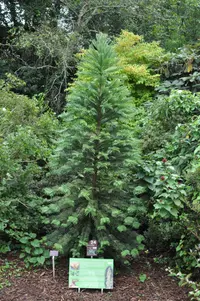
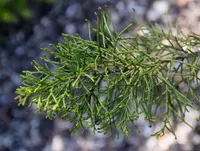
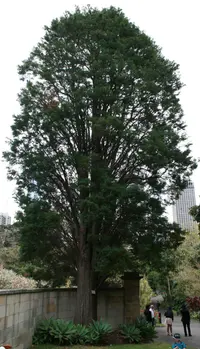
Alpine tarwood, Halocarpus biformis, is a slow-growing conifer native to the cool, high-rainfall regions of New Zealand. It usually forms a small tree with dense, fine foliage and a naturally tidy outline. The foliage starts with soft, juvenile leaves and gradually shifts to tiny scale-like leaves as the plant matures. Bark becomes rough and textured over time, giving older specimens a rugged, compact look. In cultivation, it prefers cool, moist, well-drained conditions and benefits from shelter from strong, drying winds. Its slow growth and tolerance of poor, acidic soils influence how to care for Alpine Tarwood, making it better suited to patient growers and stable garden sites.

Main Plant Requirements

Care Difficulty

Moderate Care

Light Preference

Full Sun

Water Requirements

Moderate Water

Temperature Preference

Cool Climate

Hardiness Zone

8–10

Soil Texture

Sandy, Loamy, Peaty

Soil pH

Strongly acidic (4.5–5.5), Acidic (5.5–6.5)

Soil Drainage

Moist but well-drained

Fertilization

Minimal (feed rarely)

Get Personalized Care Plan

Scan your plant to receive care tips personalized for your specific plant

Available on iOS and Android

How to Care for the Alpine Tarwood

This New Zealand conifer prefers cool, bright sites that mimic open forest or subalpine edges.

  • Provide 4–6 hours of direct morning sun with light afternoon shade, or bright filtered light all day, to prevent foliage scorch in hot summers.
  • It tolerates partial shade (down to about 2–3 hours of direct light), but growth becomes looser and slower if light is too low.
  • In hotter regions, protect Alpine Tarwood from strong afternoon sun, especially in late spring and summer, to avoid bronzing or dry tips.

This species prefers consistently moist but not saturated soil, especially while establishing in the landscape.

  • Allow the top 3–5 cm of soil to dry slightly between waterings, then water deeply so moisture reaches the full root zone, encouraging downward root growth.
  • In cool, rainy seasons, reduce supplemental watering and rely more on natural rainfall, ensuring the site drains freely and no puddles remain after 1–2 hours.
  • Signs of excess water include yellowing foliage and soft shoots, while dull, limp tips and slow growth suggest the Halocarpus biformis is staying too dry.

This hardy conifer is adapted to cool, maritime climates with mild summers and cold, but not extreme, winters.

  • Optimal growth occurs around 50–70°F (10–21°C), where the plant maintains steady extension growth without heat stress.
  • Mature plants tolerate brief drops to about 10–15°F (-12 to -9°C); young specimens benefit from protection during the first 1–2 winters in colder areas.
  • It handles summer highs to about 80–85°F (27–29°C) if soil moisture is stable, but prolonged heat or hot, drying winds can cause tip browning.

This species tolerates a wide humidity range but stays healthiest with moderate ambient moisture.

  • Aim for 40–60% humidity; typical indoor levels in most homes are acceptable for Alpine Tarwood.
  • Dry air is usually tolerated, but prolonged exposure may cause browning at needle tips and slower growth.
  • Increase humidity only in very dry homes by grouping plants or placing a shallow pebble tray with water nearby, avoiding misting the foliage.

Halocarpus biformis prefers free-draining, slightly acidic, sandy or loamy soil that does not stay wet.

  • Use a mix of 50–60% sandy loam with 20–30% fine bark and 10–20% coarse grit or perlite for strong drainage and aeration.
  • Target pH around 5.5–6.5; avoid strongly alkaline substrates that can limit nutrient uptake and weaken growth.
  • In heavy or clay soils, build a raised bed and blend in coarse sand and fine gravel to prevent waterlogging around the root zone.
  • Avoid compacted, peaty mixes that hold water for long periods, as persistently wet conditions promote root rot and loss of fine feeder roots.

This species can be grown long term in containers if the pot and substrate prioritize drainage and stability.

  • Choose a tall, heavy container to counteract wind rock and provide a deep column of substrate for the tap-leaning root system.
  • Select thick-walled terracotta or similar porous material to slightly increase evaporation and prevent prolonged saturation after rain.
  • Elevate the pot on feet or bricks so drainage holes never sit in standing water, reducing the risk of chronic root-zone stagnation.

Halocarpus biformis is a slow-growing conifer that needs only modest feeding in most garden soils.

  • Use a balanced slow-release fertilizer (for example 8-8-8 or 10-10-10) or a light top-dressing of compost in early spring.
  • Apply once each growing season for established plants; young container-grown trees may benefit from 2 light feedings.
  • Dilute liquid feeds to 1/2 strength and apply to moist soil to avoid root burn.
  • Stop feeding Alpine Tarwood in late summer so new growth hardens before winter.

Halocarpus biformis needs minimal pruning and is usually maintained by light, corrective cuts.

  • Carry out any shaping or corrective work in late winter to early spring, before active growth.
  • Remove dead, diseased, or rubbing branches first, then thin crowded interior shoots to maintain structure.
  • Use clean, sharp bypass pruners or loppers and make cuts just outside the branch collar.
  • Limit pruning to small diameter growth to preserve the natural conical habit and avoid large wounds.

This species is usually grown in the ground; transplanting young plants carefully is more important than frequent repotting.

  • Transplant in early spring or early autumn when soil is cool and moist, avoiding heat or deep frost.
  • Look for signs such as roots circling the container, water running off quickly, or stalled growth before moving a plant.
  • Shift container plants only every 2–3 years, stepping up 1 pot size and using a free-draining, slightly acidic mix.
  • Minimize root stress by watering well before and after planting, keeping the root ball intact, and mulching the root zone lightly.

Propagation of Halocarpus biformis is possible but slow and often better suited to patient or experienced growers.

  • Sow fresh seeds in late winter to early spring in a cool, free-draining substrate, as germination can be slow and uneven.
  • Provide bright light, 55–65°F, and consistent but not waterlogged moisture during germination and early growth.
  • Take semi-hardwood cuttings in late summer, use rooting hormone, and place in a humid, well-aerated medium.
  • Maintain gentle bottom warmth and high humidity for cuttings, while ensuring good air circulation to limit fungal problems.

This conifer is generally cold hardy in suitable climates and needs limited winter attention once established.

  • In regions with severe freezes, add a 5–8 cm mulch layer around the root zone, keeping it away from the trunk.
  • Shelter young plants from drying winter winds using windbreak fabric or temporary screens.
  • For container plants in colder zones, move pots into an unheated but frost-free garage or porch to protect roots.

Care Tips

Wind-hardening seedlings

If raising young plants in containers, gradually expose them to stronger wind over 1–2 weeks before planting out, as this encourages sturdier stems and reduces wind burn in exposed sites.

Shelterbelt positioning

In very windy or coastal gardens, plant this species just inside a taller, more wind-tolerant shelterbelt so it gains protection during establishment but still receives good light and air movement.

Minimal root disturbance

Use deep containers or grow bags and slide plants out with the root ball intact at planting time, since this species resents major root disturbance and establishes more reliably when the root system is kept compact and undisturbed.

Understory companion use

Combine it with low, shallow-rooted groundcovers rather than vigorous shrubs, which limits root competition and allows better moisture and nutrient access around the drip line.

Long-term structural checks

Inspect the main leader and primary branches each year and lightly correct any crossing or rubbing branches early, helping to maintain a stable, upright framework that copes better with snow load and seasonal storms when growing Alpine Tarwood.

Common Pests and Diseases

Sooty mold

This disease appears as a black, sooty coating on needles and small twigs, usually developing on honeydew secreted by sap-feeding insects such as scale or adelgids. Symptoms include reduced photosynthesis and a generally dull, dirty appearance of the foliage.

Solution

Control the underlying sap-feeding insects with targeted treatments such as horticultural oil during their vulnerable stages, then gently wash affected foliage with water to remove the mold. Prune and dispose of heavily coated twigs to improve light penetration and airflow, which helps new clean growth develop and supports long-term Halocarpus biformis plant care.

Scale insects

These insects attach to young stems and foliage, appearing as small, immobile bumps that suck sap and can cause yellowing, stunting, and dieback of fine branchlets. This pest is often associated with honeydew deposits that attract sooty mold.

Solution

Scrape or wipe off light infestations by hand and prune heavily infested twigs, disposing of the material away from other conifers. For larger problems, apply a light horticultural oil spray in calm, cool conditions to smother active stages, and repeat as needed while monitoring for beneficial insects such as ladybird beetles.

Aphids

These insects may cluster on tender new growth and undersides of foliage, sucking sap and causing distortion, reduced vigor, and sticky honeydew on the plant surface. This pest can indirectly encourage sooty mold development in dense, sheltered plantings.

Solution

Dislodge colonies with a firm stream of water and clip off badly distorted shoot tips. If populations persist, use insecticidal soap or a light horticultural oil, applied thoroughly to new growth in the early morning or late afternoon to reduce stress on the plant and avoid leaf scorch.

Needle blight

This disease causes browning and premature shedding of older needles, often beginning in the interior of the plant where humidity is higher and airflow is poor. Symptoms include thin or bare lower branches while outer tips may remain green for some time.

Solution

Prune out affected branches during dry weather, disinfecting tools between cuts, and remove fallen needles from around the base to reduce fungal spore levels. Improve spacing and airflow, avoid overhead irrigation, and if needed use a registered conifer fungicide according to label directions during wet periods when new infections are likely.

Armillaria root disease

This disease, caused by Armillaria fungi, leads to gradual decline, yellowing foliage, branch dieback, and eventual death in poorly drained or previously forested sites where infected stumps or roots remain. Symptoms include resin bleeding at the base, loose bark, and white fungal sheets under the bark near the root collar.

Solution

Remove severely affected plants including as much root material as practical and avoid replanting H. biformis or other susceptible conifers in the same spot. Improve drainage, avoid overwatering, and choose new planting sites away from old stumps or known Armillaria pockets to reduce infection risk when trying to grow Halocarpus biformis.

Interesting Facts

New Zealand alpine conifer

This species is an endemic conifer of New Zealand, naturally occurring in upland and subalpine environments on the South Island and Stewart Island, often forming low, shrubby stands above the tree line.

Remarkably dense wood

It produces very dense, fine-textured timber historically valued in New Zealand for turnery, flooring, and specialty work, due to its hardness, close grain, and ability to take a smooth finish.

Adapted to cold winds

In exposed alpine sites the plant often grows as a compact, wind-sheared shrub rather than a tall tree, an adaptation that reduces mechanical stress and water loss in harsh, windy conditions.

Botan icon

Did you know?

Genetic and anatomical studies place this species within the podocarp family (Podocarpaceae), where it helps illustrate the ancient Gondwanan origin and long evolutionary history of southern hemisphere conifers.

FAQs about Alpine Tarwood

This species is an evergreen conifer, retaining foliage year-round rather than dropping leaves seasonally. Needle-like leaves may change slightly in tone with age and exposure, but the plant keeps a persistent green canopy in suitable conditions.

Grow Healthy Plants with Botan Care

Keep your plants happy and healthy with plant identification, disease detection, and easy care guidance.

Botan plant care app — identify plants on mobile

Explore More Plants